Published: 05 October 2026
On paper, Bangladesh has a relatively strong legal framework for the right to information. The Right to Information Act, 2009 guarantees citizens’ right to seek information from public authorities, and Bangladesh ranks 27th among 141 countries in the Global RTI Rating, which assesses the strength of national legal frameworks for access to information. Yet a right guaranteed by law does not automatically become a right exercised in everyday life.
Seventeen years after the enactment of the RTI Act, a more difficult question remains: How accessible is information in practice, and how confident are citizens in demanding it?
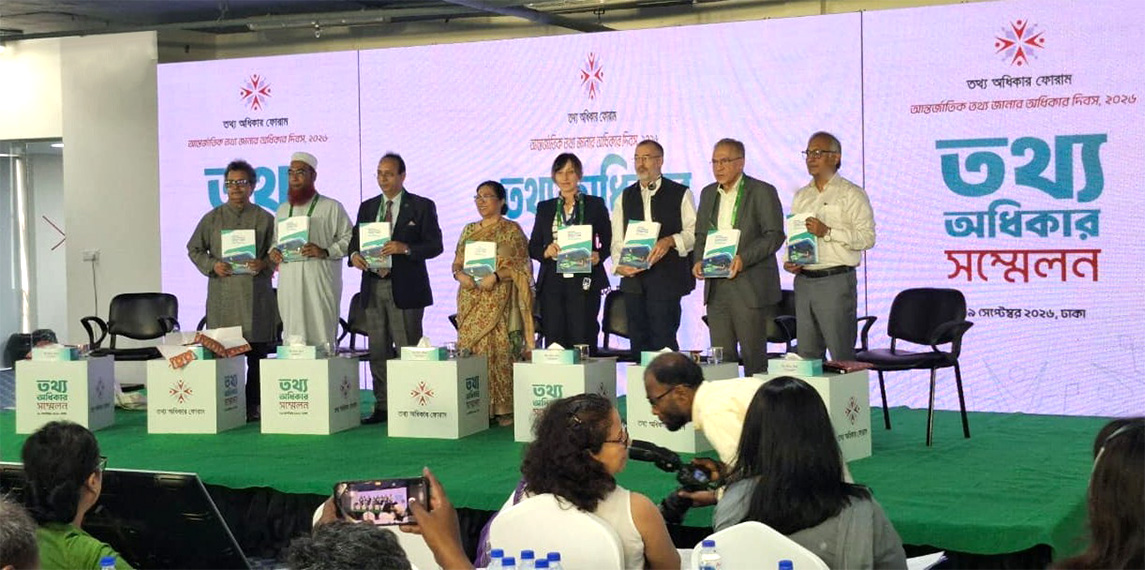
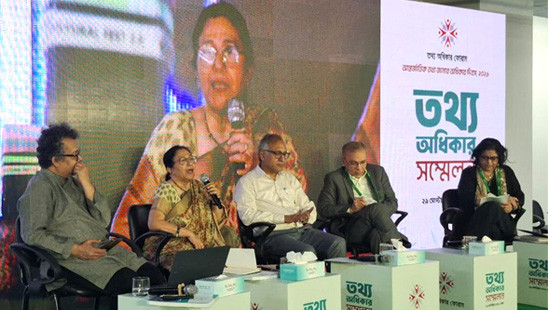
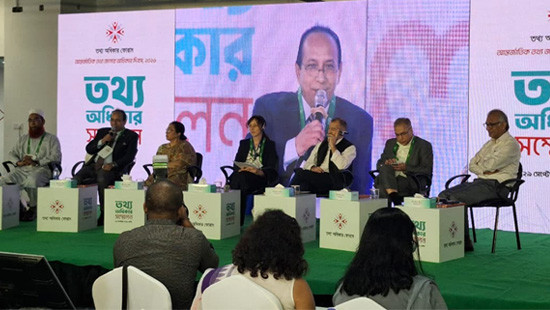
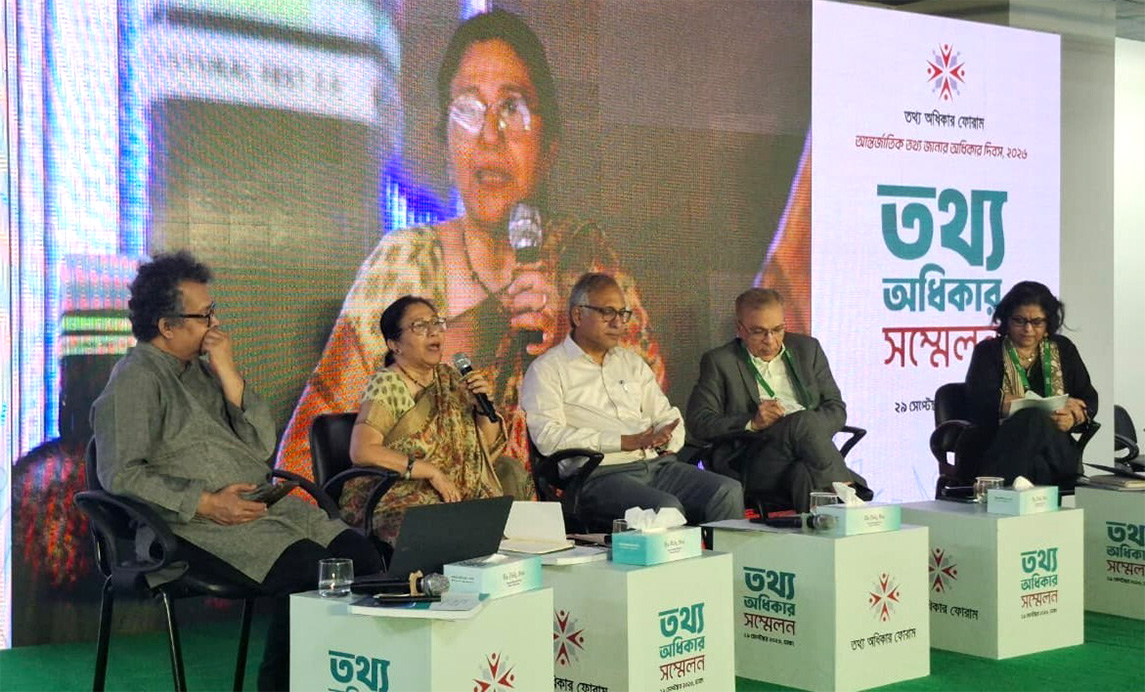
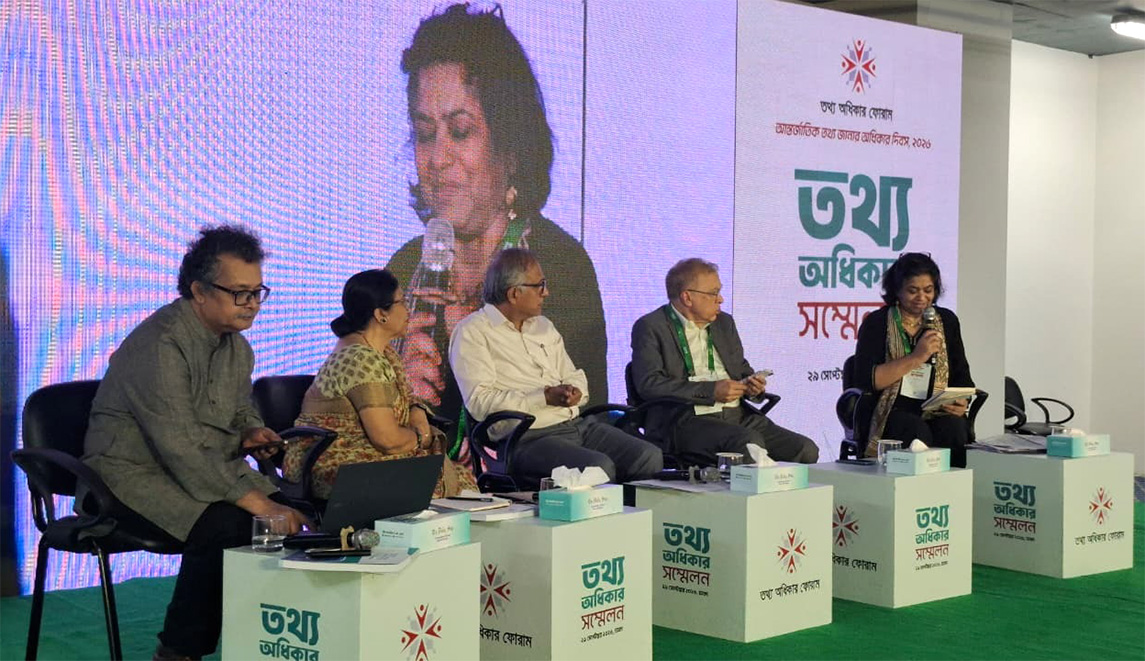
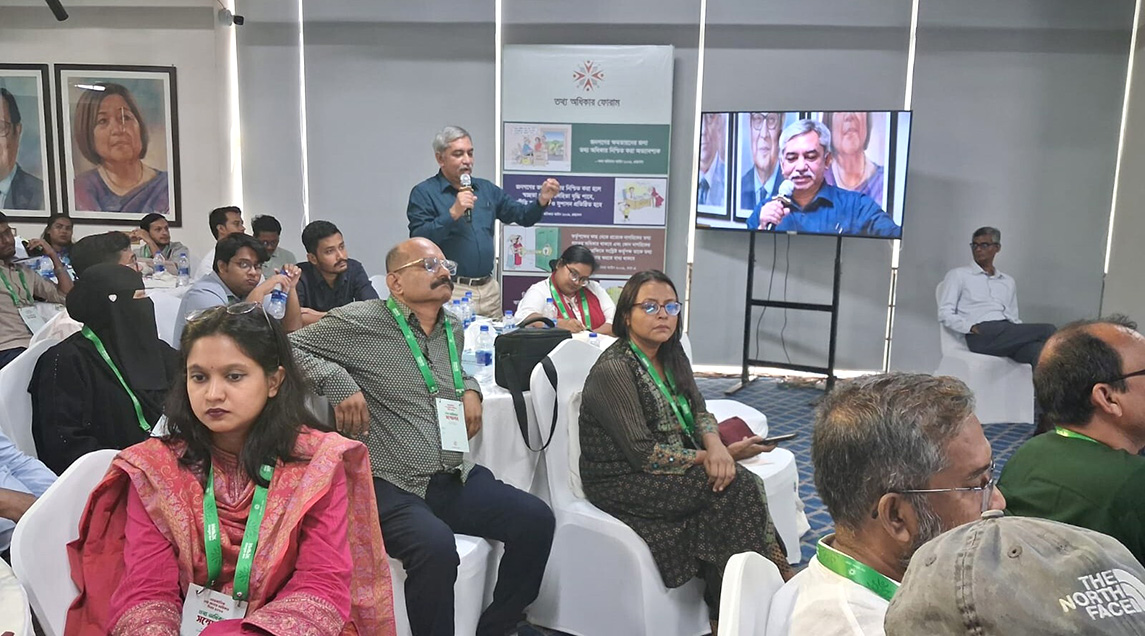
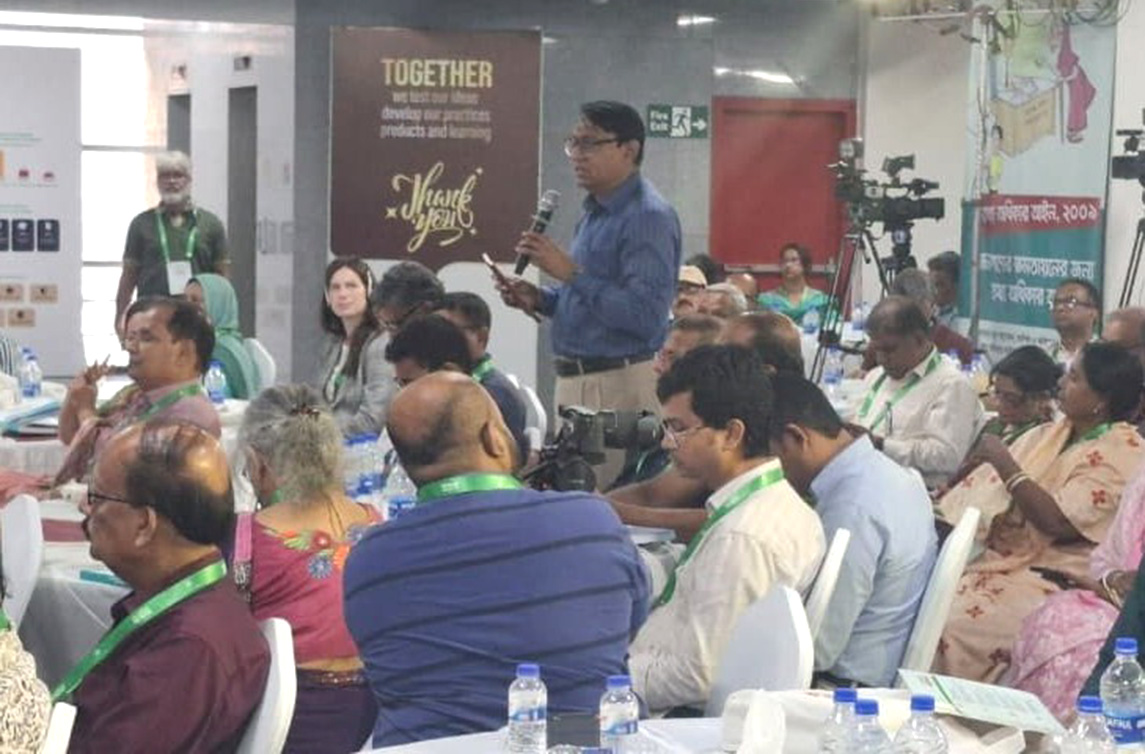
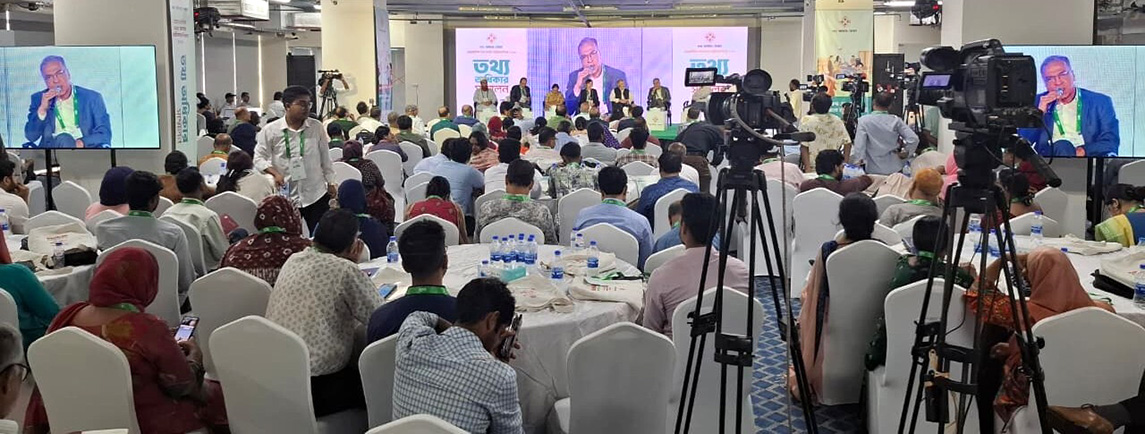
These questions came into sharp focus at the Right to Information Conference held in Dhaka on 29 September 2026, organised by the RTI Forum to mark the International Day for Universal Access to Information, with Transparency International Bangladesh (TIB) as an importanta key stakeholder. More than 200 NGO workers, policy experts, academics, researchers and analysts attended the conference.
The conference’s second session disclosed the findings of the Bangladesh RTI Survey 2025: Reality Check and Pathways for Breakthrough, which offered a revealing picture. Lead researcher Dr Ananya Raihan said 72.4 percent of people have a demand for information, yet only 4.6 percent actively apply for it, Respondents cited a lack of awareness and complex procedures as the main barriers. General awareness of the RTI Act stands at 10.5 percent, while just over 2 percent know the correct application procedure.
The problem, therefore, is not simply whether Bangladesh has an RTI law. It is whether citizens feel able and willing to use it.
Why citizens are still reluctant to use the law
RTI Forum Convener and Manusher Jonno Foundation Executive Director Shaheen Anam placed the survey findings in this wider context.She noted that awareness has risen from around 6 percent in 2019 to about 10 percent, but argued that this progress is inadequate after 17 years. More strikingly, 64 percent of designated officers have never received an RTI application.
That points to a fundamental weakness on the demand side. Where NGOs have actively encouraged people to use RTI, marginalised communities have gained confidence in seeking information. But attempts to mainstream RTI into routine development work, without dedicated projects, have been less successful.
Behind this limited demand lies a deeper problem, a culture of secrecy and fear. Citizens often witness irregularities but do not ask how or why they happened. Parents may fear consequences for their children, NGOs may worry about administrative repercussions, and even officials may hesitate to provide information in writing despite verbally agreeing to do so. Yet, as Anam stressed, seeking information under a state law is not an unlawful act. A much larger number of applications, she said, could gradually challenge this culture of secrecy.
She also called for access to reach communities that face greater barriers to information, including Indigenous peoples and other marginalised groups. The survey findings, she argued, should not remain a matter of discussion alone but should inform the next stage of RTI implementation.
The institutional barriers
TIB Executive Director Dr Iftekharuzzaman shifted the focus from individual reluctance to the broader institutional environment. Seventeen years on, Bangladesh has still not reached the expected level of implementation. The challenge, he suggested, lies in the wider bureaucratic, political and institutional ecosystem surrounding access to information.
For him, the task now is not simply to measure awareness but to identify institutional weaknesses and develop a strategy for overcoming them. He also called for cultural and behavioural change, along with legal reform to bring political parties within the scope of the RTI Act. At the same time, he credited NGOs and the media for much of the progress in public awareness.
The institutional question also puts the Information Commission at the centre of the debate. If the institution responsible for enforcing the right lacks independence, transparent appointments and financial autonomy, the law alone cannot ensure meaningful access.
From access to protection
Barrister Sarah Hossain highlighted another dimension of the problem. People may know they have a right to ask questions, but fear what may happen after they do so.
The survey suggests that marginalised, poor and less powerful groups are particularly unlikely to use RTI. For organisations, the risks can be even greater: An NGO raising questions may fear administrative harassment or reprisals against its staff or beneficiaries. This creates a gap between having a legal right and being able to exercise that right safely.
Hossain also pointed to the limited capacity of designated officers. Besides the 64 percent who had never received an RTI application, the survey found that only 49 percent had received relevant training. Such figures suggest that implementation requires capacity on both sides: Citizens need to know how to seek information, and officials need to know how to respond.
The enforcement gap is equally important. Hossain noted that public authorities did not comply with 38 percent of Information Commission decisions. That raises a basic question. What happens when even a favourable decision does not deliver the information? She argued for stronger legal and paralegal support so citizens and organisations can pursue remedies when necessary.
Making the right real
The conference therefore exposed a problem that legislation alone cannot solve. Bangladesh has an RTI law, designated officers and an institutional framework, but awareness, demand, official capacity, institutional independence and protection for information-seekers remain interconnected challenges.
This is precisely where TIB’s long-standing advocacy becomes relevant. TIB has observed Right to Know Day since 2006 and has consistently advocated for effective access to information, an independent Information Commission and reform of the RTI Act. Its RTI fairs, training programmes and national and field-level campaigns have sought to move the right beyond the statute book and into citizens’ everyday lives.
The conference ultimately underscored a simple but consequential poin. The true test of the right to information is not only the strength of the law, but whether ordinary citizens can use it to ask questions and receive meaningful answers without fear.