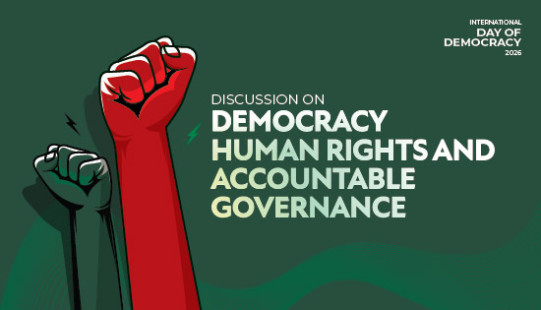
Published: 17 September 2026
Six months after Bangladesh's thirteenth national parliamentary election and referendum on February 12, 2026, the country is still working out what accountable governance means in practice. The election followed the anti-discrimination uprising of August 2024, which ended fifteen years of authoritarian rule, and the reform commissions the interim government subsequently formed on the constitution, the electoral process, the judiciary, public administration, the police, and anti-corruption. Their recommendations became the July National Charter, which sets out 84 reform proposals and a seven-point pledge for their implementation, signed by the Bangladesh Nationalist Party (BNP), Bangladesh Jamaat-e-Islami, and more than twenty other parties and alliances, with the National Citizen Party (NCP) adding its name after the election.
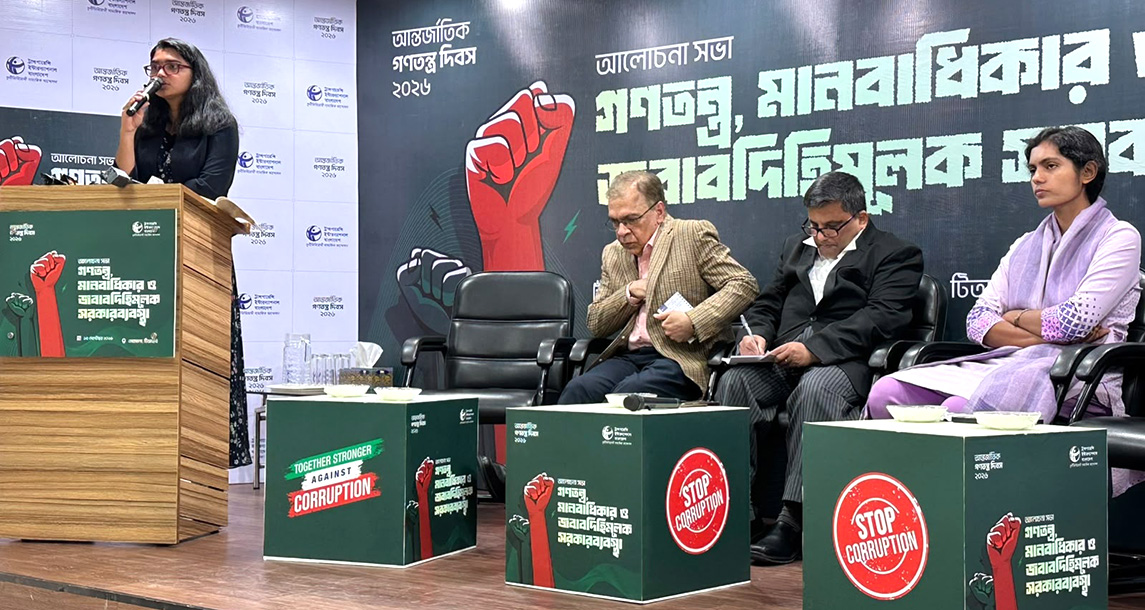
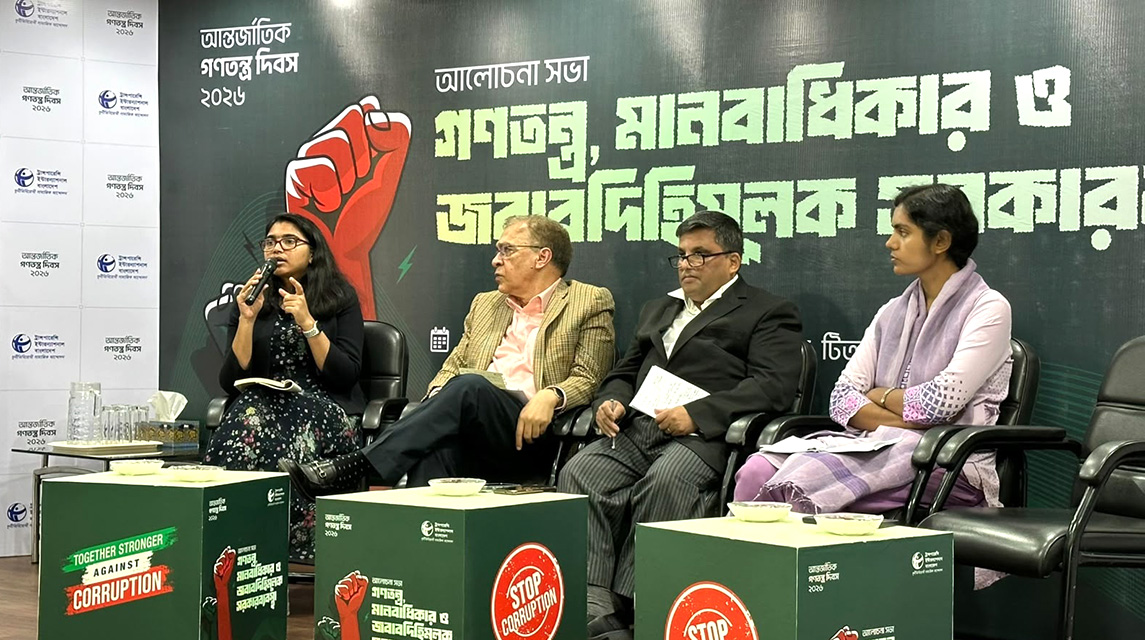
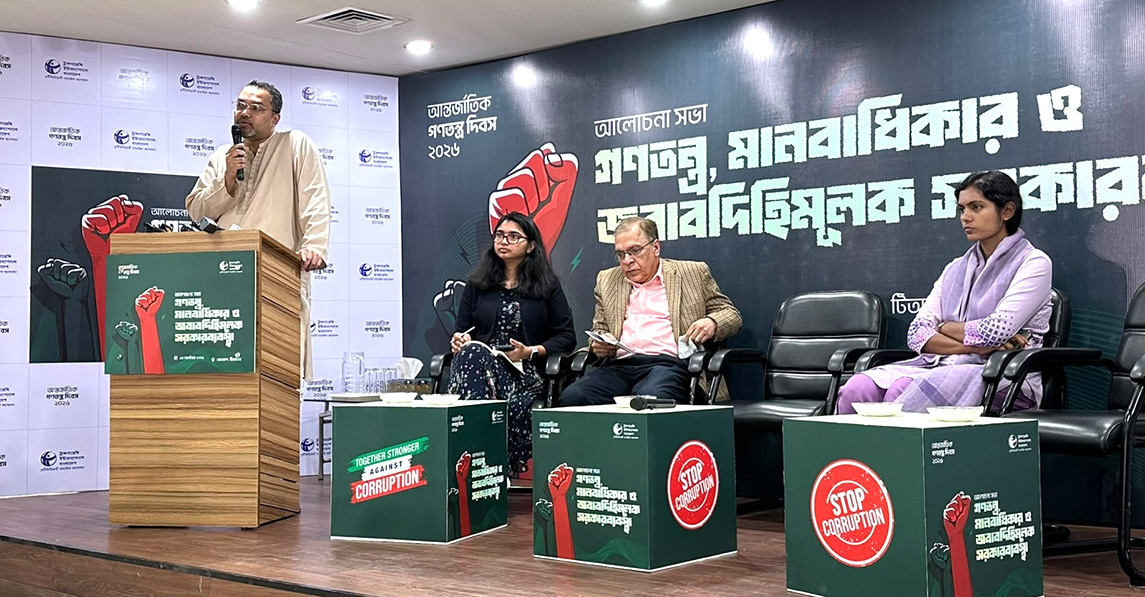
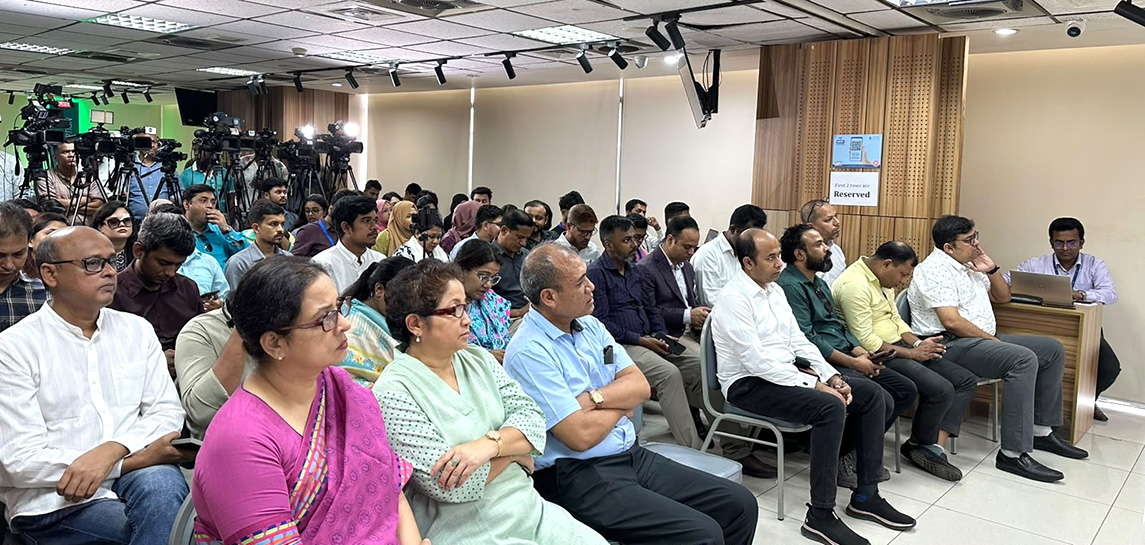
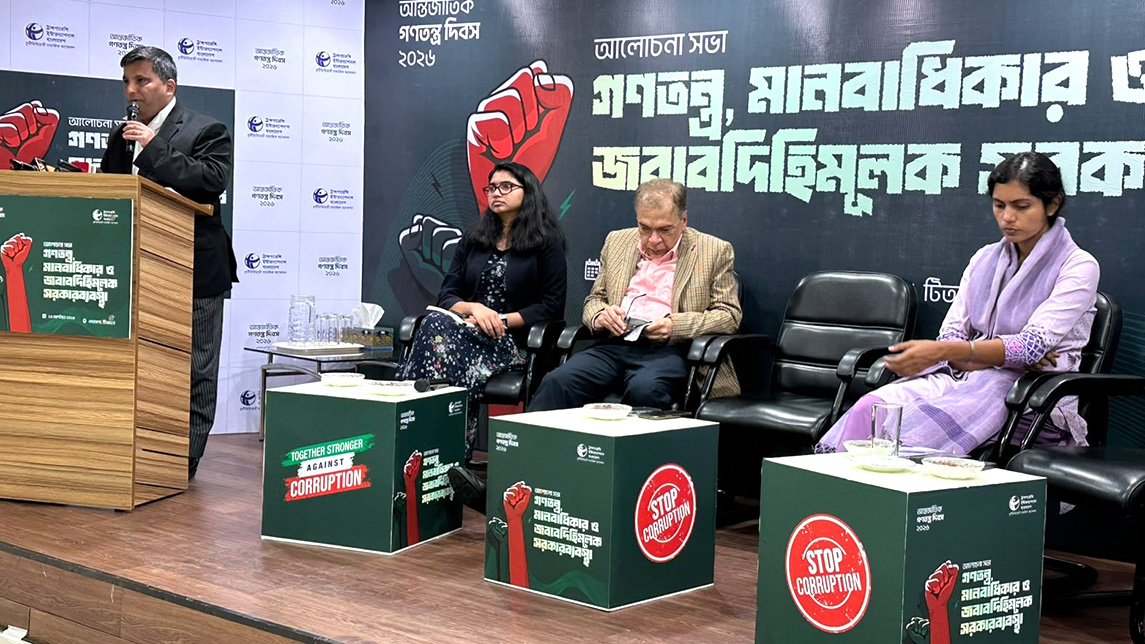
Whether a new political framework is needed to bring about that kind of fundamental change is now a question for the people of Bangladesh to decide. This was the core message from speakers at a discussion organized by Transparency International Bangladesh (TIB) on the occasion of ‘International Democracy Day 2026,’ held under the title "Democracy, Human Rights, and Accountable Governance."
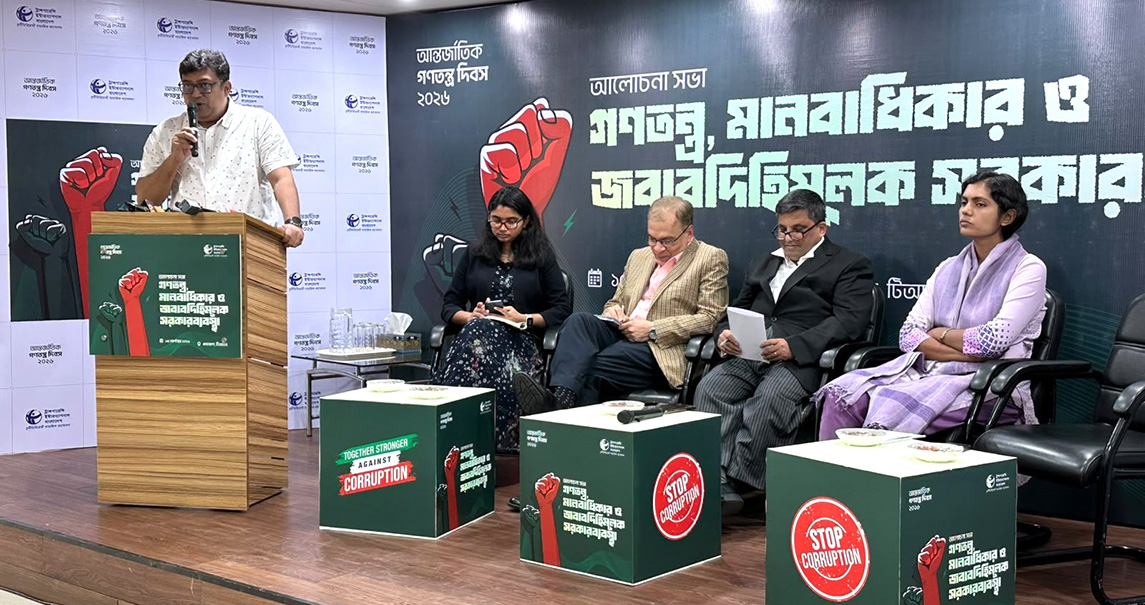
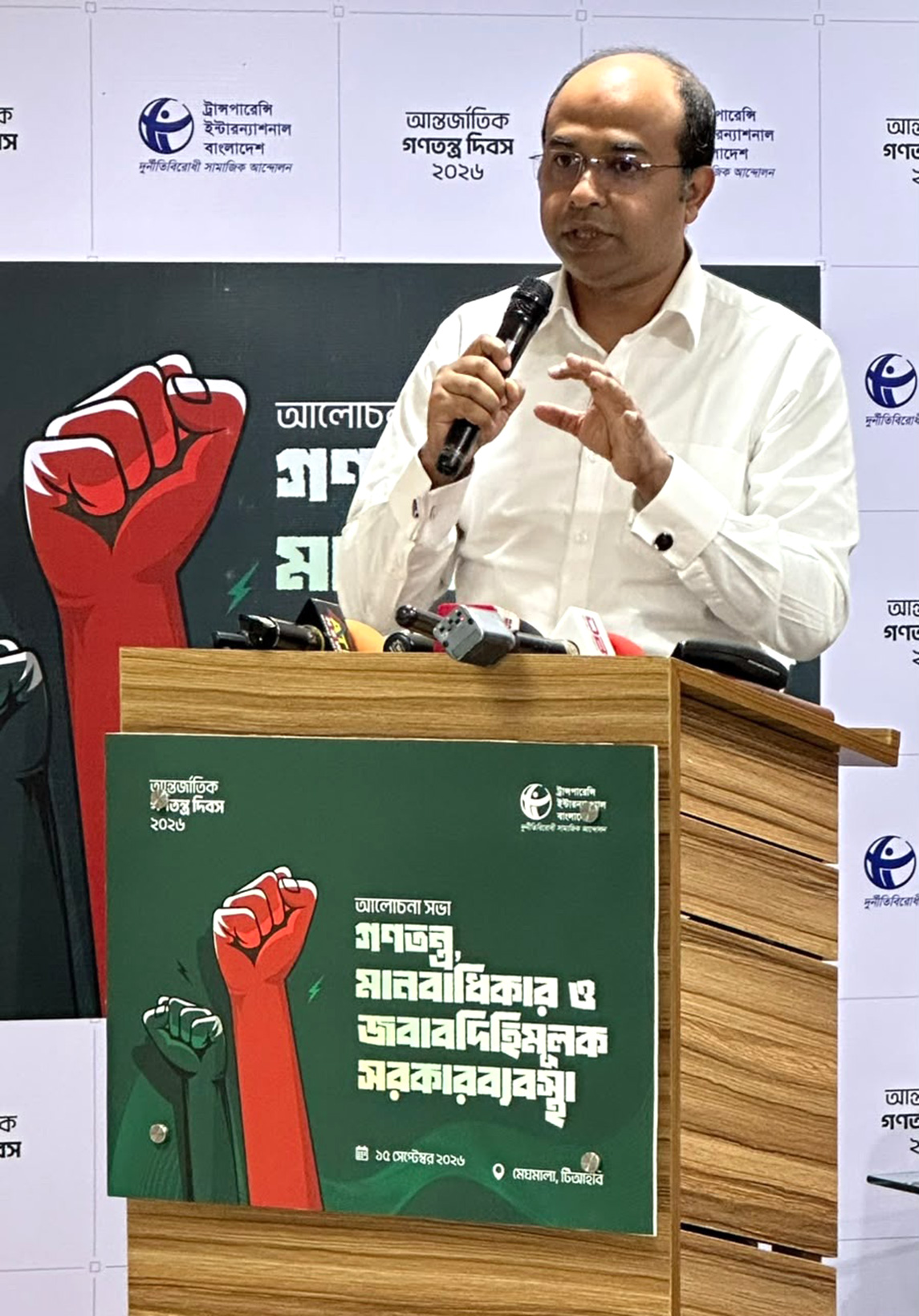
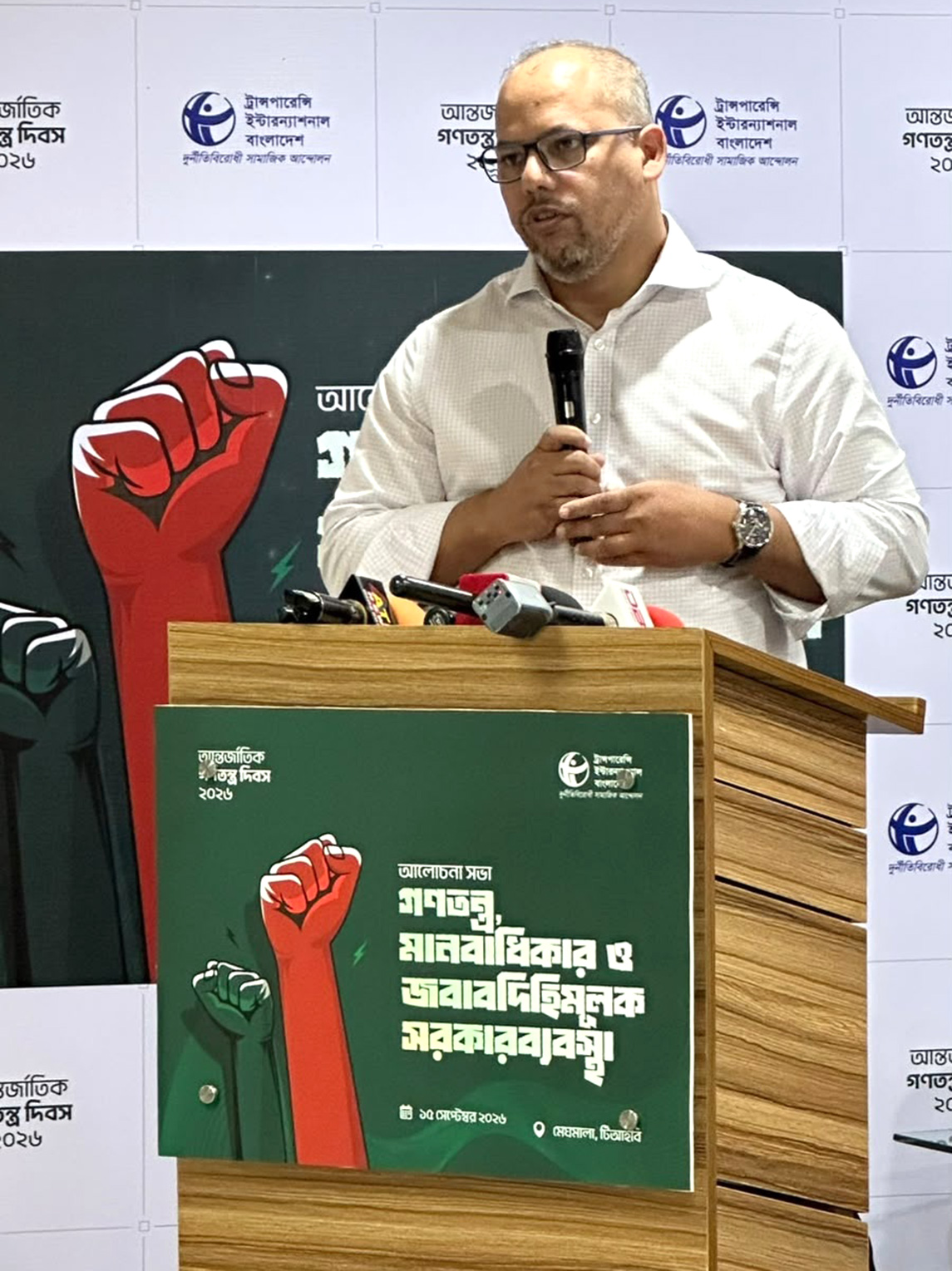
Dr. Iftekharuzzaman, TIB's Executive Director, opened with what he called the real operating system of Bangladeshi politics, "money, muscle power, religion, patriarchy, and majoritarianism,” and urged the country to move beyond winner-take-all governance altogether. His more specific warning was about sequencing. The government has already folded the ordinances that expand executive power into permanent law, while the ordinances meant to protect judicial independence from that same executive remain unreinstated. He called for those judicial ordinances to be reinstated immediately and for the laws on enforced disappearance, cyber security, and law enforcement units to be comprehensively revised, not relabeled.
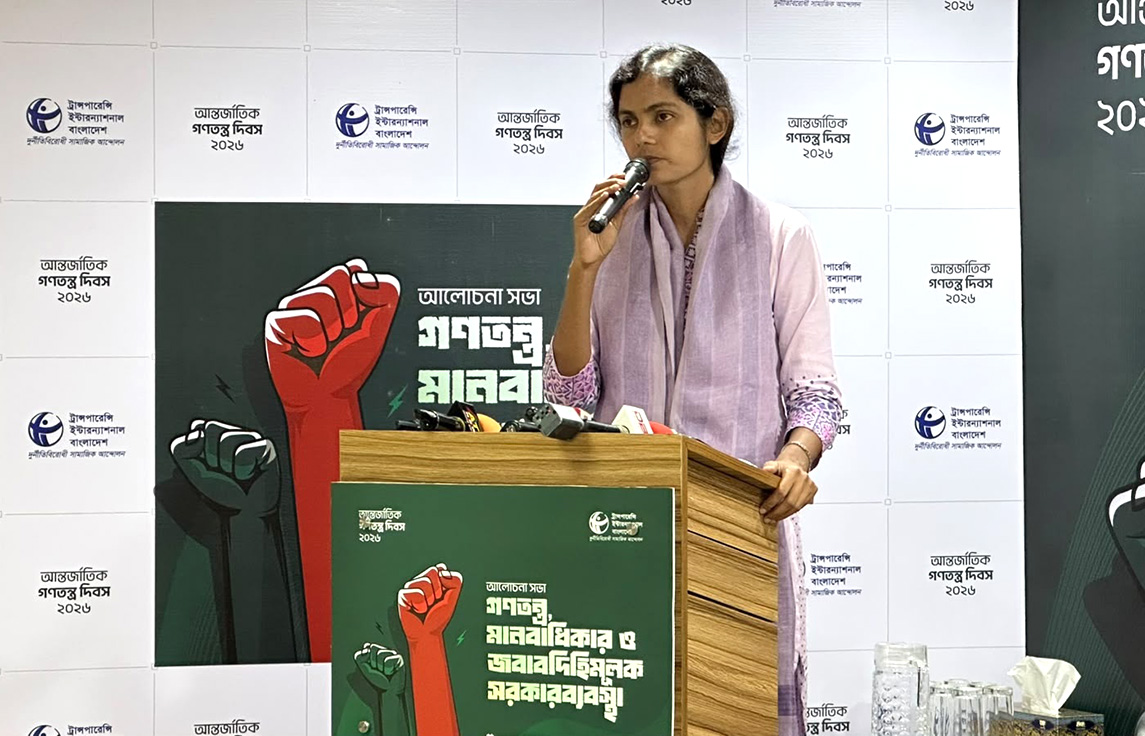
Mahdi Amin, adviser to the prime minister, offered the government's answer. "The source of the present government's power is the people of this country," he said, pointing to the popular mandate behind it. He described a zero-tolerance policy on enforced disappearances and said the government welcomes reasonable criticism as it works toward accountable governance.
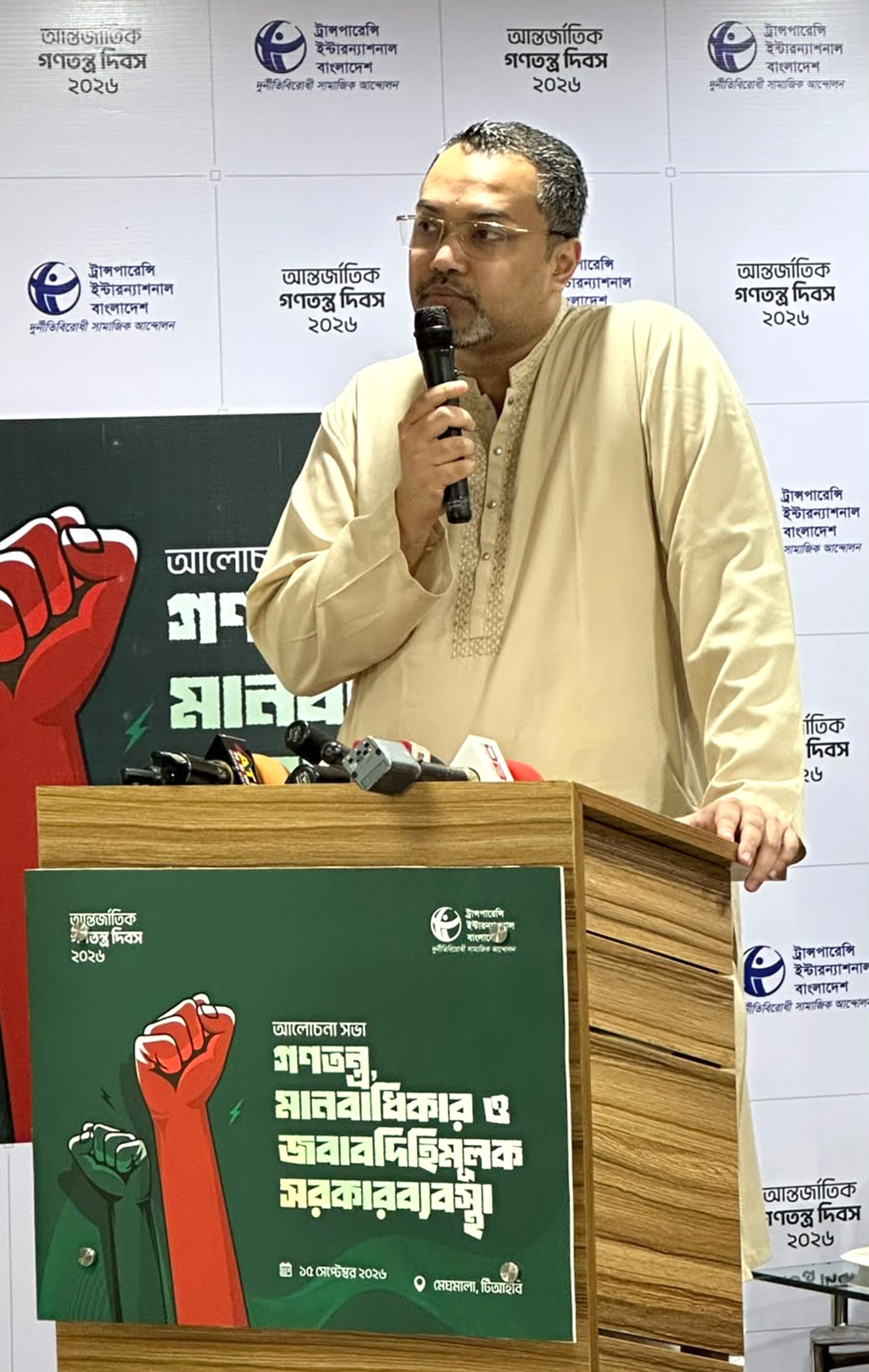
Barrister Muhammad Nawshad Zamir, who chairs a parliamentary standing committee, argued that the deeper reform Bangladesh needs is not only constitutional but also attitudinal: choosing people for public roles because they are capable rather than because they are loyal. After decades in which party loyalty has decided almost every appointment that matters, it is a modest-sounding demand with large implications.
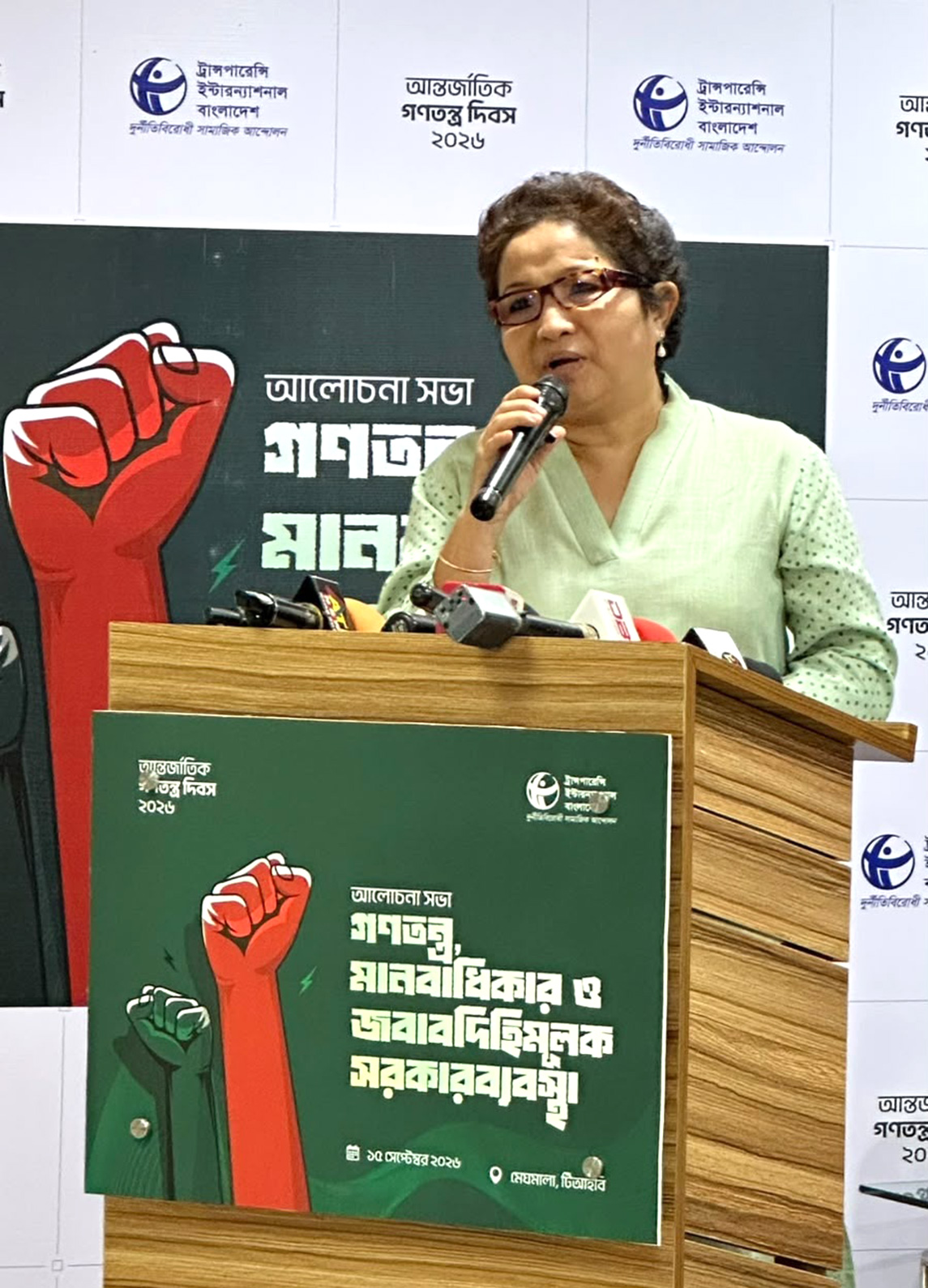
Dr. Manisha Chakraborty of the Bangladesh Socialist Party brought numbers rather than slogans. She stated that businesspeople make up roughly 60 percent of the current parliament, which is why more bills serve business interests than public ones.
Tasnim Jara, the physician turned politician, pointed to a newer and less visible threat: organized disinformation campaigns on social media that target young people specifically, a form of digital violence and political bullying that does not need a court order to silence someone.
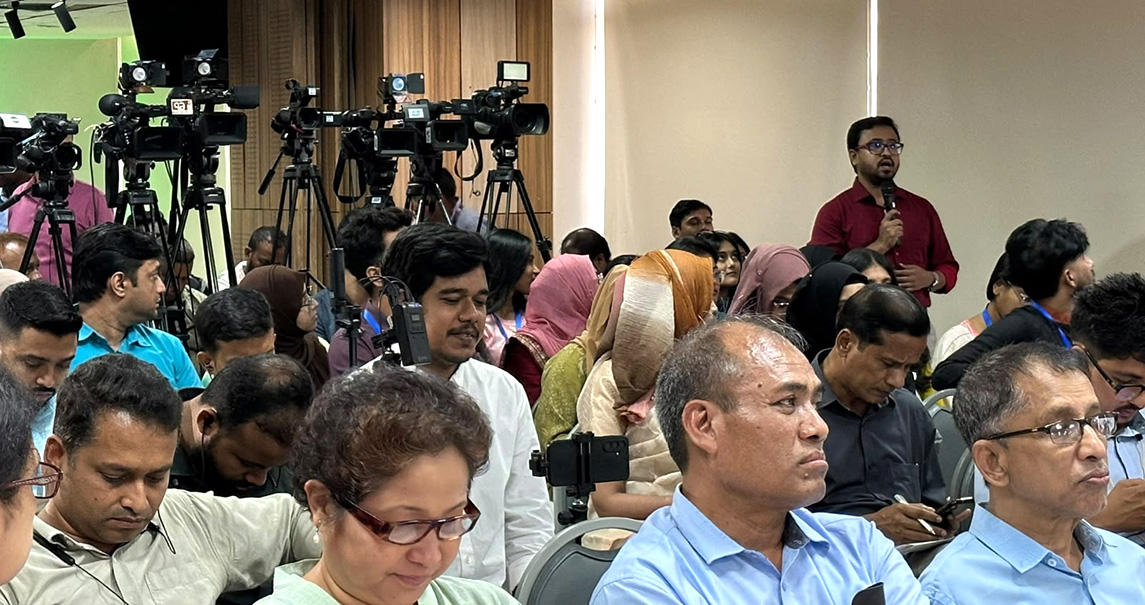
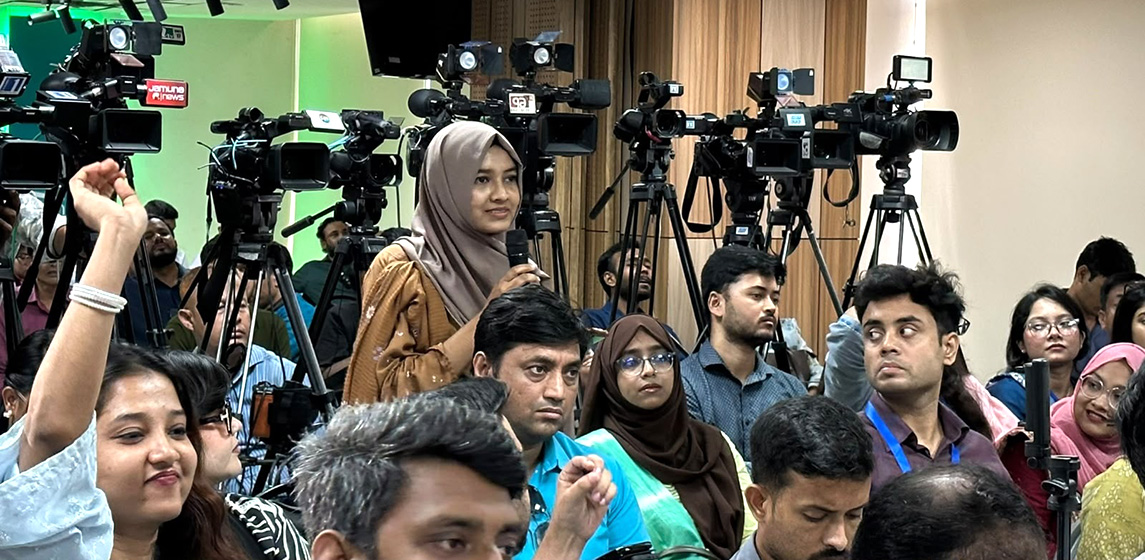
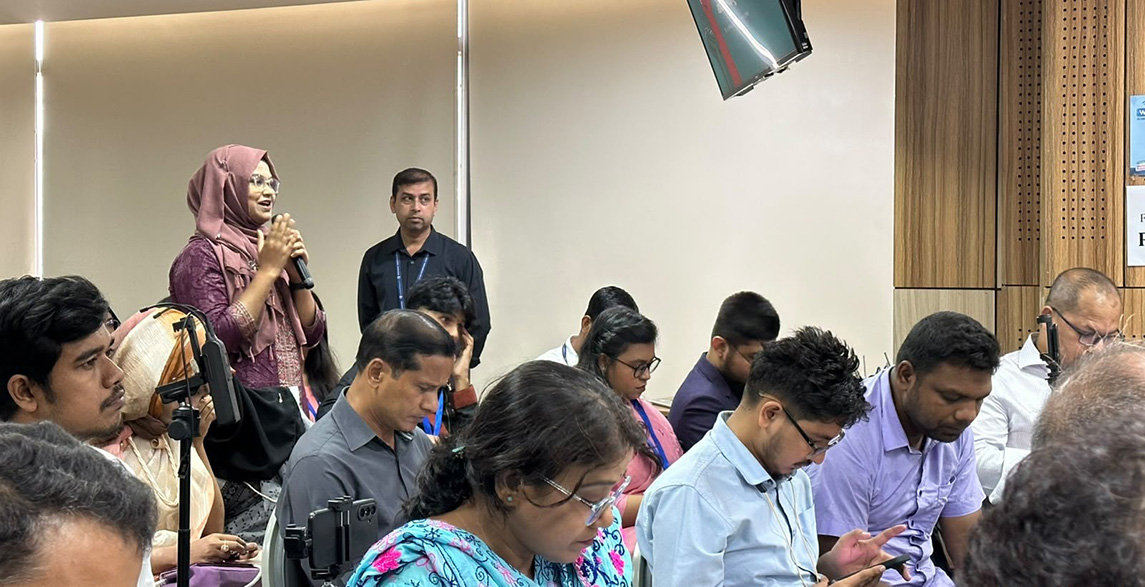
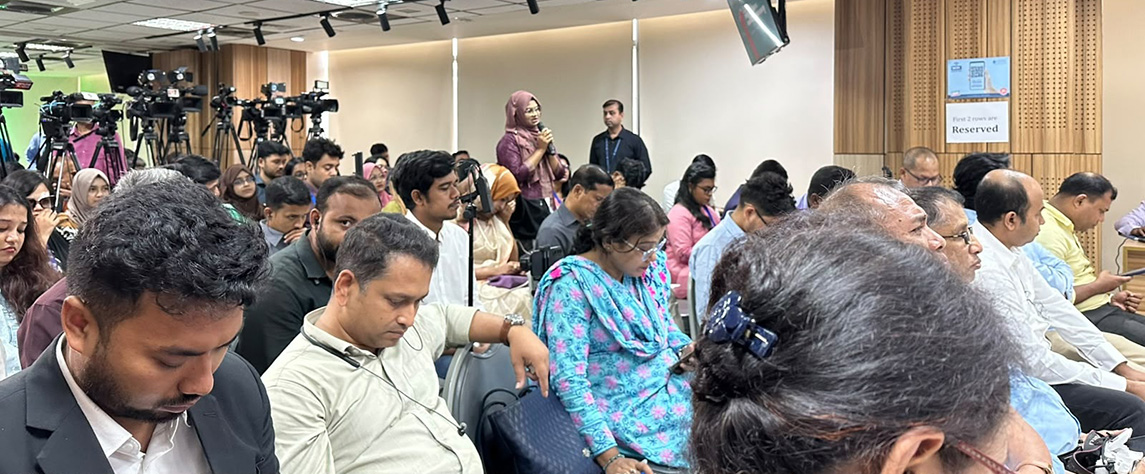
Participants in the open floor segment—including TIB's YES members from various universities, university teachers, and journalists—shifted the discussion to what the July Charter overlooks. They emphasized the absence of inclusive policies for the Chittagong Hill Tracts, the need to protect religious and ethnic minority rights, and the persistence of discriminatory hiring practices in government jobs. They also called for the immediate reinstatement of judicial-independence ordinances and advocated for meaningful reform—rather than simply relabeling—of laws related to enforced disappearances, cyber security, and law enforcement units.
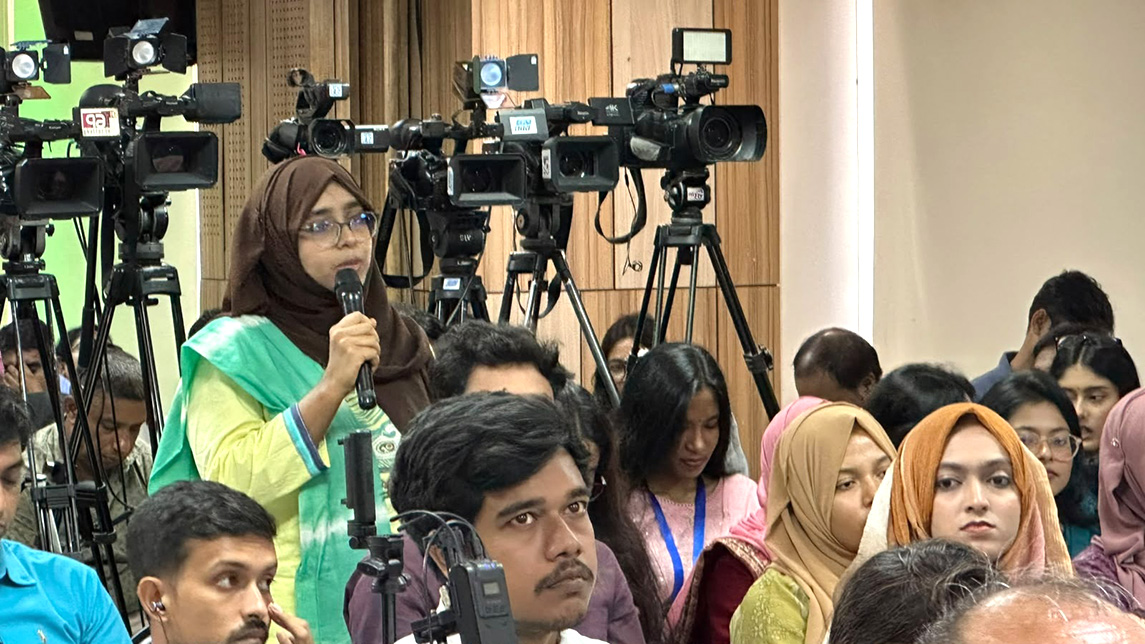
As the discussion at TIB’s International Democracy Day observance event made clear, the path forward for Bangladesh hinges on more than signatures and pledges. Voices from across society—activists, politicians, academics, and citizens—echoed a common demand, that the reforms promised in the July National Charter must be implemented fully and fairly, not just preserved on paper. The challenges articulated by guest speakers and participants underscore that true democratic transformation will require courage, transparency, and a willingness to break with past patterns of exclusion and unaccountable power. Ultimately, the story of Bangladesh’s renewed democracy will be written not by declarations, but by sustained action—ensuring that the hopes ignited by the July 2024 uprising become a lived reality for all.