Published: 17 September 2026
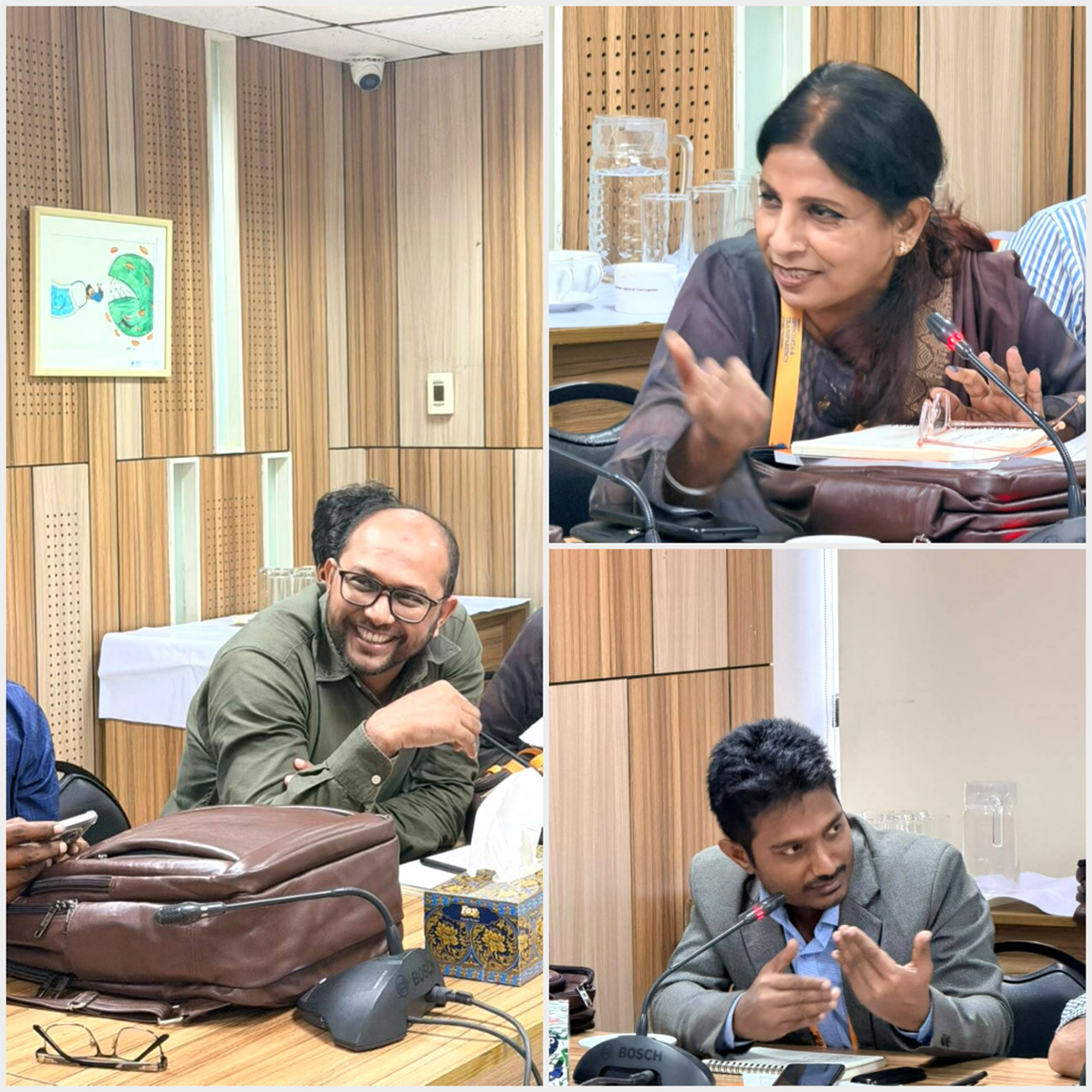
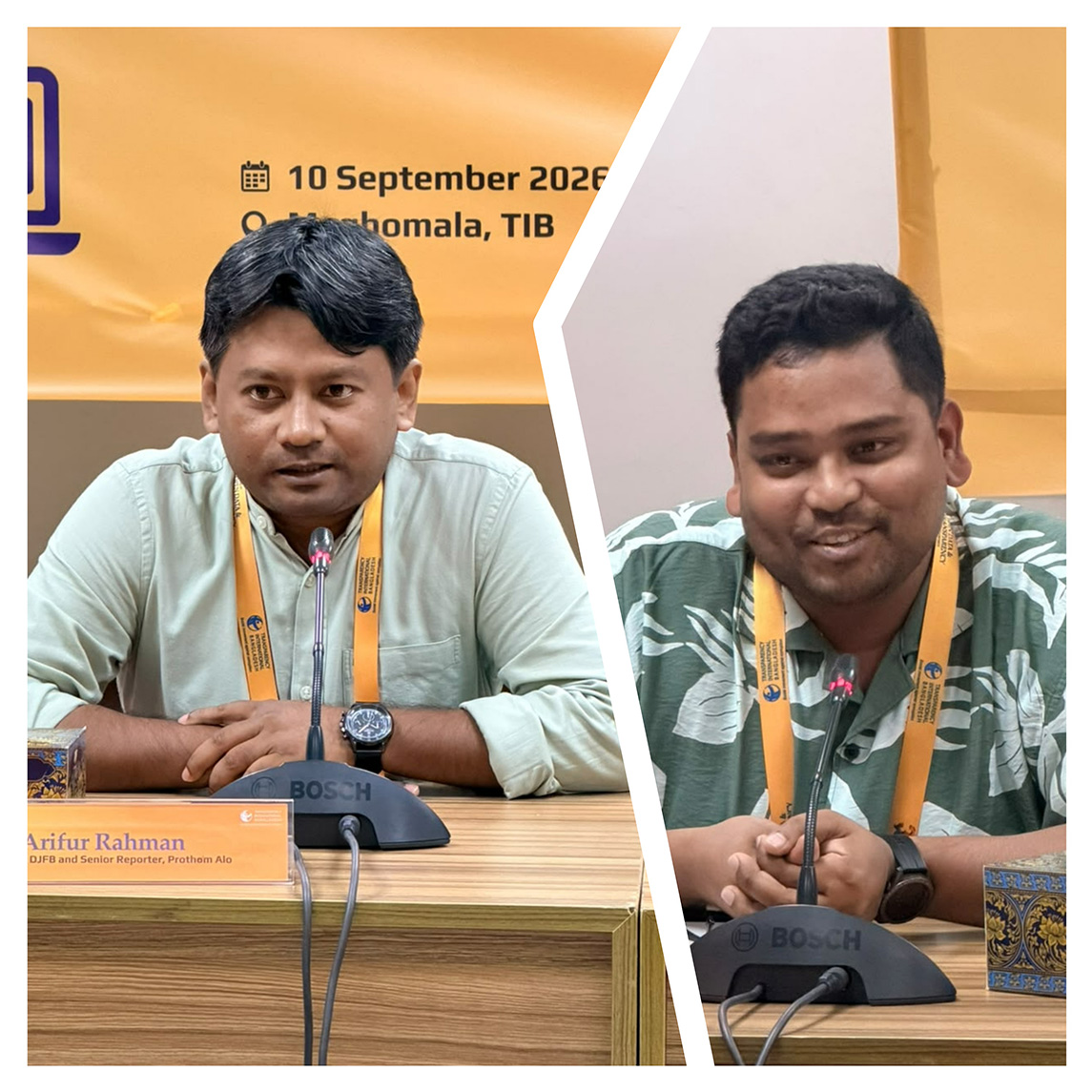
“Have you ever had a thought about something, and only a moment later, you saw an advertisement of it? How does AI do that? It often leaves me astonished, almost as if AI has read my mind." A participating journalist sharing that personal thought during a training session on open data journalism organized by Transparency International Bangladesh (TIB) sets off quiet chuckles with nods of understanding across a room of journalists.
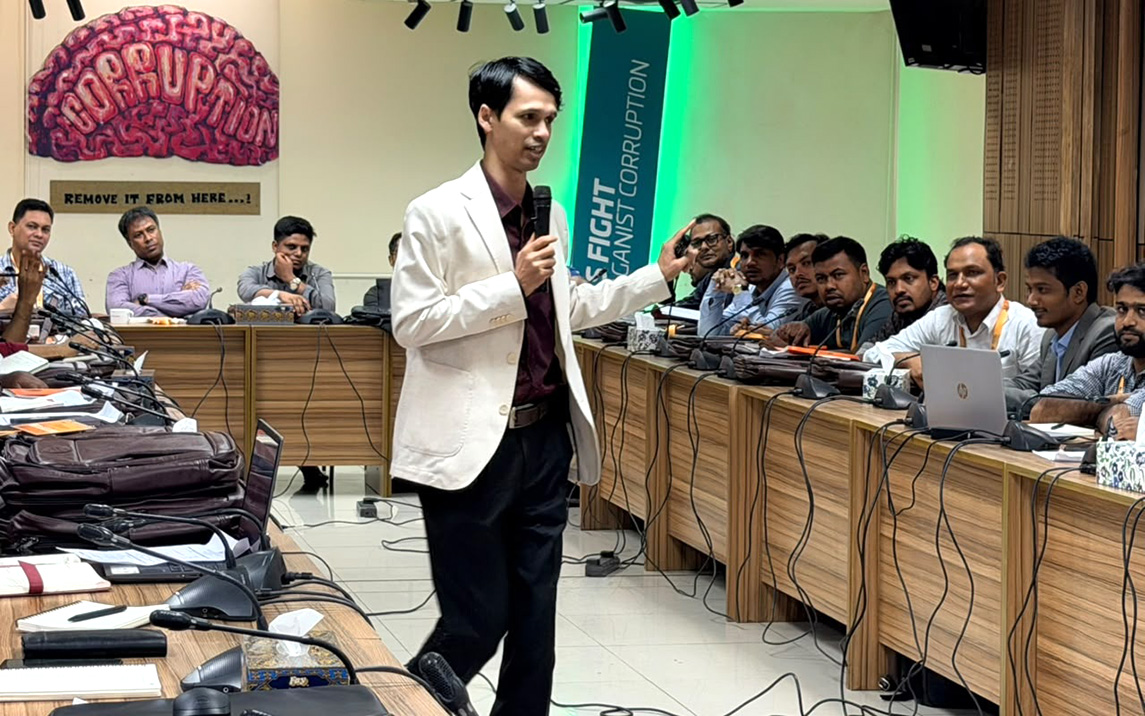
For the journalists who spend their days hunting down hidden documents and chasing hard-to-reach records, the digital world can often feel like a maze that is both magical and overwhelming. But as Mohammad Tauhidul Islam, TIB's Director of Outreach and Communication, steps up to lead a session on understanding data, statistics, and information, he brings a comforting sense of clarity. He explains it is not magic at all but simply the power of data analysis. He explains that it is not magic at all but simply the power of data analysis. Every digital choice we make leaves a trail of patterns waiting to be decoded. Just as algorithms map out our everyday habits, reporters can use those exact same tools to untangle complex webs of corruption and expose hidden public anomalies. Raw, unstructured data can indeed be shaped into a clear story that uncovers the truth, effectively letting us read the hive mind of corruption. letting reporters trace the pattern hidden inside corruption.
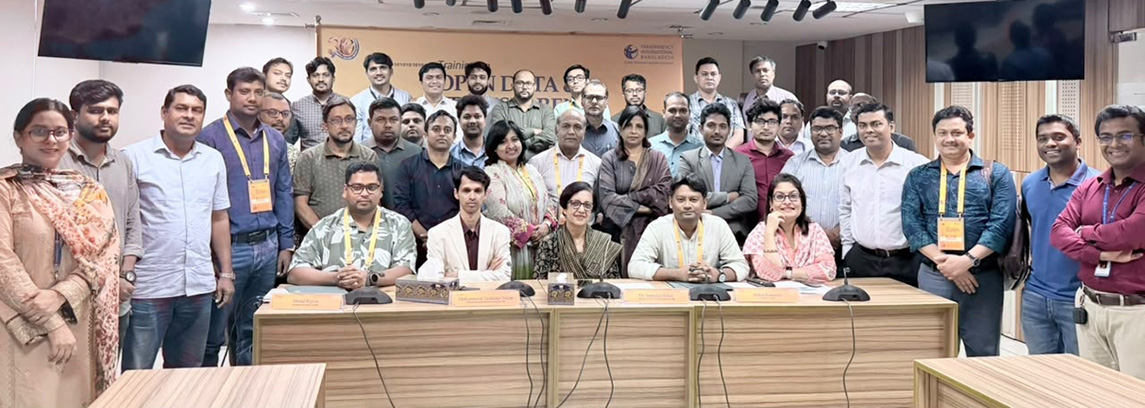
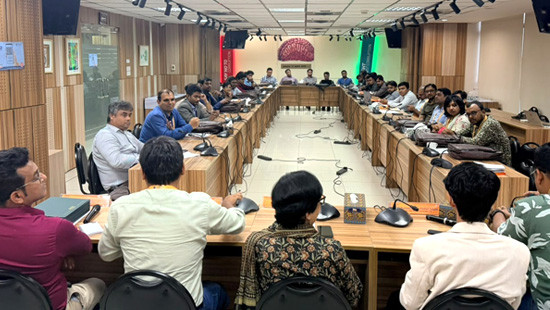
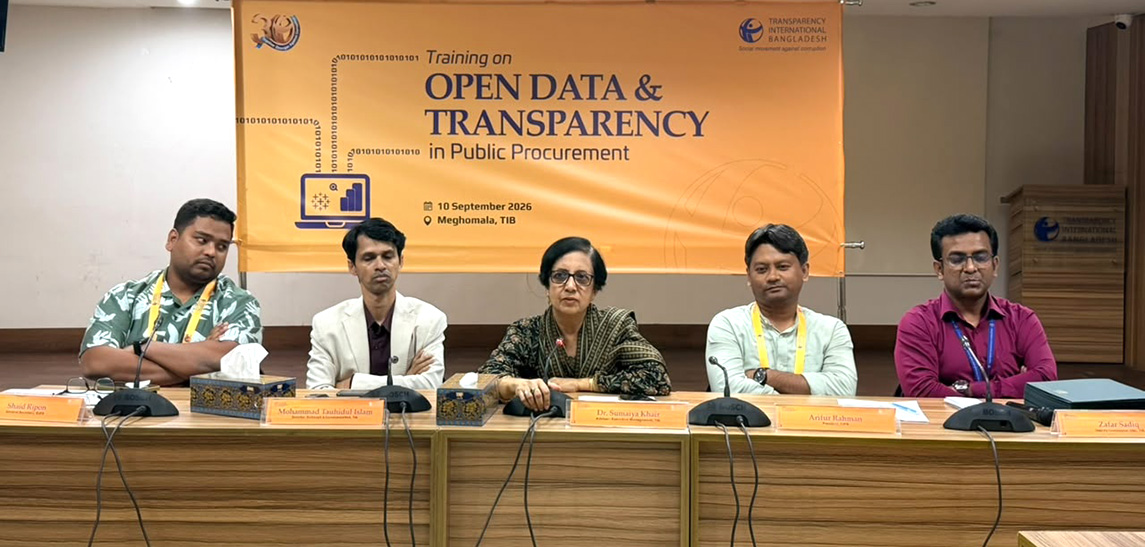
Recognizing that data-driven journalism transforms transparency from an abstract principle into a practical accountability tool, TIB partnered with the Development Journalist Forum of Bangladesh (DGFB) on September 10, 2026, and organized "Open Data and Transparency in Public Procurement,” a day-long training, and provided forty-one development bit reporters from leading media outlets with practical skills to transform complex procurement data into citizen-friendly investigative reports. Journalists learned techniques for data dashboard analysis and extraction that reveal hidden indicators of corruption often invisible without analytical tools. The training demonstrated how to identify "red flags" in procurement processes, including strategies for recognizing political connections, detecting collusion patterns, and monitoring competitive environments surrounding government contracts. Journalists gained knowledge to trace patterns suggesting irregularities and to track how taxpayer money flows through procurement systems.
To tackle the challenge of finding corruption buried in piles of data, Mohammad Tauhidul Islam returns to the floor, showing that the very data needed to expose corruption is already open to everyone if we only know where to look! Exploring how open-source data operates within public procurement, the session guides journalists on how to navigate open data for investigative reporting while examining what leading data journalists worldwide use. The current energy crisis generates rapid news headlines, but many reports lack sufficient depth. By learning how to sort through the chaos, filter out the noise, and properly maintain and analyze public data, journalists can look beyond surface-level announcements, stop feeling overwhelmed by the digital puzzle, stop feeling lost in scattered records, and turn unstructured data into real investigative stories that uncover hidden corruption.
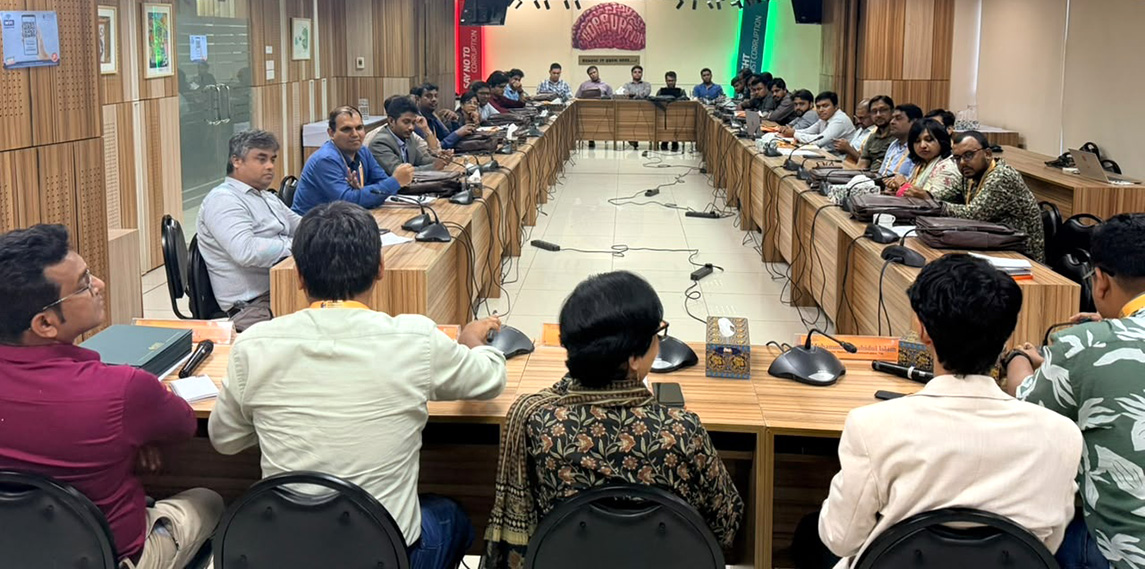
The journey from raw numbers to compelling evidence unfolded step-by-step as the sessions gave way to practical application. Rifat Rahman, TIB's Assistant Coordinator for Data Visualization, has shown how to connect abstract databases with tangible investigative leads. Through real-world case examples and interactive dashboards, he showed the reporters how thousands of unstructured, overwhelming data points can be cleaned, extracted, and transformed into clear visual proof that exposes what is hidden beneath the surface.
Building directly upon those visual dashboards and cleaned databases, once patterns are clearly mapped visually, the next logical step is to let automation handle the heavy lifting. The discussion naturally shifted toward the digital tools that reporters already touch every day. While everyone in the room was already familiar with using artificial intelligence for basic daily tasks, the session revealed how much further those capabilities can go. K. M. Rafiqul Alam, Assistant Coordinator for Data Visualization at TIB, guided the journalists beyond surface-level queries into advanced prompt engineering and automated data decoding. He showed how to use these technologies for deep analytical work and shared how AI can effortlessly process complex public procurement records, transforming piles of paperwork into clear, actionable leads and making it much easier to uncover hidden corruption.
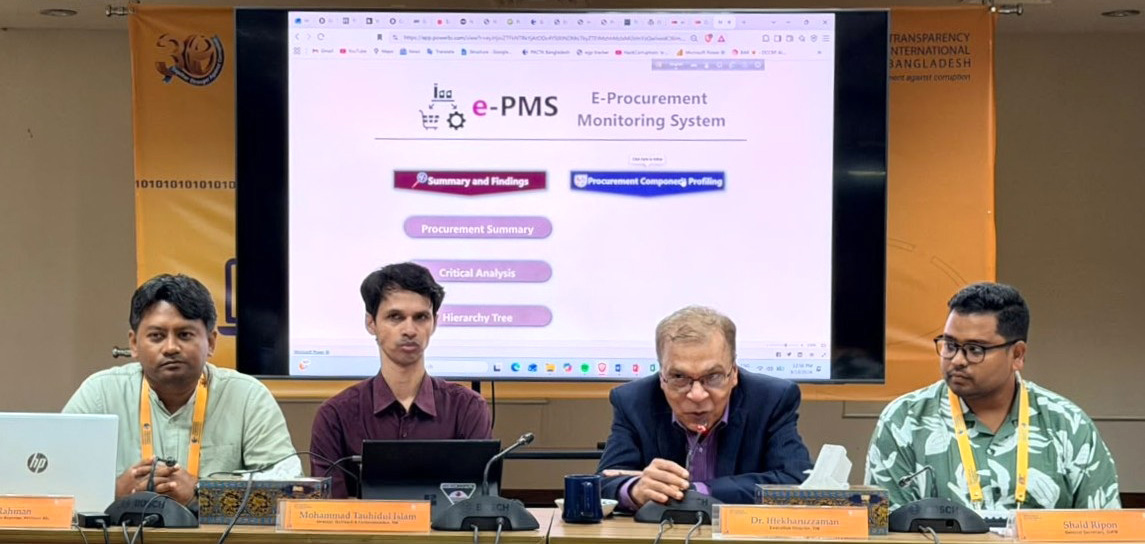
Bringing that investigative journey into sharper institutional focus, Dr. Iftekharuzzaman, Executive Director of Transparency International Bangladesh TIB, addressed the journalists with a compelling call to action. He emphasized that the true strength of investigative journalism lies not just in uncovering isolated irregularities but in connecting the dots to dismantle systemic opaqueness. For reporters facing institutional resistance and complex webs of public spending, mastering data and digital tools is no longer optional; it is the ultimate shield and sword for accountability and transparency.
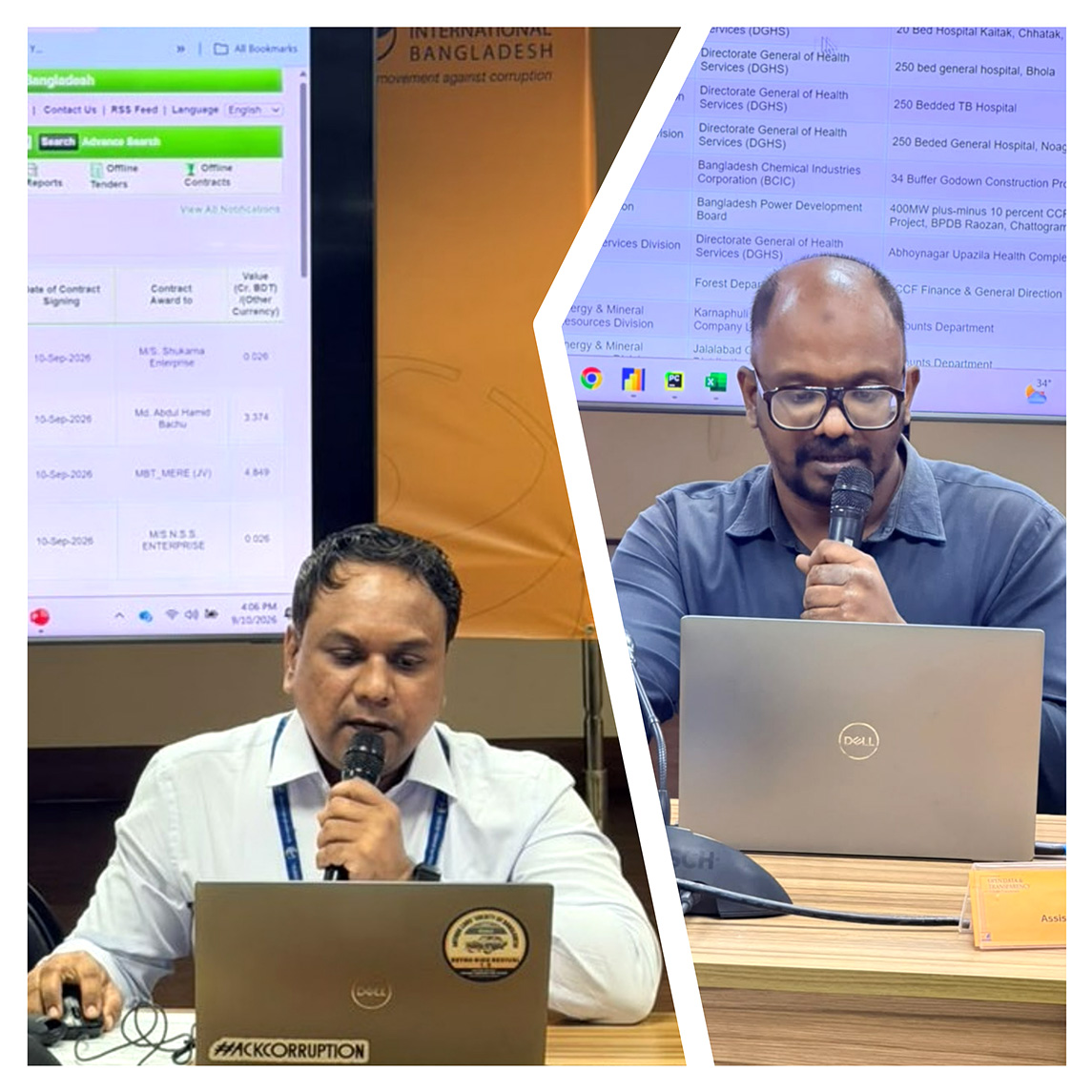
As the day drew to a close, participants shared that they were thrilled with the training expressing a desire for extended or smaller group formats with ongoing support to handle the intensive technical tools. Journalists shared that they were thrilled with the training, though many expressed a desire for extended or smaller group formats with ongoing support to master the technical tools. Listening intently to every shared experience, Dr. Sumaiya Khair, Adviser to Executive Management at TIB, stepped in to address the room's technical hurdles with warm encouragement. Rather than viewing the steep learning curve as a burden, she highlighted their intense thirst to know more, celebrating their hunger for knowledge as the true engine of investigative journalism. She celebrated their hunger to learn more as the true engine of investigative journalism. Dr. Khair promised journalists that TIB will support them in every way. Throughout the workshop, TIB's Outreach and Communication Coordinator Shahreen Haq and Assistant Coordinator Simum Mousumi Bristy were actively present support the participants. The day wrapped up with a certificate distribution ceremony hosted by Outreach and Communications Deputy Coordinator Zafar Sadiq, sending the reporters back to their newsrooms fully equipped with advanced data skills and ready to uncover the truth hidden behind the scenes.