Published: 06 July 2026
What does a dumpsite reveal? For most people, the answer is piles of waste, an unbearable smell, smoke drifting into the sky, children searching through rubbish, waste pickers at work, and crows circling overhead.
An investigative journalist is expected to see something else. Not simply what is there, but why it is there. Why does the waste end up here? Who is responsible for managing it? Whose health is at risk? What policies failed before the garbage reached this point? How does a dumpsite become a climate story, a public health story, an urban planning story—or even a story about governance?
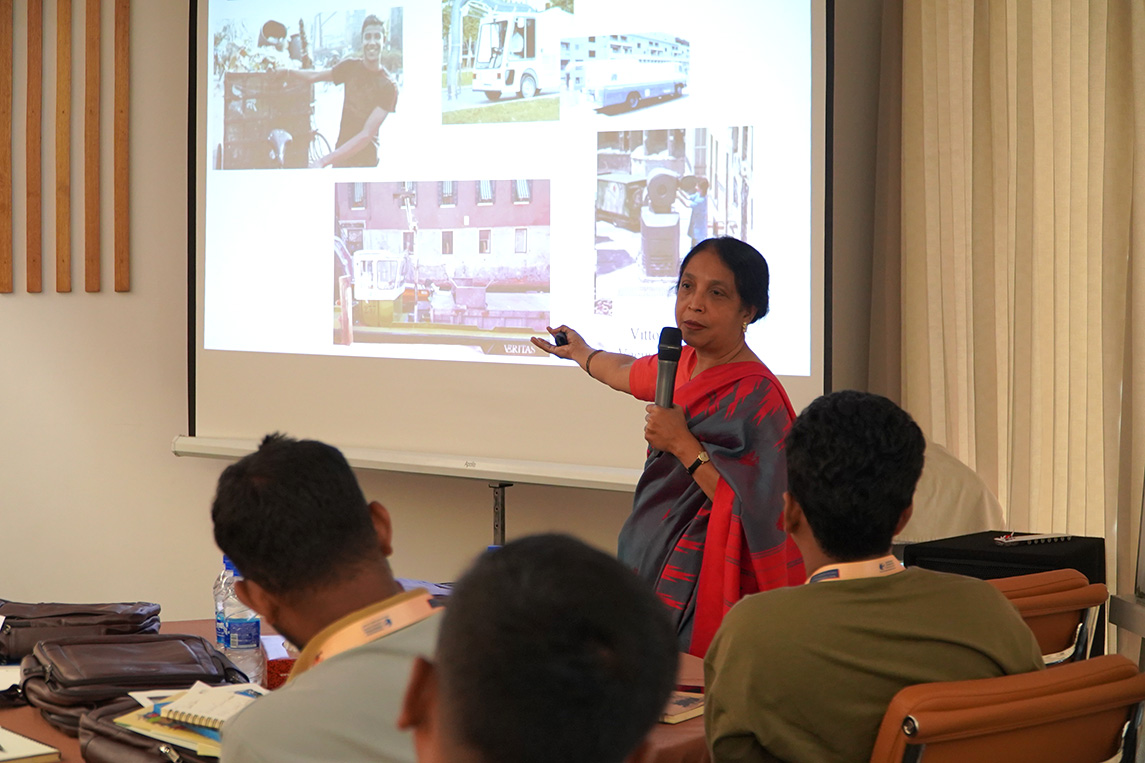
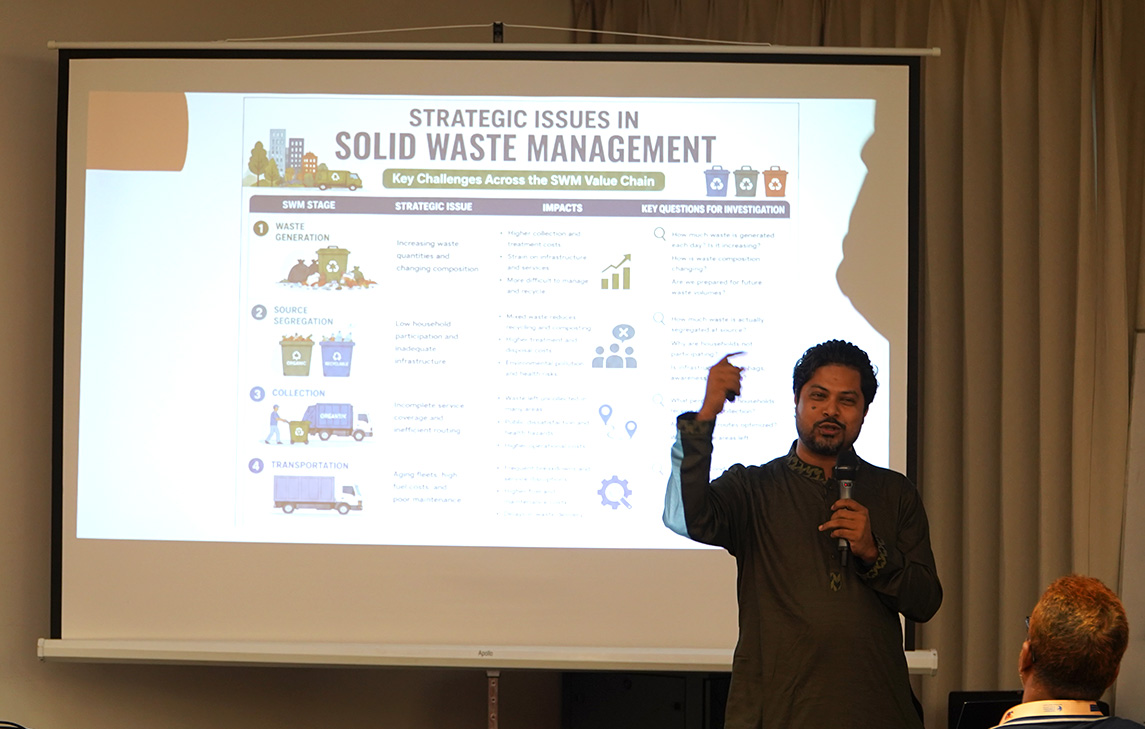
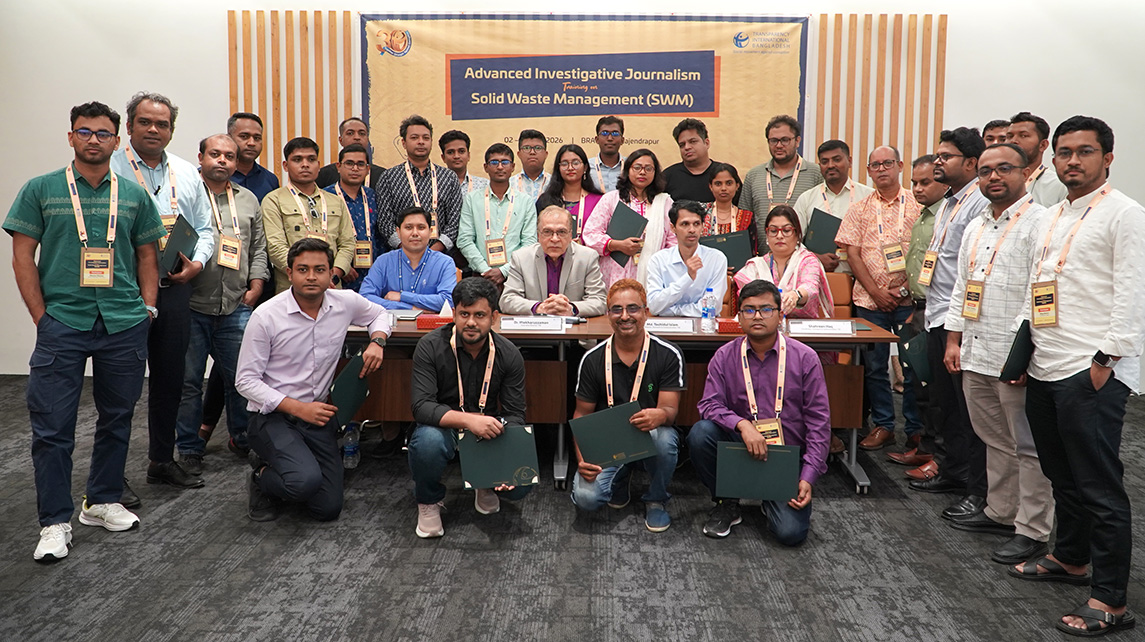
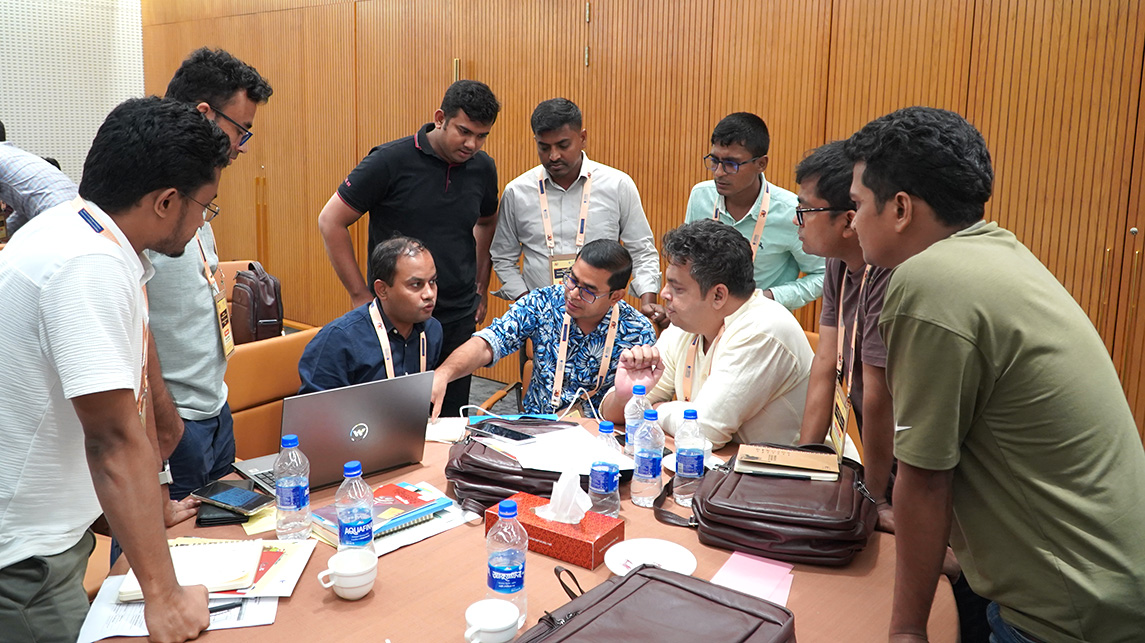
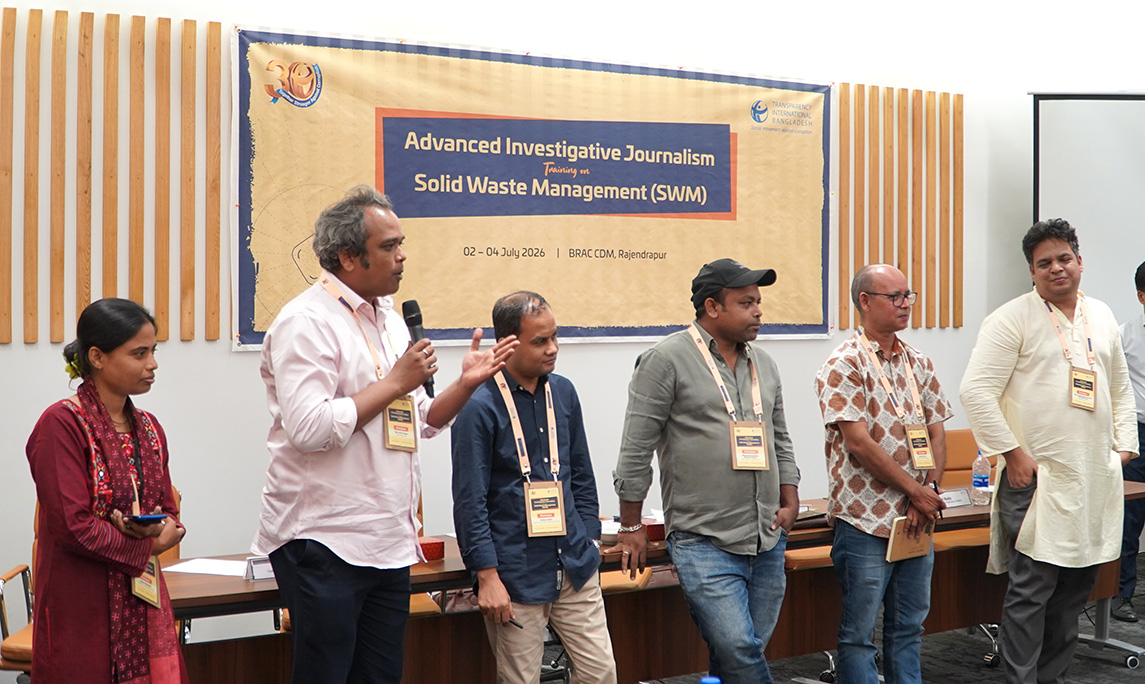
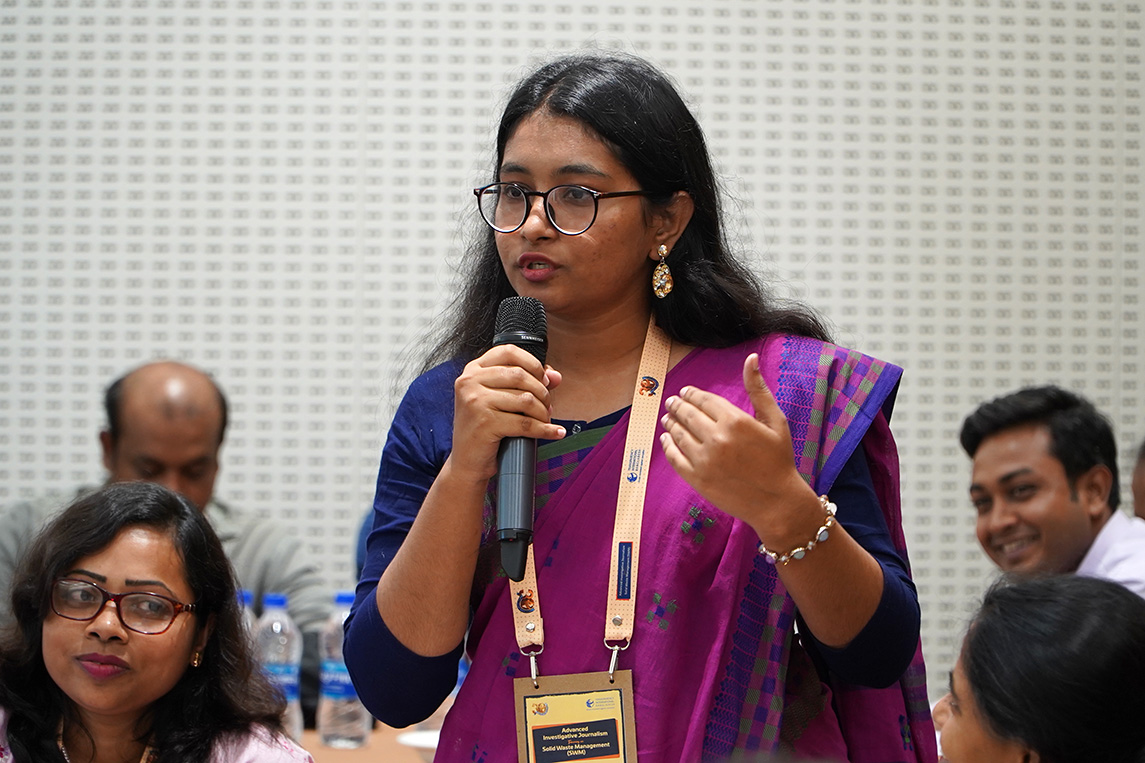
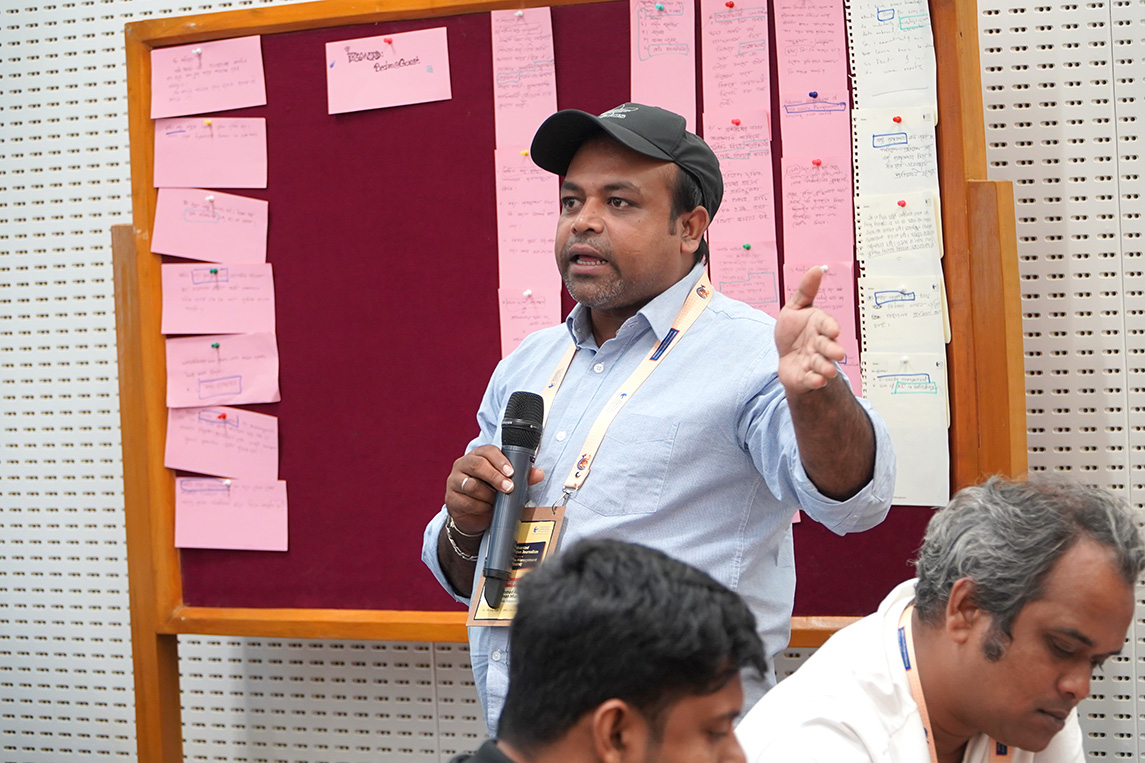
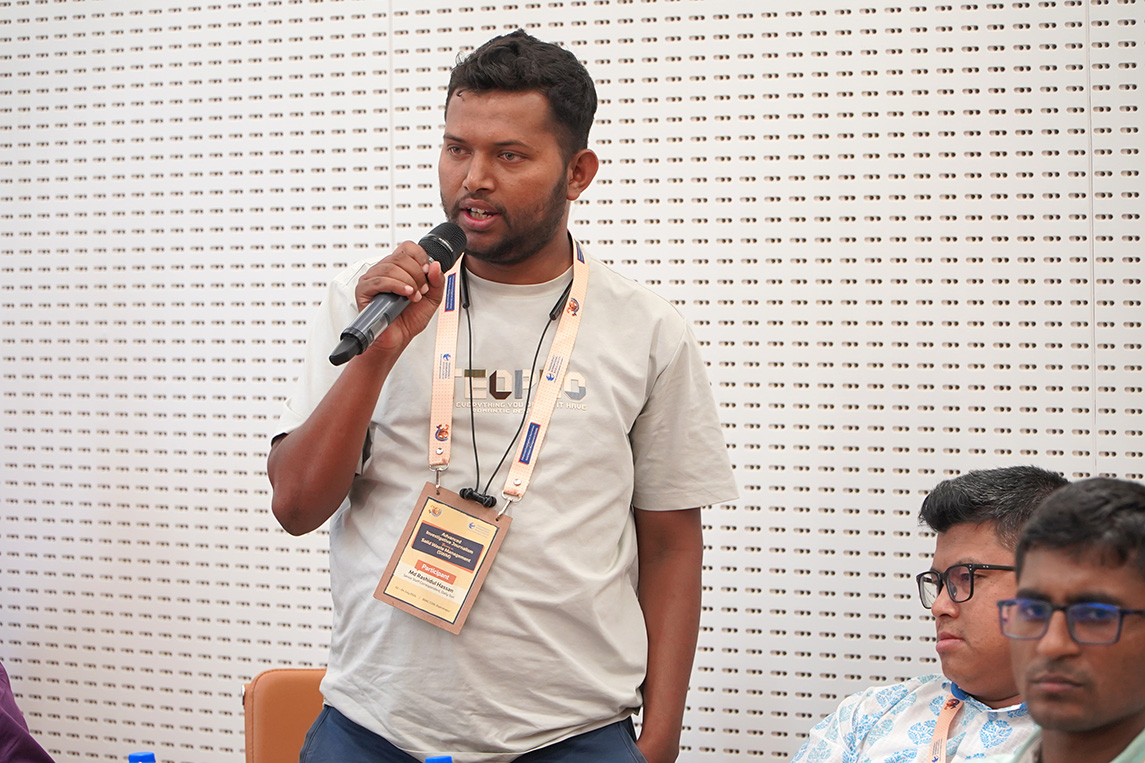
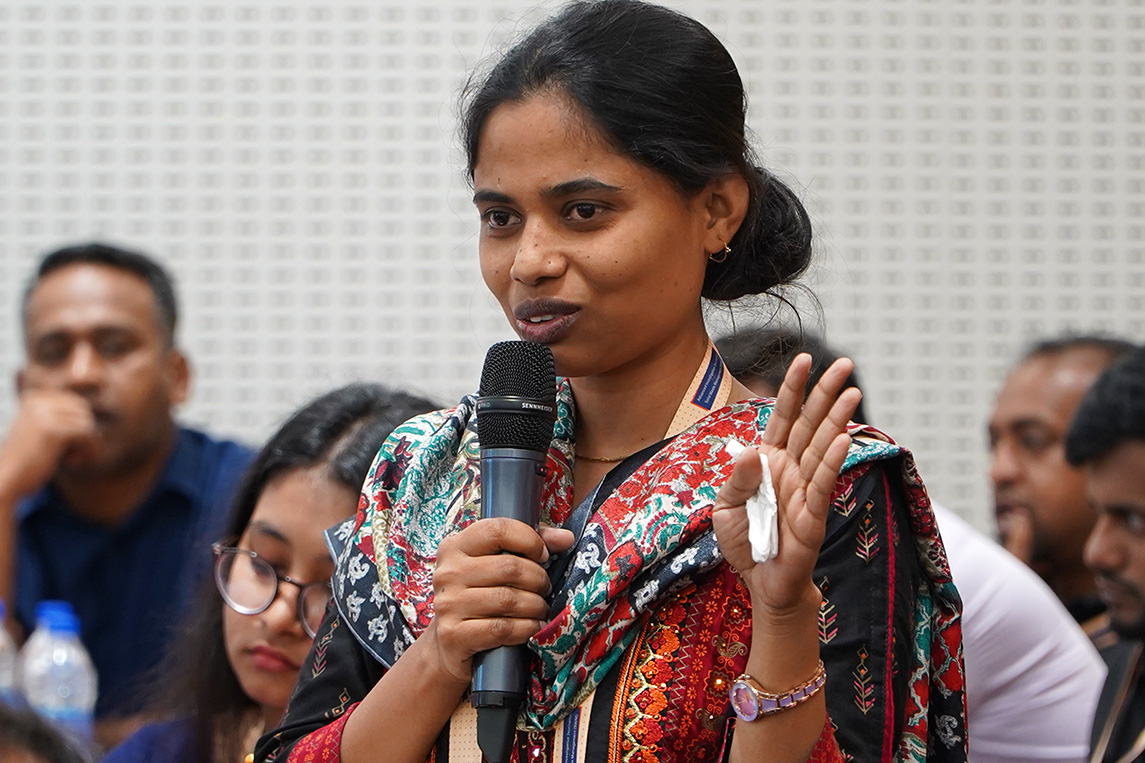
Those questions became the starting point of Transparency International Bangladesh's (TIB) three-day Advanced Investigative Journalism Training on Solid Waste Management (SWM), from 2nd July to 4th July, 2026, at BRAC CDM, Rajendrapur, where 29 journalists from across the country gathered to rethink what investigative reporting really means. The training did not begin with lectures or technical presentations. Instead, participants were asked a deceptively simple question.
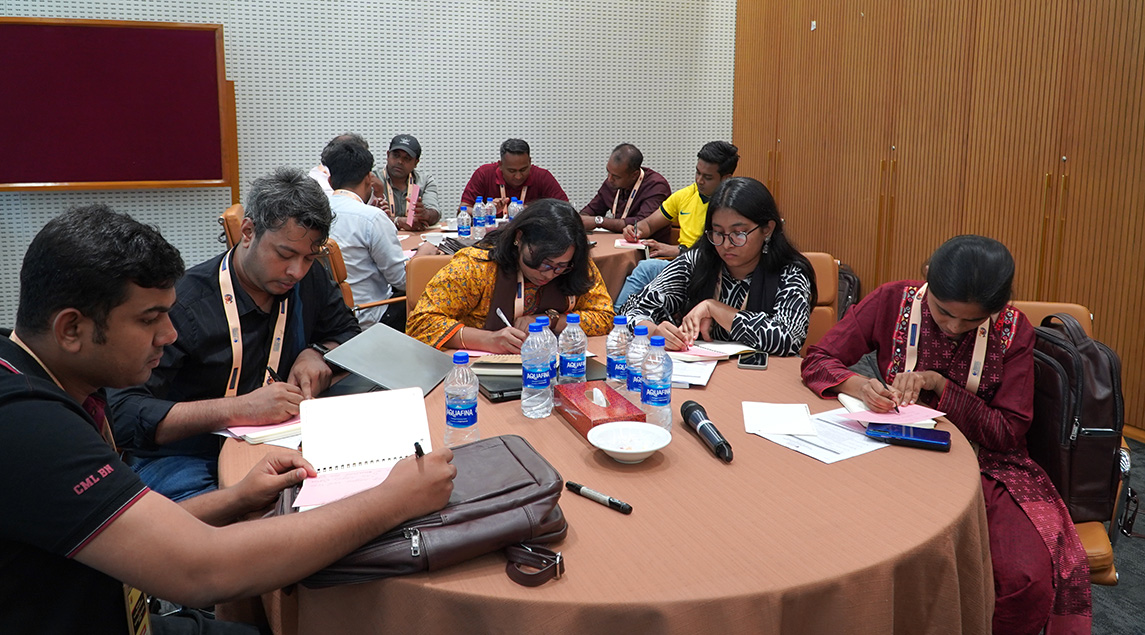
What do you hope to take away from these three days? The answers, scribbled on small VIPP cards, reflected the everyday challenges of investigative reporting in Bangladesh. Some participants wanted to learn how to track the accountability of municipalities responsible for waste management. Others hoped to make sense of large datasets without feeling overwhelmed. Several were curious about whether artificial intelligence could genuinely strengthen investigative reporting. A few were still unsure whether solid waste management—something many people dismiss as an environmental or sanitation issue—could even become an investigative story.
Three days later, those questions had quietly changed. Participants were no longer asking what could be seen at a dumpsite. They were asking what remained invisible. That shift in thinking perhaps became the training's most meaningful outcome. Because beneath every visible heap of waste lies an invisible system of decisions, institutions, policies, budgets, and responsibilities. A struggling dumpsite is usually about more than poor sanitation. It can reveal gaps in urban planning, weak implementation of environmental policies, failures in public service delivery, climate vulnerabilities, economic inequalities, and questions of accountability.
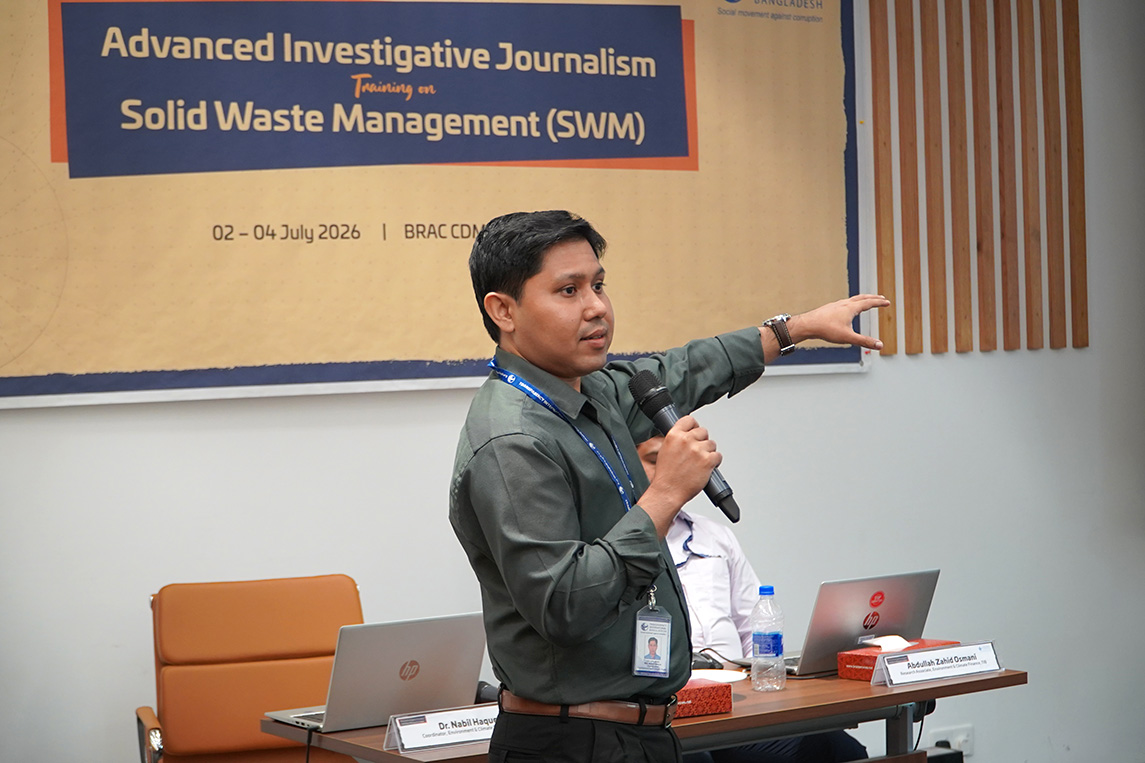
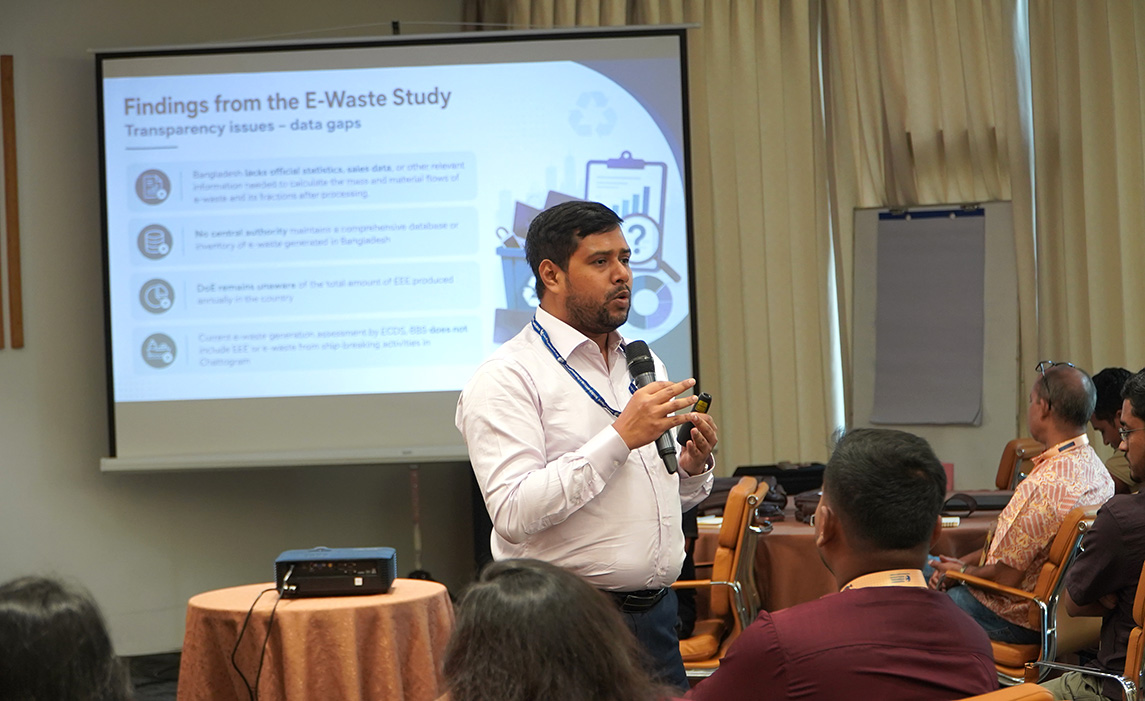
Once those connections become visible, waste management stops being a single-sector issue. It becomes a window into how governance itself works—or fails to work. Helping participants develop that perspective was one of the defining strengths of the program. Drawing on years of research and professional experience, Dr. Rowshan Momtaz of Bangladesh University of Engineering and Technology (BUET), solid waste management specialist Kazi Amin, TIB's Dr. Nabil Huq, and Abdullah Zahid Osmani encouraged participants to look beyond the physical landscape of waste and examine the systems that produce it. In doing so, the conversation gradually moved beyond solid waste management and arrived at a more fundamental lesson about investigative journalism itself.
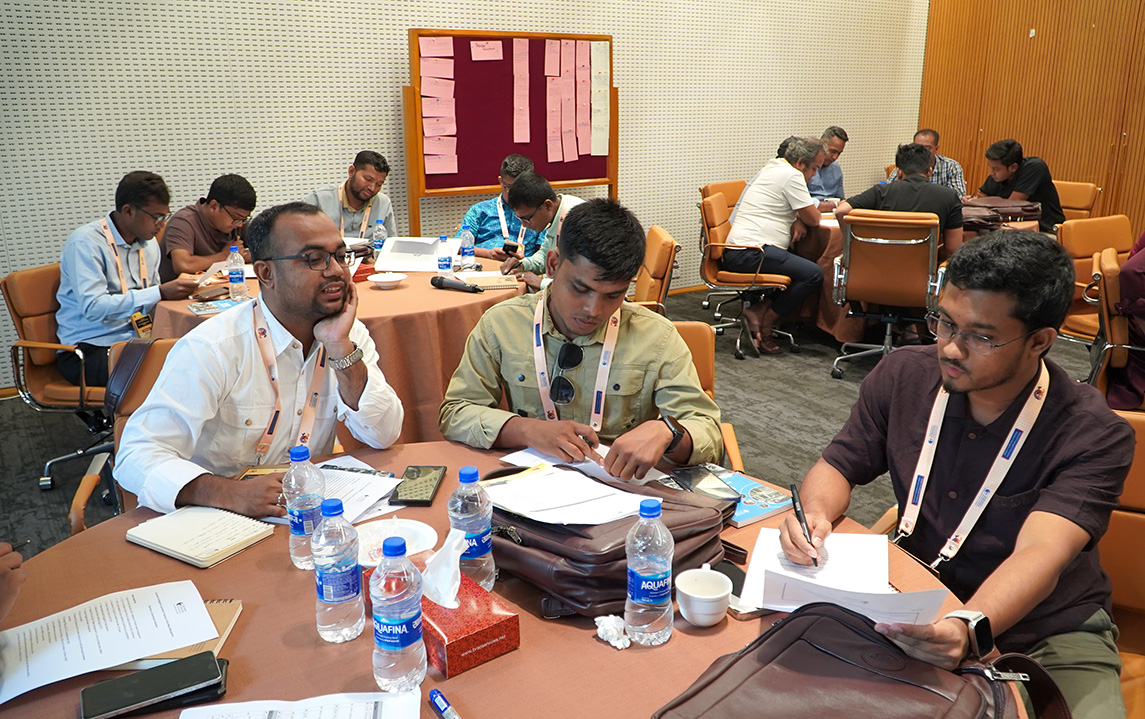
Finding information is usually not the hardest part of an investigation. Finding the story is the main issue. Everyone standing at the same dumpsite witnesses the same physical reality. Yet each journalist may uncover a completely different story. One sees climate change. Another recognizes a public health emergency. Someone else notices the consequences of poor urban planning, while another begins following the trail of budgets, contracts, policy implementation, or institutional accountability.
The scene never changes. The questions do. And ultimately, those questions determine the story. Throughout the training, participants were repeatedly reminded that investigations are often less about isolated events than about the people, institutions, decisions, and long-term consequences hidden behind them. The visible incident is only the entry point. The real investigation begins by uncovering the relationships that connect one issue to another.
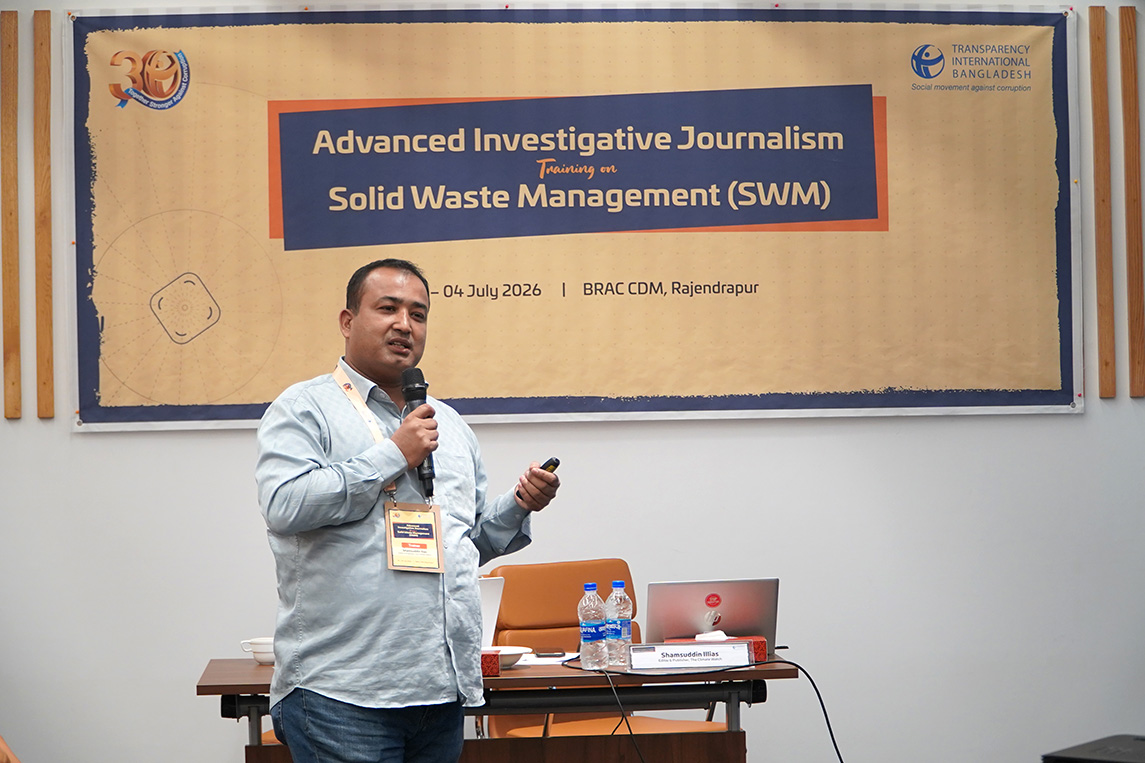
Those ideas became even more tangible through the field experiences shared by Shamsuddin Ilias, Chattogram Bureau Chief of The Business Standard and Publisher and Editor of Climate Watch. Drawing on his investigations, he demonstrated how stories that appear to focus solely on waste often reveal much broader realities about climate risks, governance failures, and environmental justice.
Identifying the story is just the initial step. An investigation earns public trust not because it raises important questions, but because it answers them with credible evidence. Often that evidence is hidden inside government records, open databases, procurement documents, or thousands of rows of seemingly ordinary numbers. In investigative journalism, data is never just data. It becomes evidence of people's lived experiences, policy successes and failures, institutional behavior, and inequalities that might otherwise remain invisible.
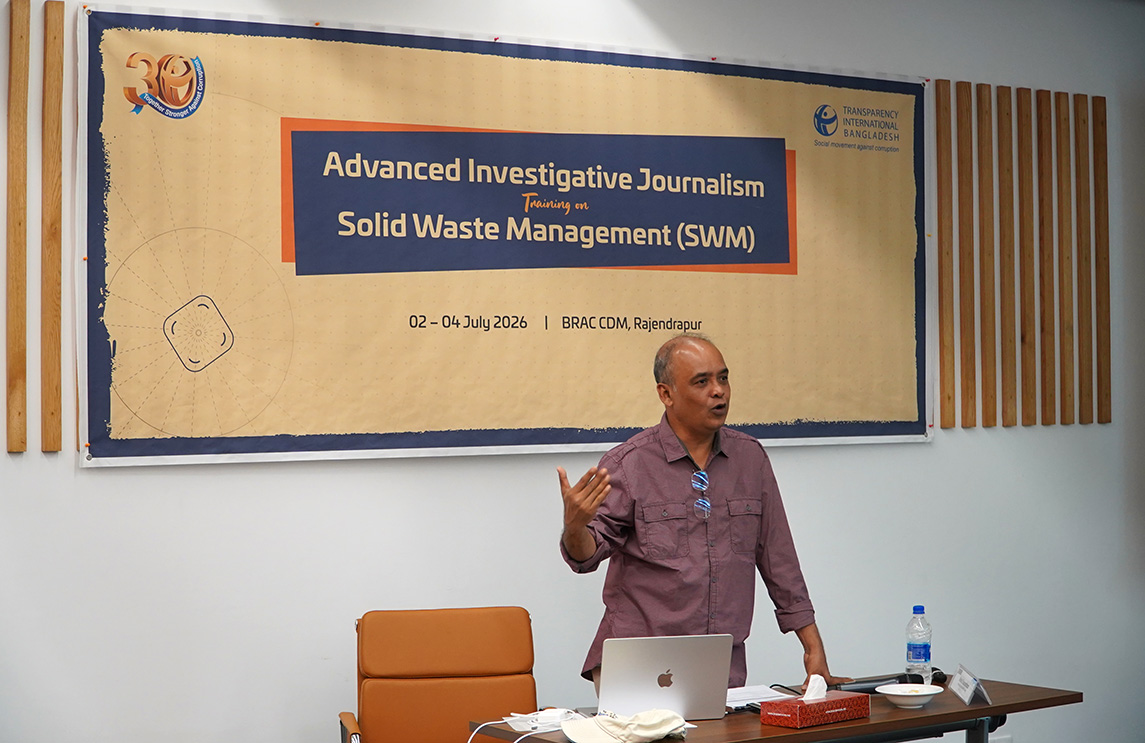
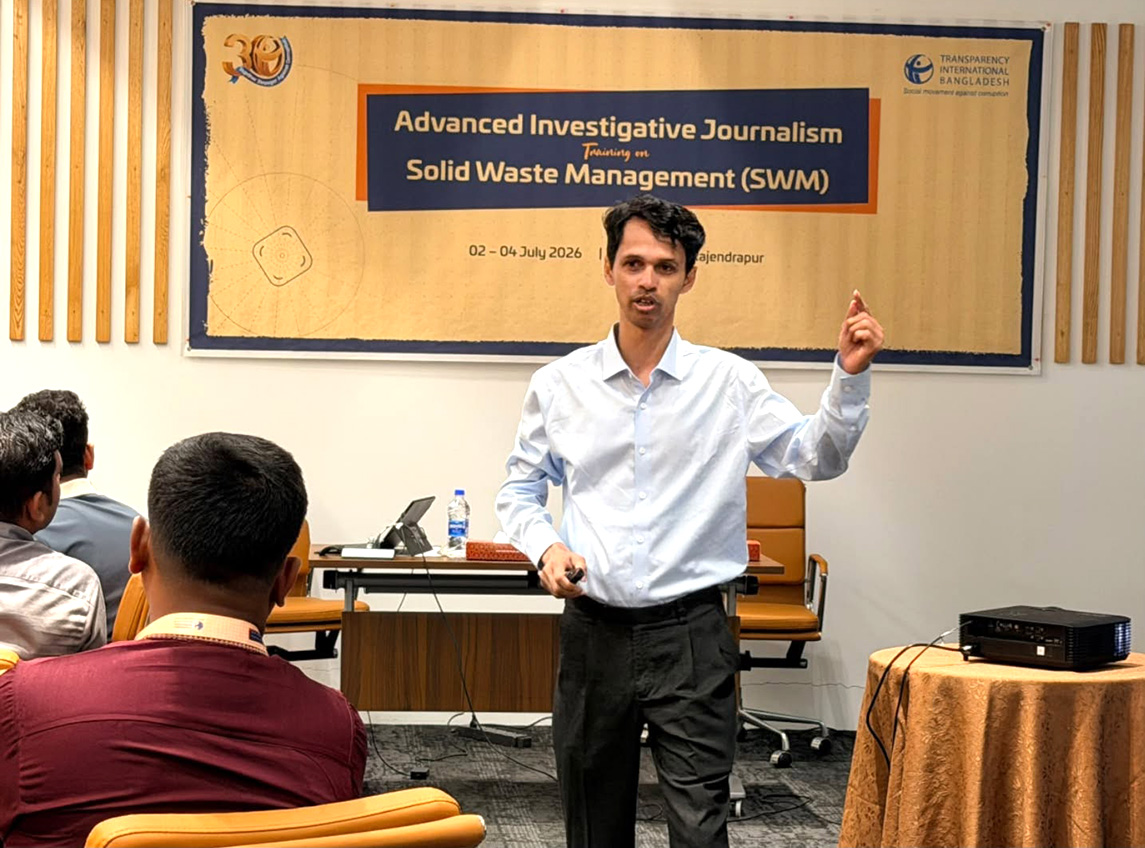
Participants explored how to locate reliable information, assess the credibility of datasets, verify findings against realities on the ground, and connect scattered pieces of evidence into a coherent investigation. These practical sessions were enriched by the experience of Mohammad Tauhidul Islam, Director of Outreach and Communication at TIB, whose work on data-driven investigations demonstrated how evidence can strengthen public interest reporting. Rifat Rahman, Assistant Coordinator (Data Visualization), further showed how effective data analysis and visualization can help journalists uncover patterns that conventional reporting often overlooks.
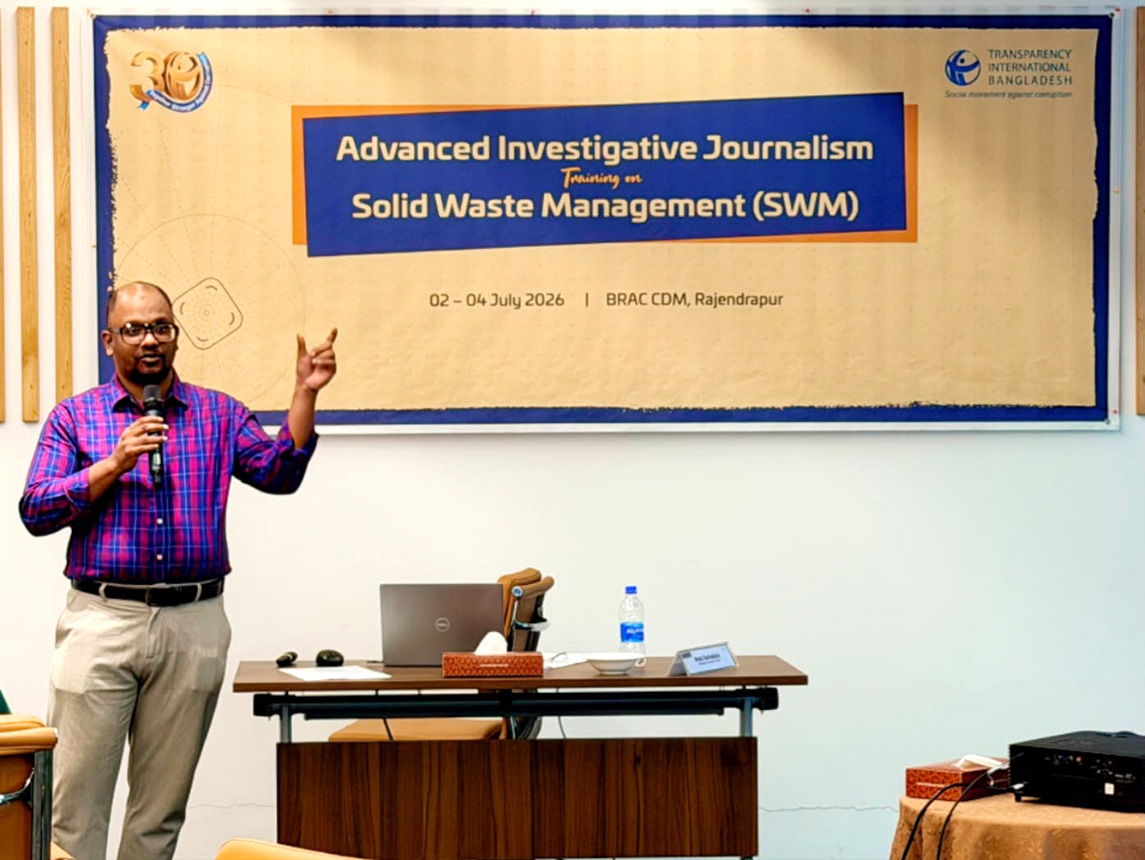
The conversation then turned toward one of journalism's fastest-changing tools—AI. Could AI make investigative journalism more effective? Participants explored practical ways AI can help organize large datasets, identify relevant information more quickly, and simplify the early stages of research. Yet one message remained constant throughout the discussions. Technology can accelerate the process. It cannot establish the truth. AI may point journalists toward useful information, but it cannot decide which evidence is reliable, which claim deserves further scrutiny, or which story truly serves the public interest. Those judgements remain fundamentally human.
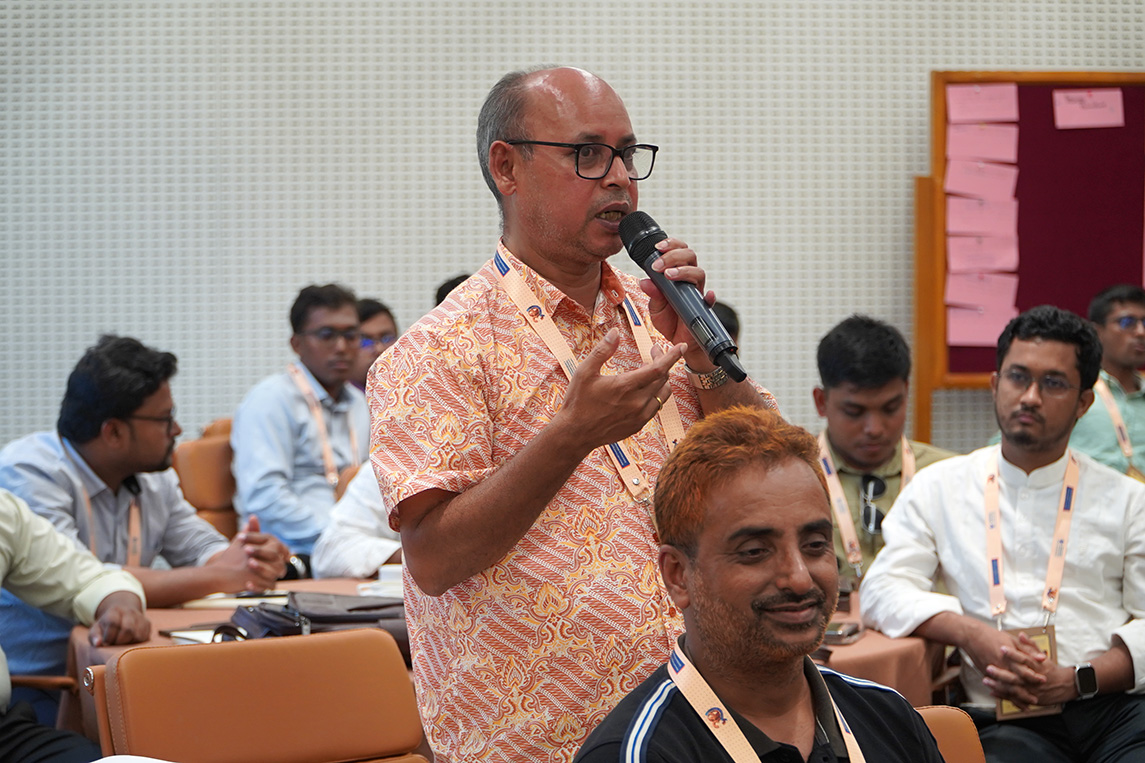
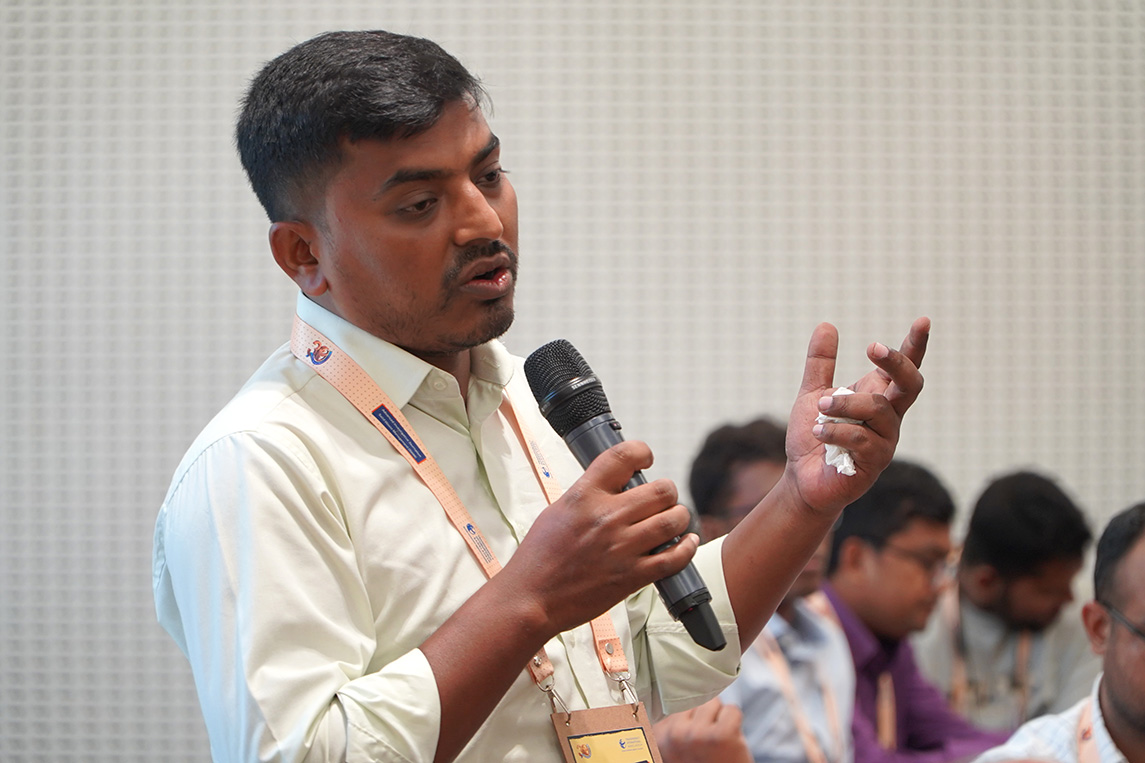
That understanding naturally led to an even bigger question. If technology continues to evolve, what will always remain at the heart of investigative journalism? The answer was surprisingly simple. A meaningful investigation begins with a meaningful question. But asking the question is only the beginning. It must then be pursued through evidence, verification, persistence, and an enduring dedication to accuracy. That investigative mindset was perhaps most powerfully reinforced by veteran investigative journalist Mohammad Badruddoza. His message went beyond reporting techniques. Investigative journalism, he reminded participants, is ultimately a way of thinking. It requires the discipline to follow a question wherever the evidence leads, the curiosity to recognize stories hidden inside seemingly ordinary situations, and the integrity to keep the public interest above convenience or assumption. His philosophy could almost be distilled into four simple steps: Where is the story? Where is the evidence? How can technology help? Who makes the final judgement? The answer is ‘The journalist.’
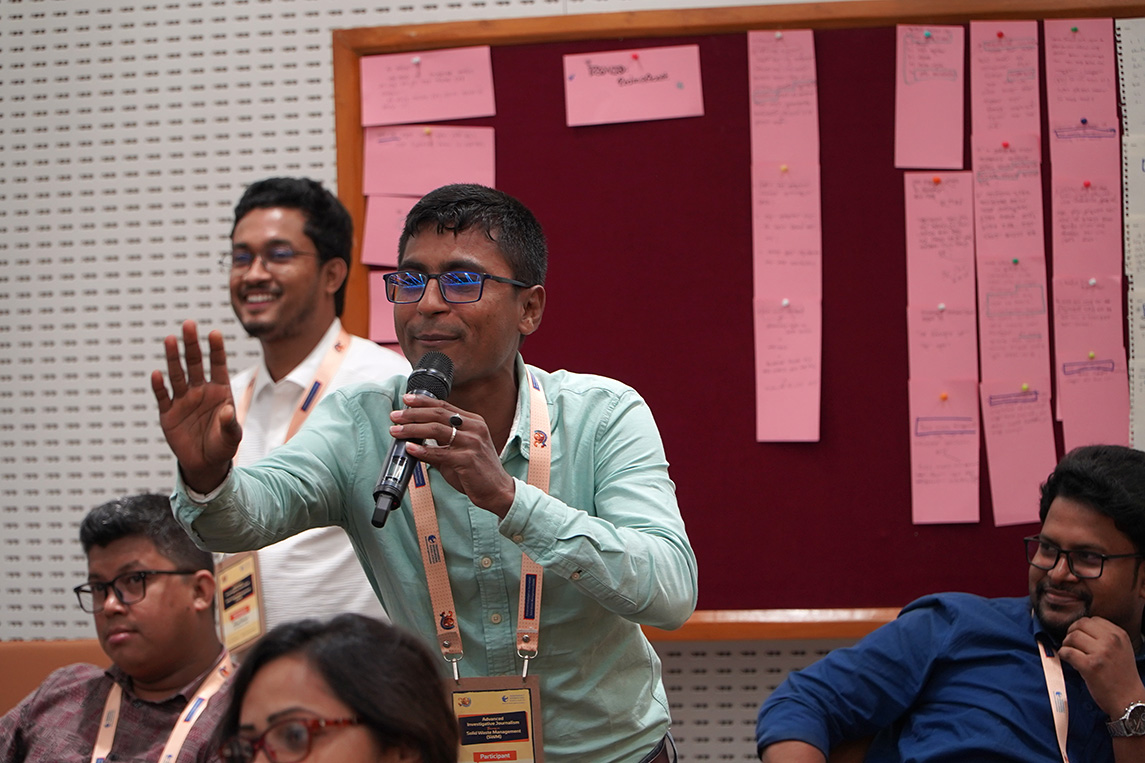
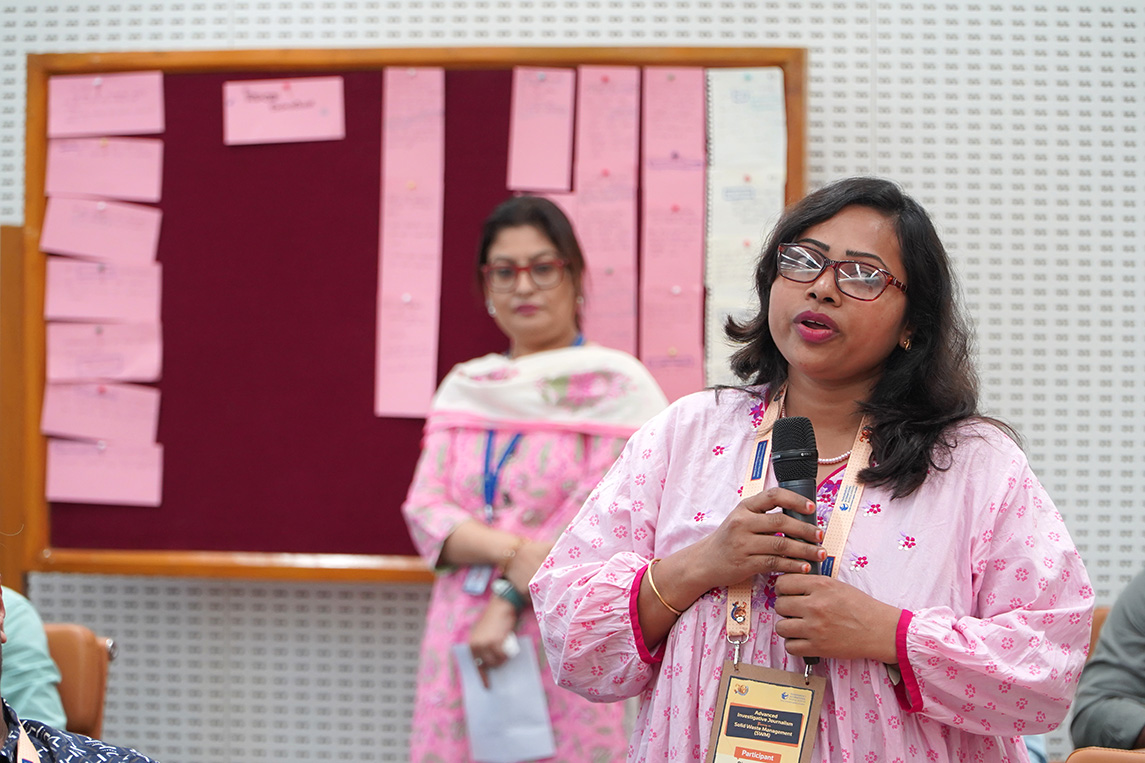
By the final day of the training, it had become clear that no reporting tool, technological platform, or investigative method can replace editorial judgment. Good investigative journalism rests on something far more enduring: the courage to ask difficult questions, the patience to pursue the answers, and the responsibility to ensure those answers genuinely serve the public interest. Ironically, the program’s most memorable moments arrived after the formal sessions had ended.
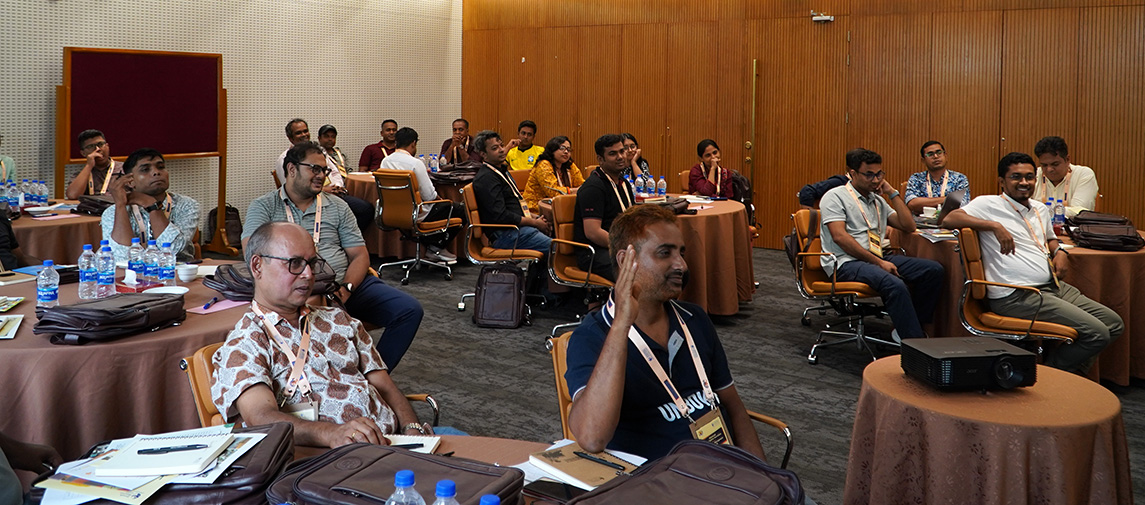
During the closing learning-sharing session, participants stopped discussing theories and began telling stories from their reporting journeys. One journalist described spending months following a single lead before the evidence finally came together. Another recalled waiting endlessly for one crucial document. Others reflected on working under pressure, navigating institutional barriers, and continuing to pursue accountability despite uncertainty and resistance.
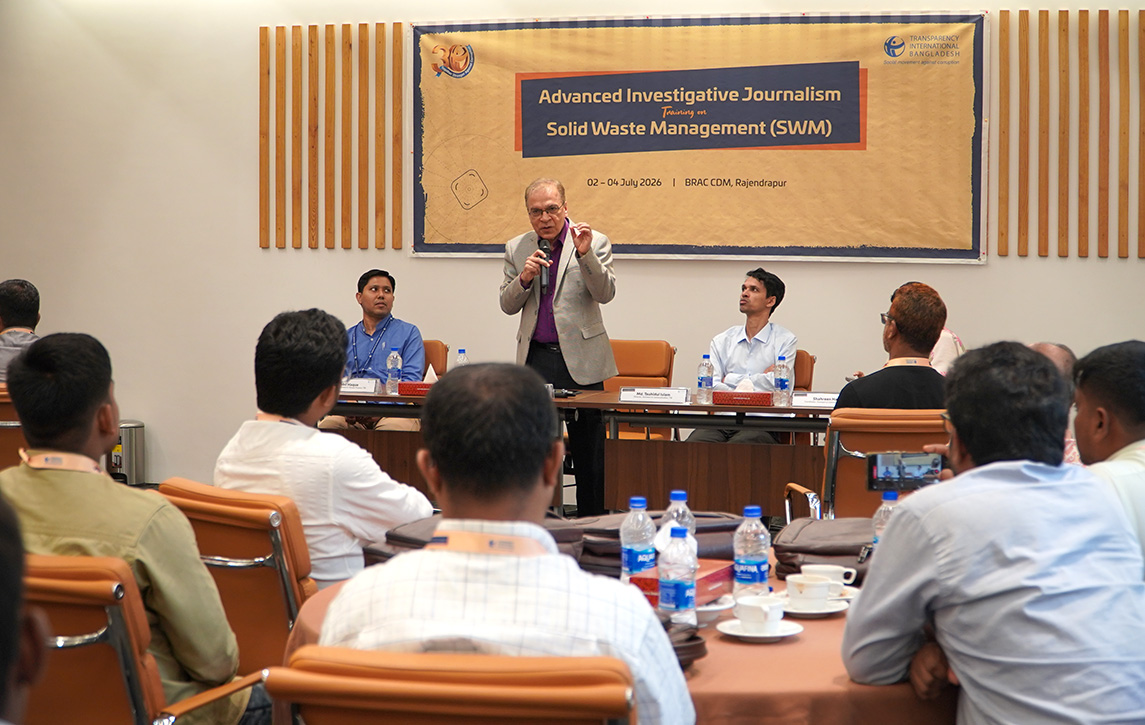
As experiences flowed across the room, so did new questions. One journalist's story inspired another journalist's curiosity. Different perspectives challenged familiar assumptions. Laughter often interrupted serious discussions. Gradually, the distinction between trainers and participants faded, replaced by a genuine community of professionals learning from one another.
Certificates were presented at the closing ceremony. Yet the certificates were never the program’s greatest achievement. What participants carried home was something far more valuable—a different way of seeing. Three days earlier, they had arrived looking for answers. Now they left with greater confidence in asking better questions! And perhaps that is the lasting lesson of this training. It was never simply about understanding solid waste management. It was about recognizing that public interest stories often hide in the places we overlook. A dumpsite is no longer just a place where waste accumulates. It is where climate change, public health, governance, economics, public policy, and human rights intersect. For an investigative journalist, that is where the real story begins.