Published: 12 November 2026
Years after a case ends, word sometimes reaches a judge that someone stood on the court veranda that day, raised both hands and prayed for the person who had given them justice. One judge told a room full of colleagues that this is often the only reward a judge ever hears of.
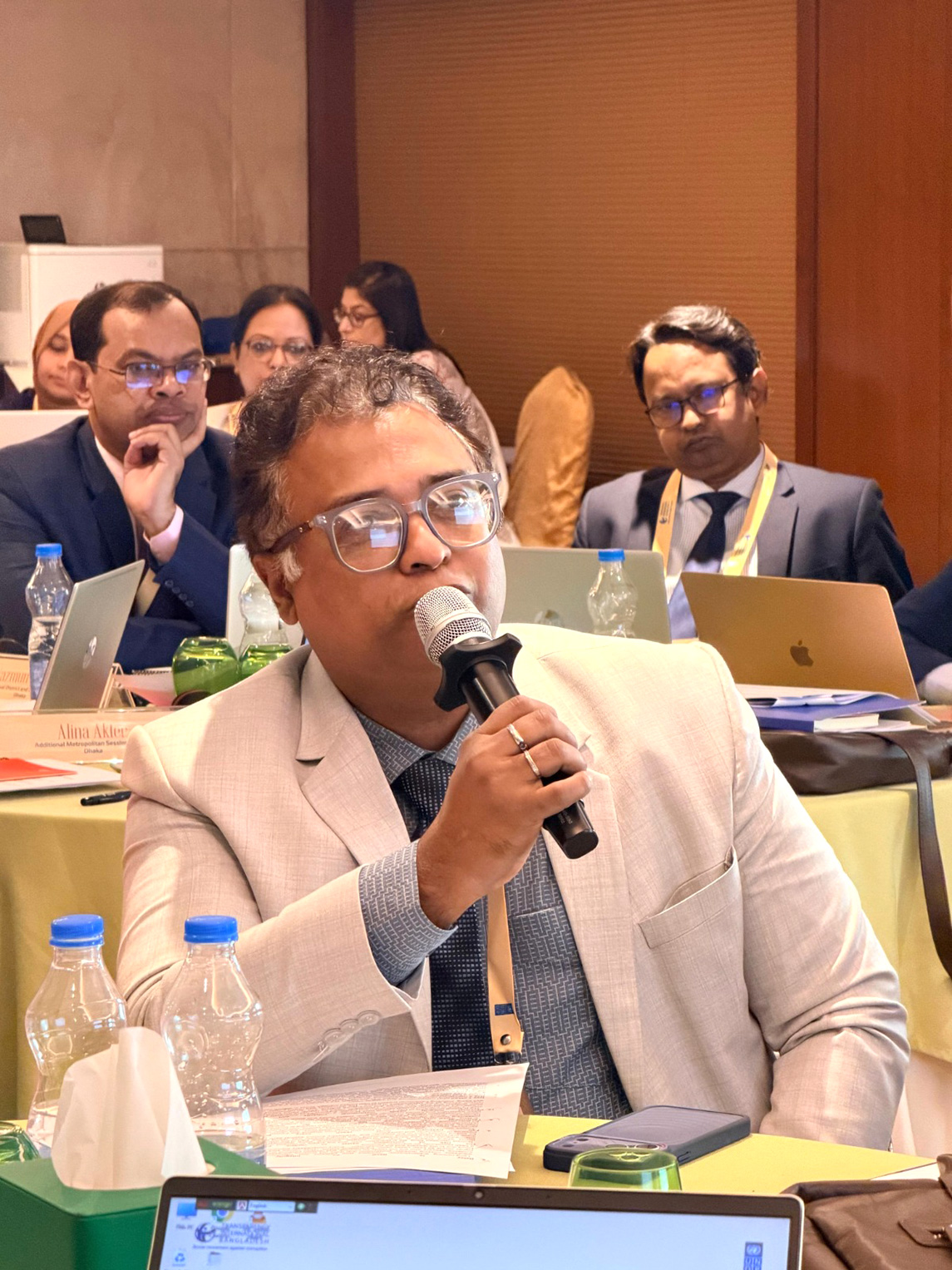
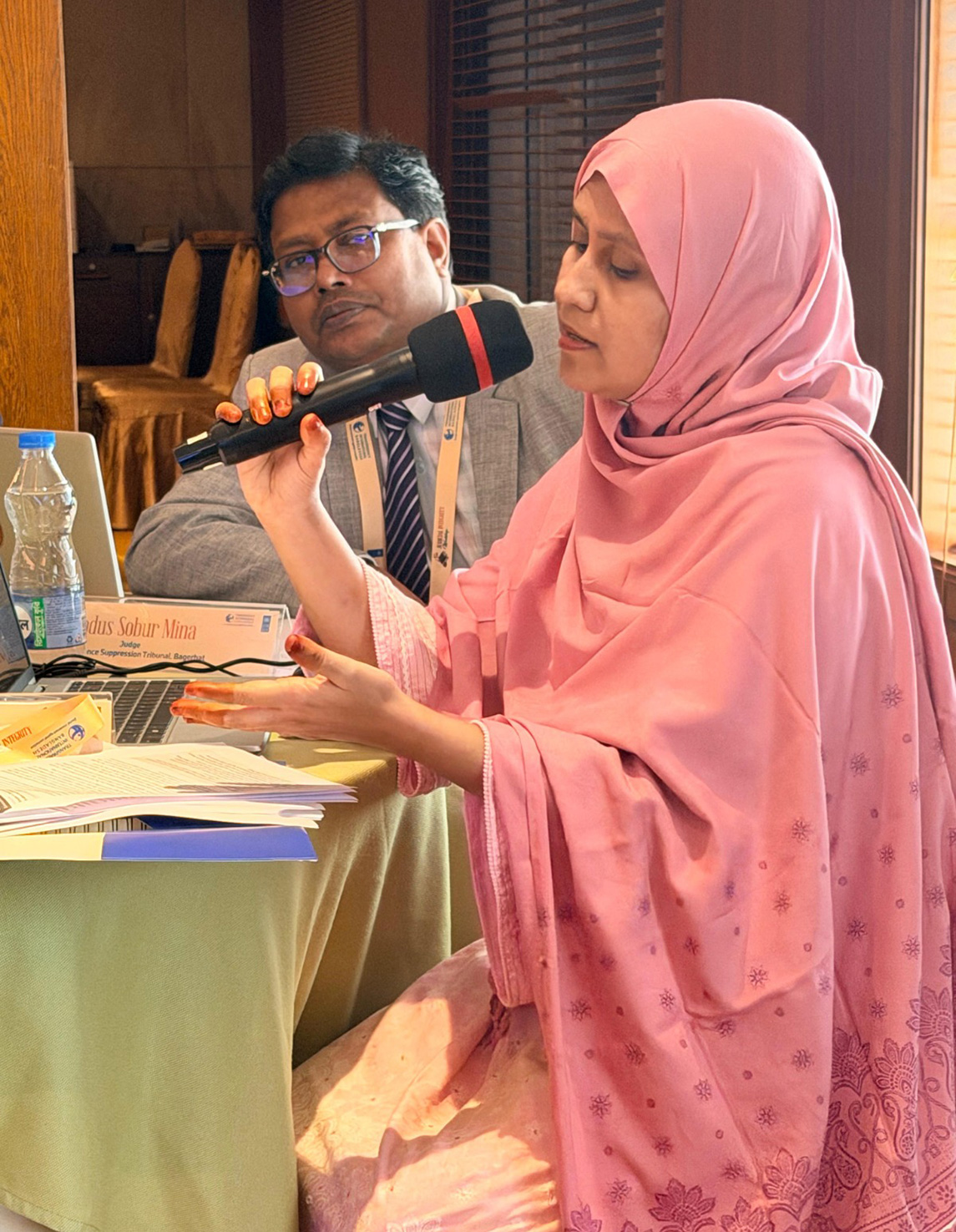

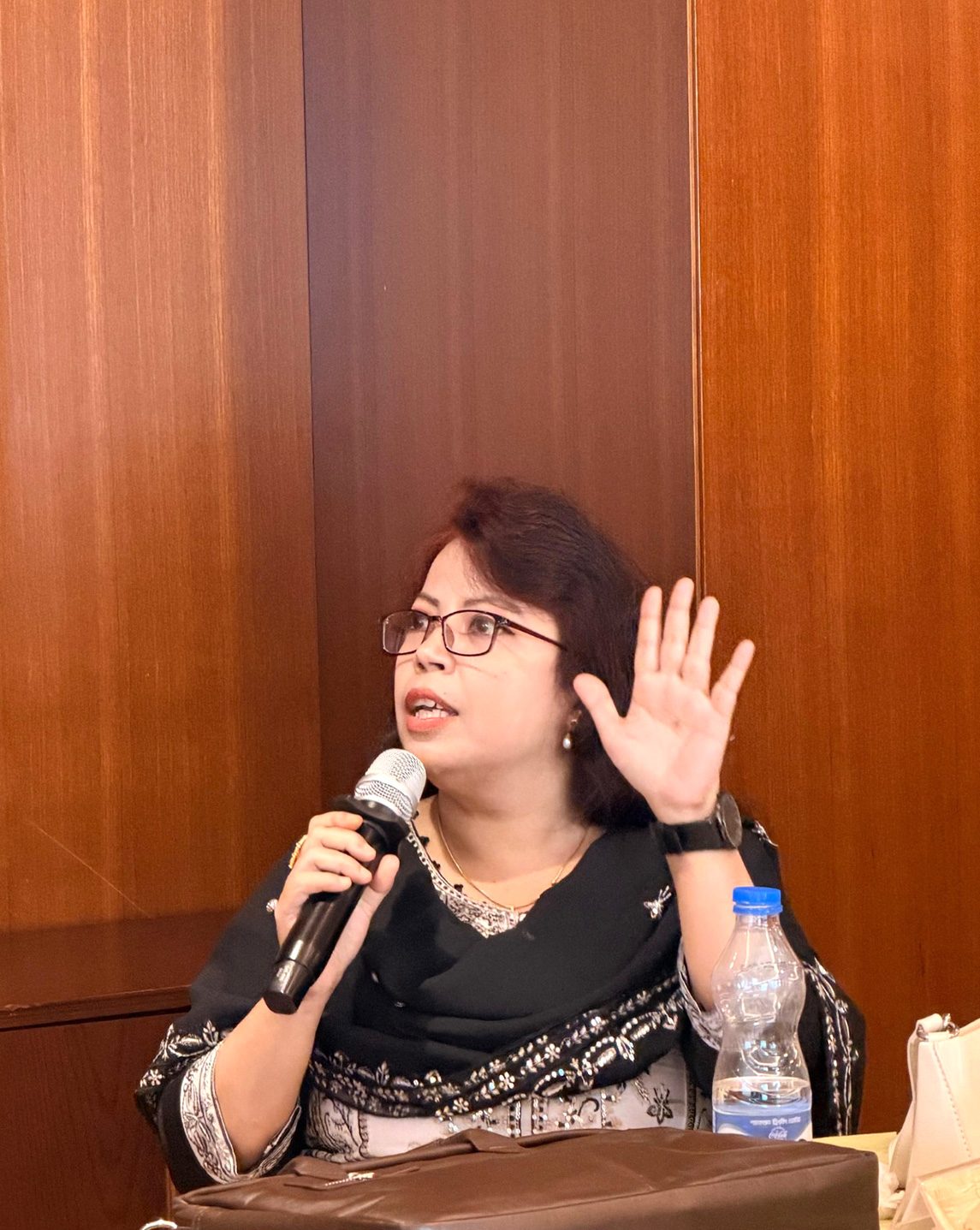
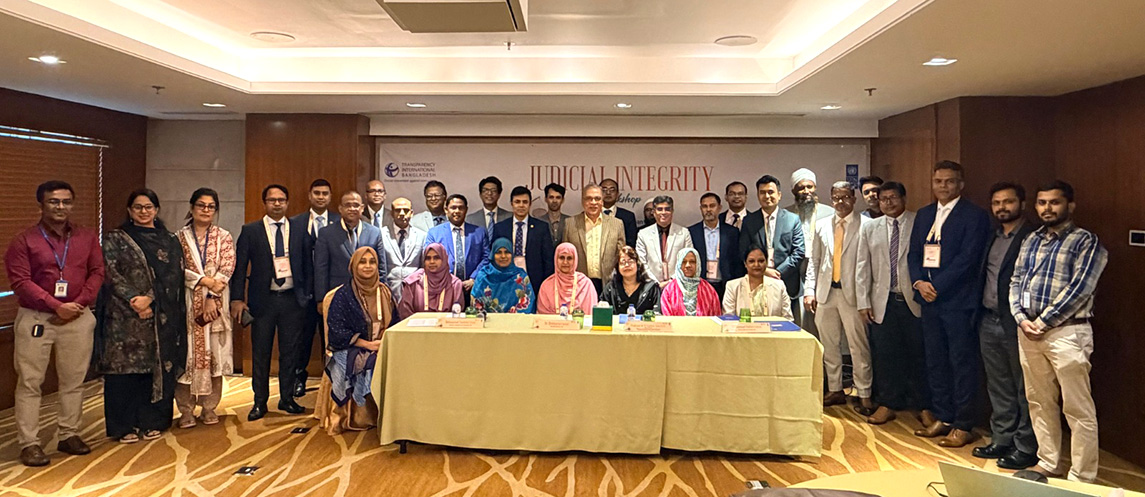
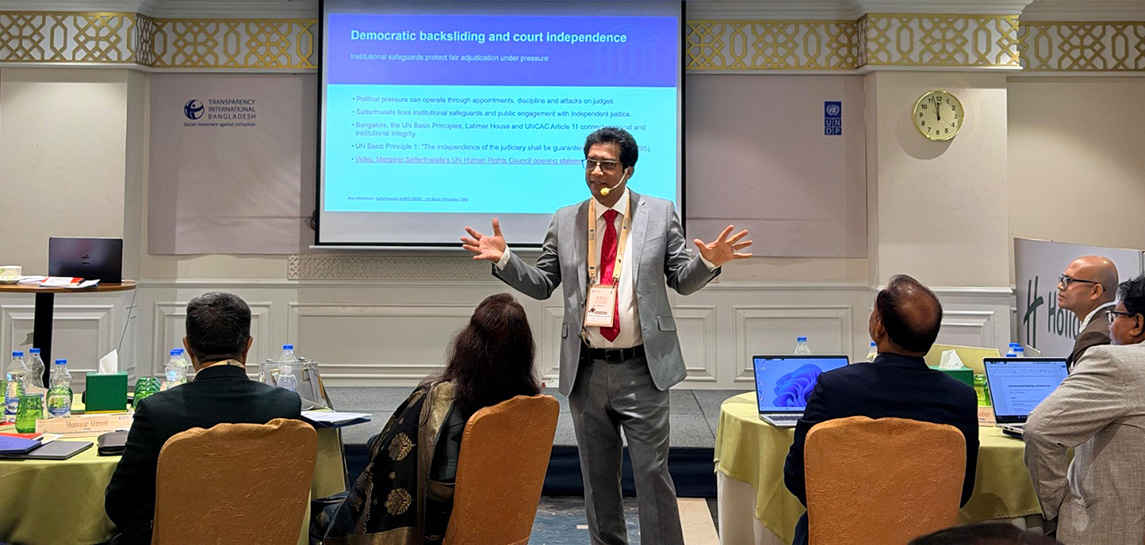
The room was in Dhaka, and for three days in November it held 25 judges from subordinate courts across Bangladesh. Their office asks them to stay quiet in public. "We judges cannot speak anywhere," one of them said. Here, they could proceed, but only if everyone accepted the condition. Nobody would name a speaker, a court or a district.
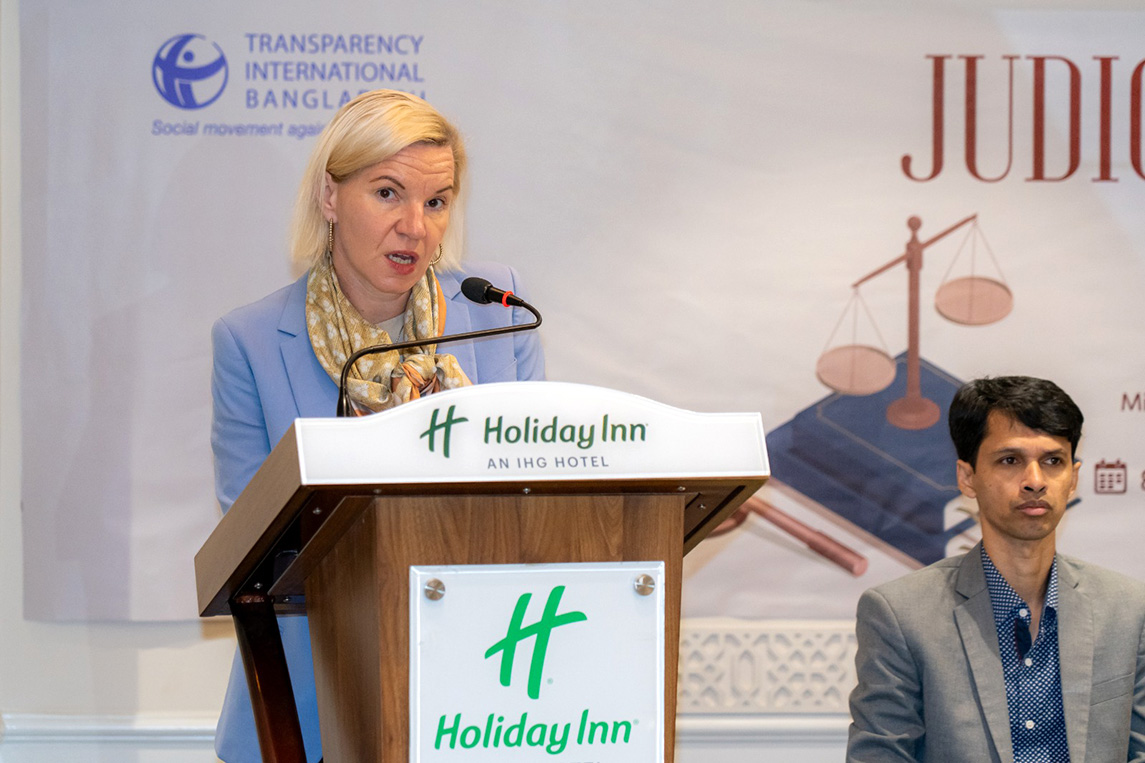
Transparency International Bangladesh (TIB) brought them together from 8 to 10 November 2026 with support from the United Nations Development Programme (UNDP) as part of the TIB-UNDP project "Integrity and Trust Building in Bangladesh's Judiciary". The Law and Justice Division nominated the judges with the permission of the higher judiciary. Md. Asaduzzaman, MP, Honourable Minister for Law, Justice and Parliamentary Affairs, joined the inaugural session as chief guest, with Romana Schwager of UNDP Bangladesh as special guest.
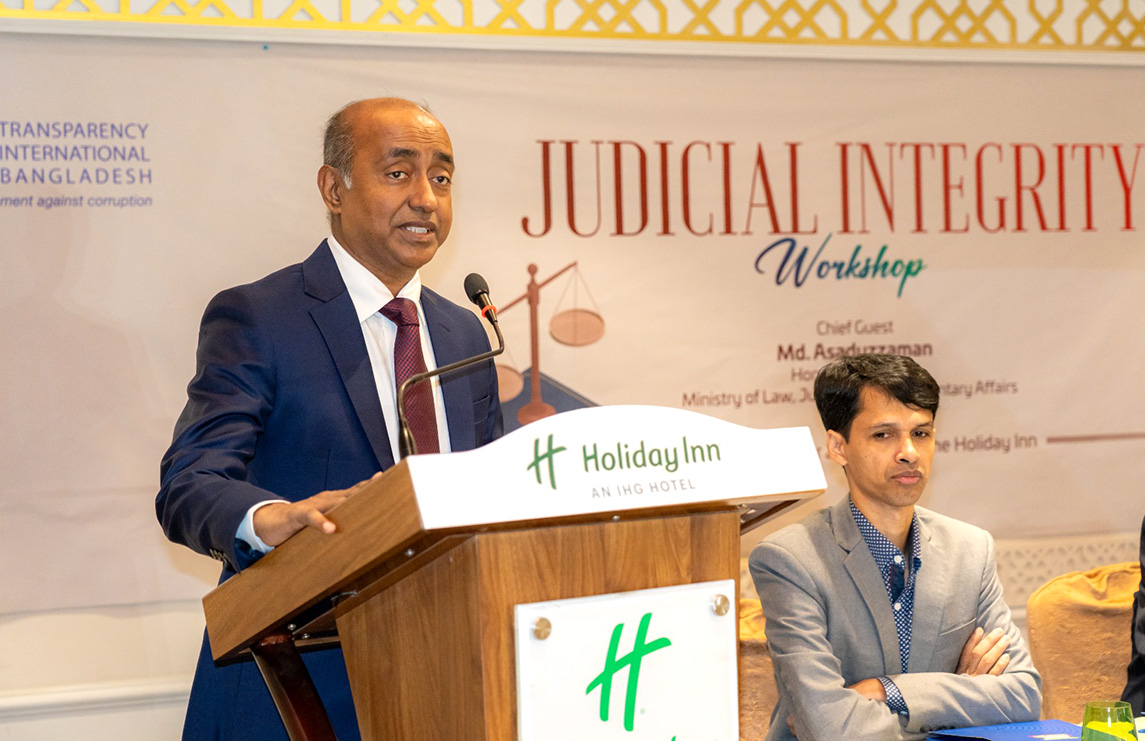
Prof. Dr. M. Shawkat Alam of Macquarie University, Australia, led the discussions and asked for a conversation in place of a lecture. People who are asked to reflect on themselves usually turn defensive and look for someone else to blame, he told the judges on the last day. The judges in this room began with themselves.
They started from a principle that one group stated plainly. Judicial independence "is not a privilege for judges; it is a guarantee for citizens." From there they talked about the small moments where a court wins or loses public trust. A remark in a corridor before a bail hearing. A case file that goes missing when the accused is influential. An order sheet signed after the court has risen. The presiding judge answers for all of it, they said, and must supervise the court office strictly. A litigant deserves a respectful hearing and a quick decision without paying a bribe.

New tests are being introduced alongside the existing ones. The judges welcomed e-filing and online cause lists because they leave less room for manipulation. They were more careful about artificial intelligence, which helps with research but also invents authorities that do not exist. They concluded that AI may assist a judge and must never decide for one.
None of this rests on the judge alone, and that was the harder part of the conversation. A file passes through many hands before it reaches the bench. Staff lose records or take money, lawyers ask for one adjournment after another, and prosecutors fail to bring witnesses. "Every unnecessary adjournment creates a fresh opportunity for improper influence," one participant said. Yet a presiding judge often has no power to discipline the staff of their court.

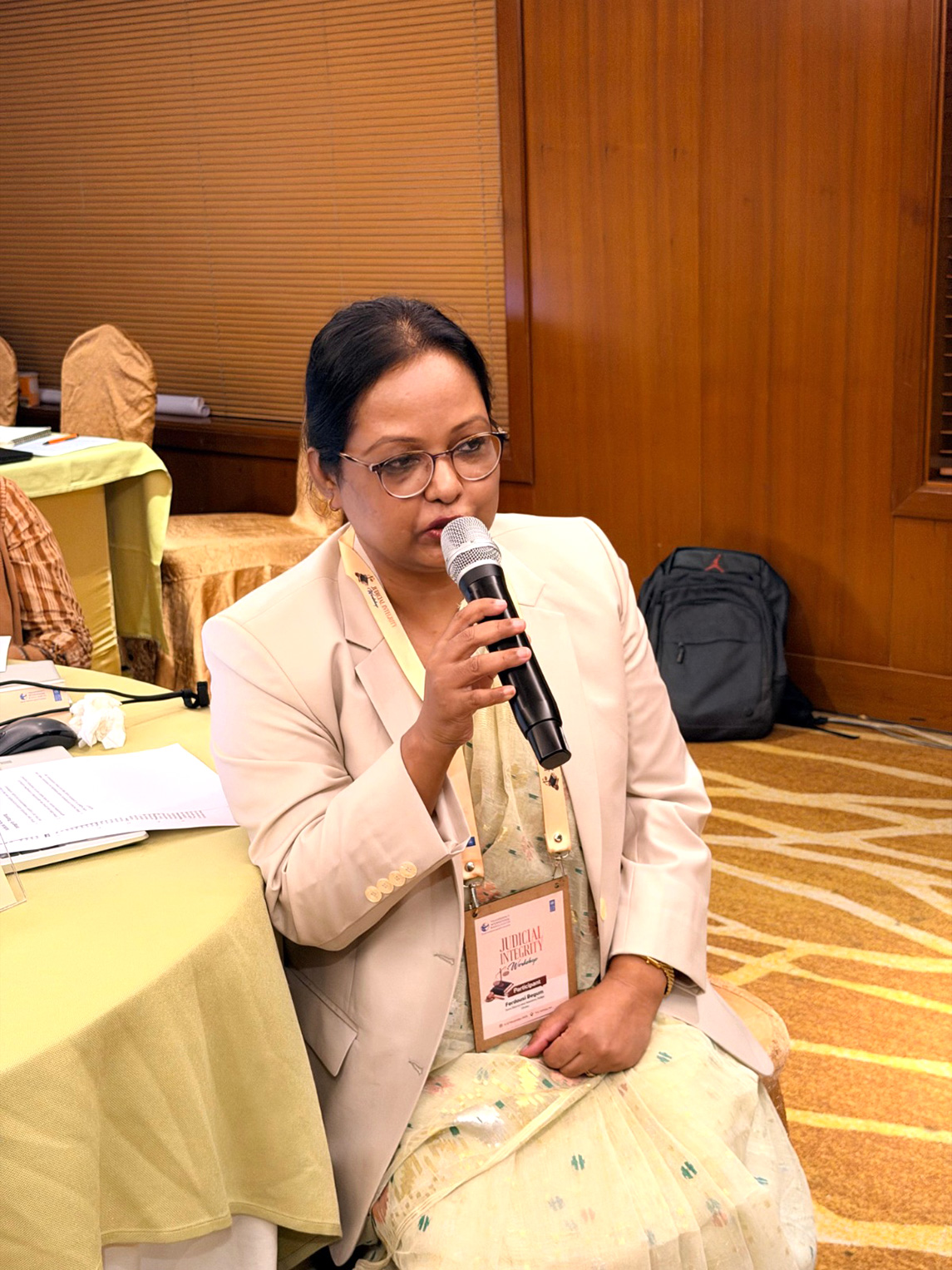

The judges described how this feels from the bench. A single court can carry thousands of cases with too few staff. Many judges take files home and work late into the night, often far from families that a posting has left behind. "If you place such high expectations on the courts, you must at least give us the resources," one judge said.
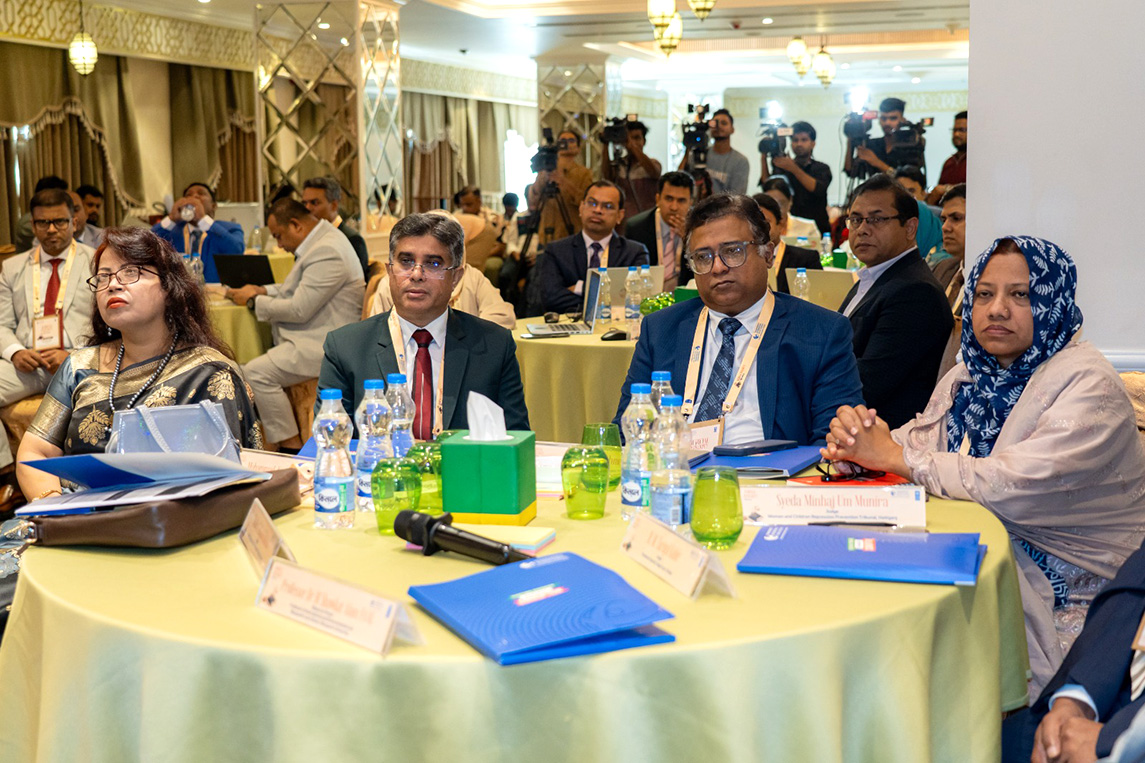
Dr. Iftekharuzzaman, Executive Director of TIB, took up that point while handing over the certificates to the participating judges at the workshop. "The governance deficit in the existing ecosystem of the judiciary has to be broken down completely and rebuilt," he said. TIB, he added, keeps up its advocacy with the government for positive steps to reform the judiciary.
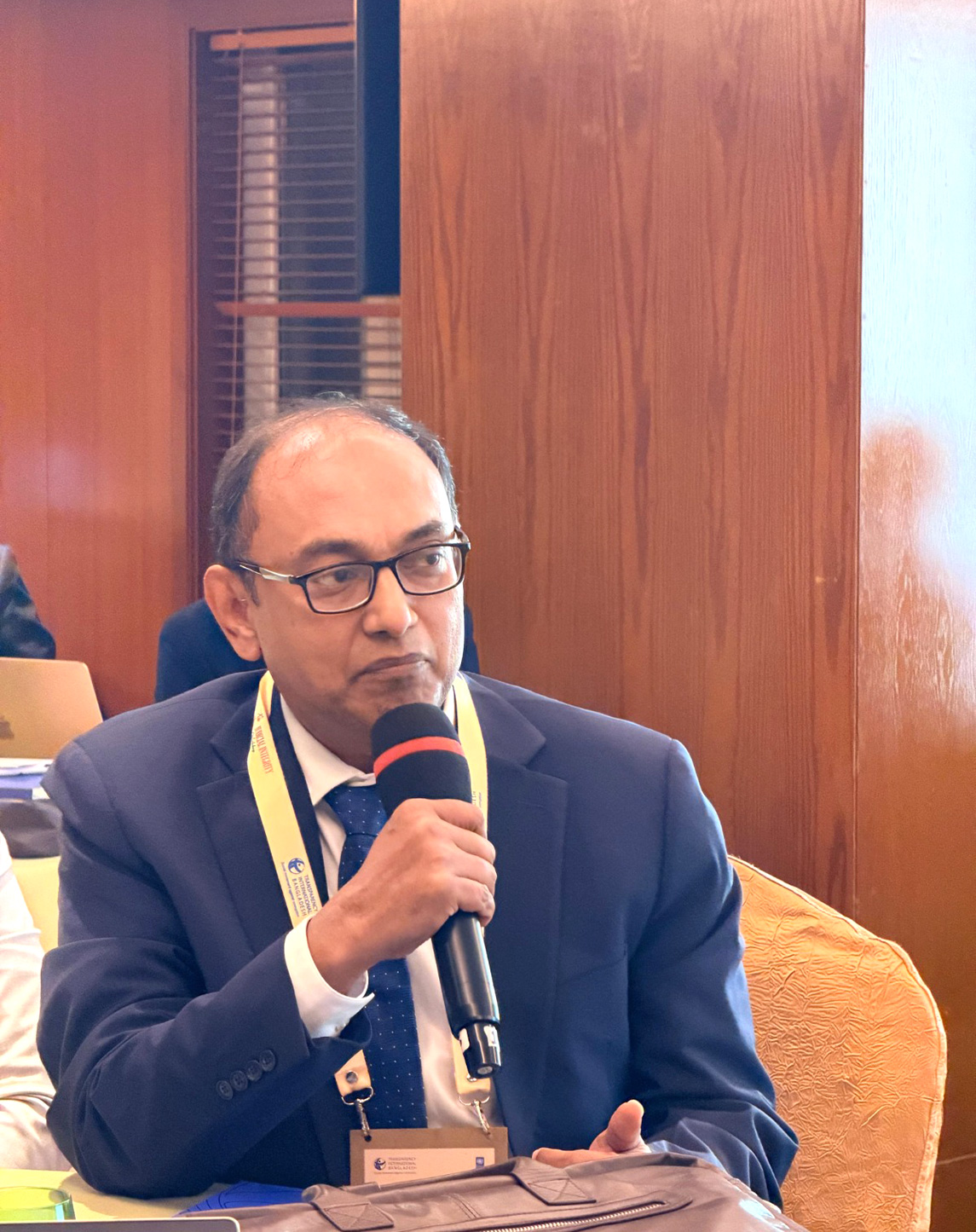
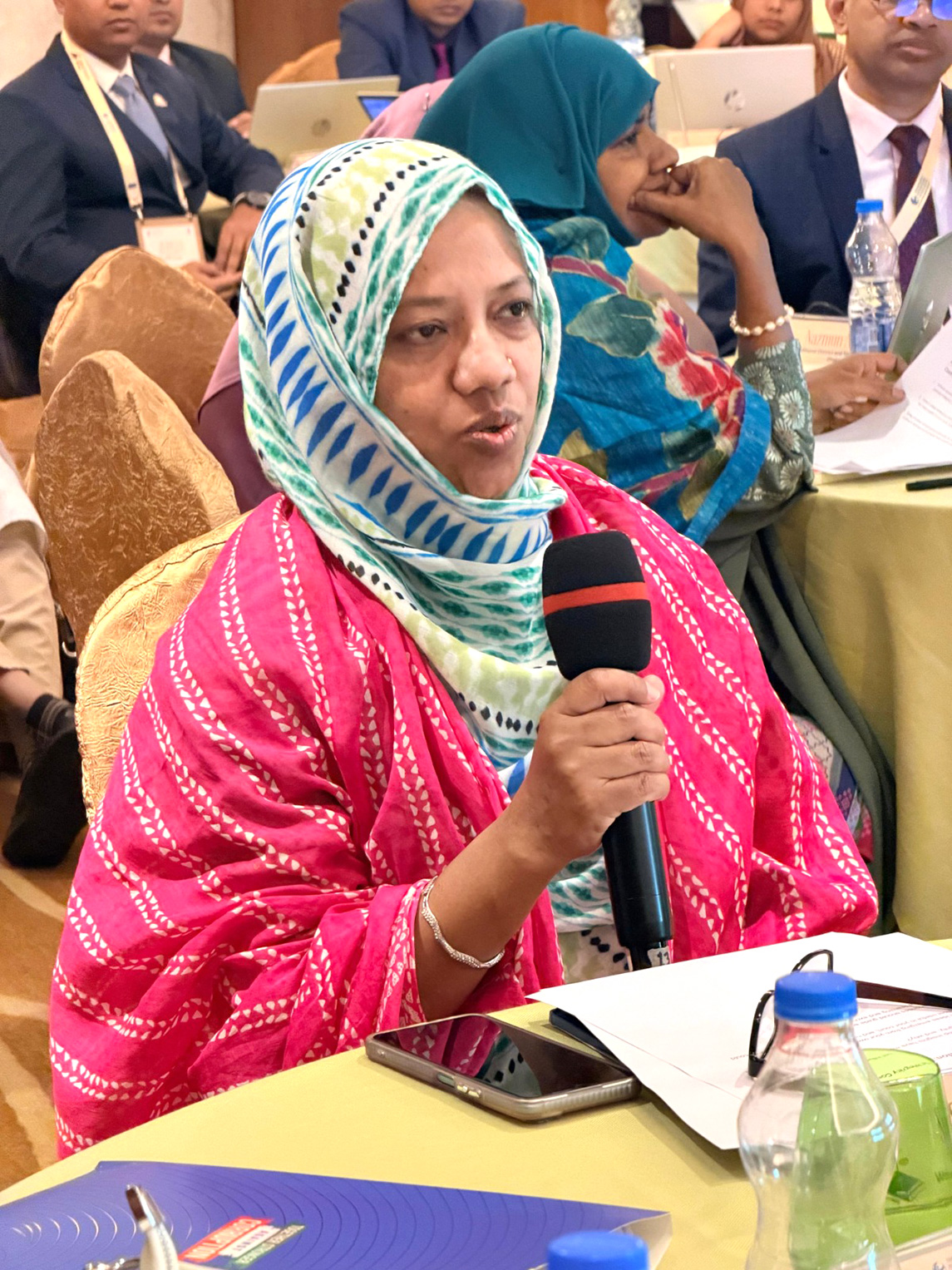
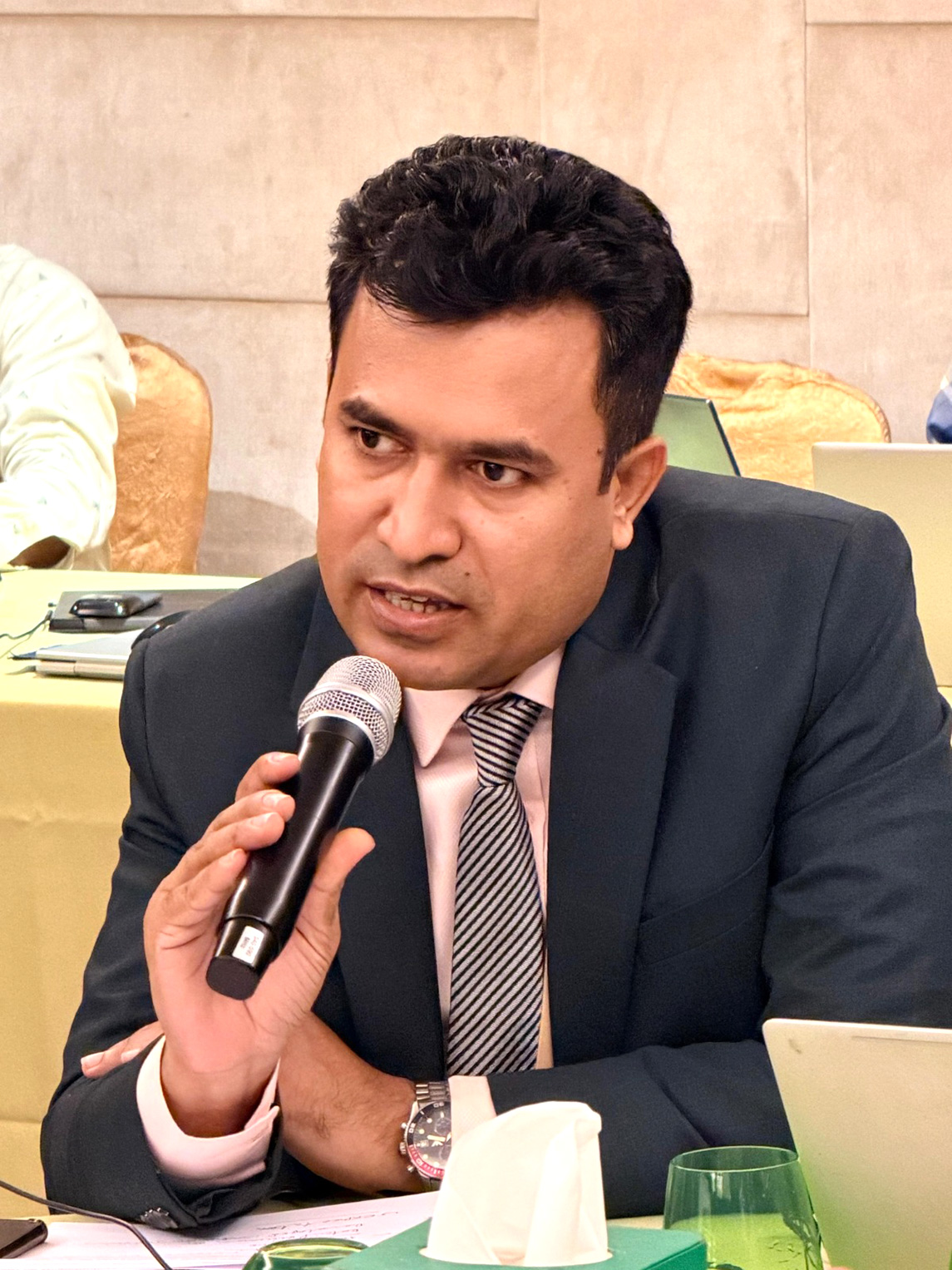
The judges went home with commitments of their own. They spoke of sitting on time, writing orders that the losing party can understand, and acting quickly on complaints. They asked for the same conversation to reach more judges and others who work in the justice system.
Their closing message was that they are ready to do their part and that integrity will hold when lawyers, staff, supporting agencies, and resources move with them. That is when more people will leave a court veranda the way someone once did, with both hands raised.