Published: 20 August 2026
In Madhupur’s forest, Piren Snal, a young Garo man from Joynagachha village, lived with his wife and two children. His family had depended on and cared for the forest and its land for generations. Their ancestral land was both their home and the basis of their livelihood. As the family’s sole breadwinner, Piren relied on the land to support them.
On 3 January 2004, he learned that forest officials, accompanied by law enforcement personnel, had arrived in nearby Jalabada to continue building a boundary wall for an “Eco-Park.” The project threatened to enclose nearly 3,000 acres of ancestral forest and restrict Garo and Koch families’ access to their homes, fields and livelihoods. Piren joined hundreds of Indigenous villagers protesting the project and defending land on which their communities had lived for generations.
During the protest, security forces opened fire. Piren was shot in the chest, and more than 25 other Indigenous protesters, including women and children, were injured. Piren did not return home to his family.
The Eco-Park project was eventually halted, but the underlying struggle remained. Across Bangladesh, Indigenous communities continue to face an unresolved question - who has the right to their ancestral land?
For decades, land disputes, displacement and insecurity have affected Indigenous communities in both the plains and the hills. Many communities follow customary systems of land ownership and use, supported by community recognition and oral tradition as well as formal documents. When these systems are not adequately recognised by law and public institutions, communities become more vulnerable to land grabbing, disputes and barriers to legal remedy.
This gap between customary systems and the formal land administration system is not simply a legal problem. It is also a governance problem. When institutions lack appropriate mechanisms to recognise customary ownership, resolve disputes and ensure accountability, communities can struggle to protect land that has sustained them for generations.
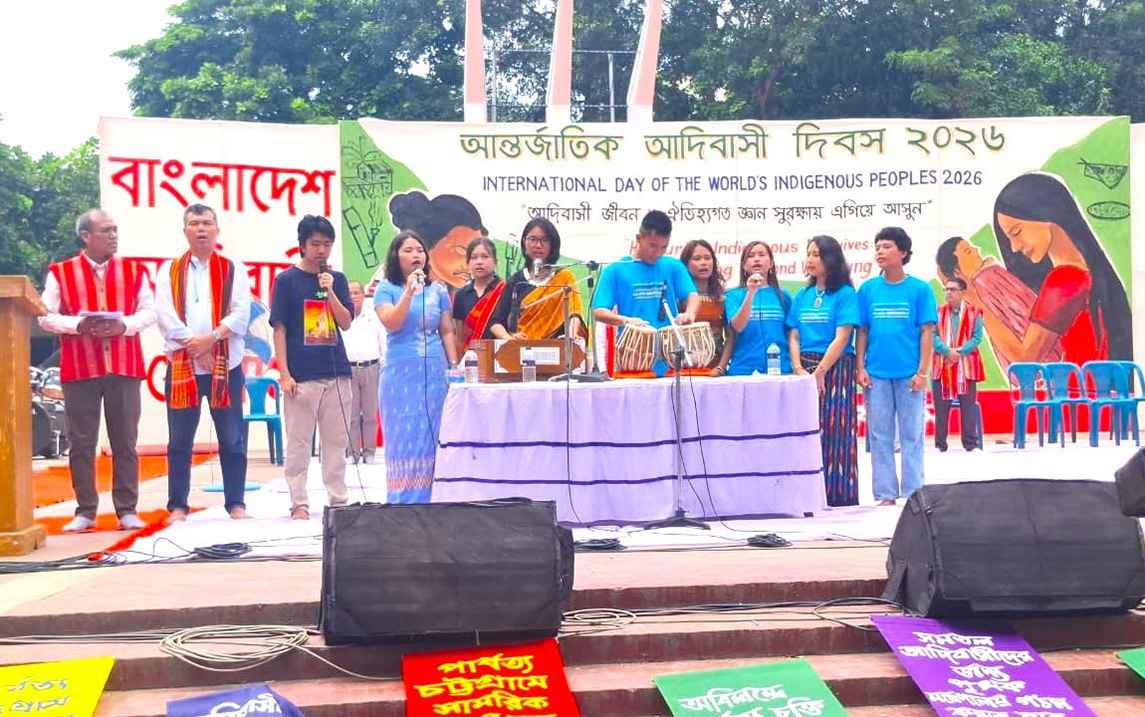
These continuing concerns bring Indigenous leaders, youth, human rights activists, academics and civil society organisations together each August to mark the International Day of the World’s Indigenous Peoples. Their shared focus is clear: recognition must be linked to practical protection of land, identity, culture and rights.
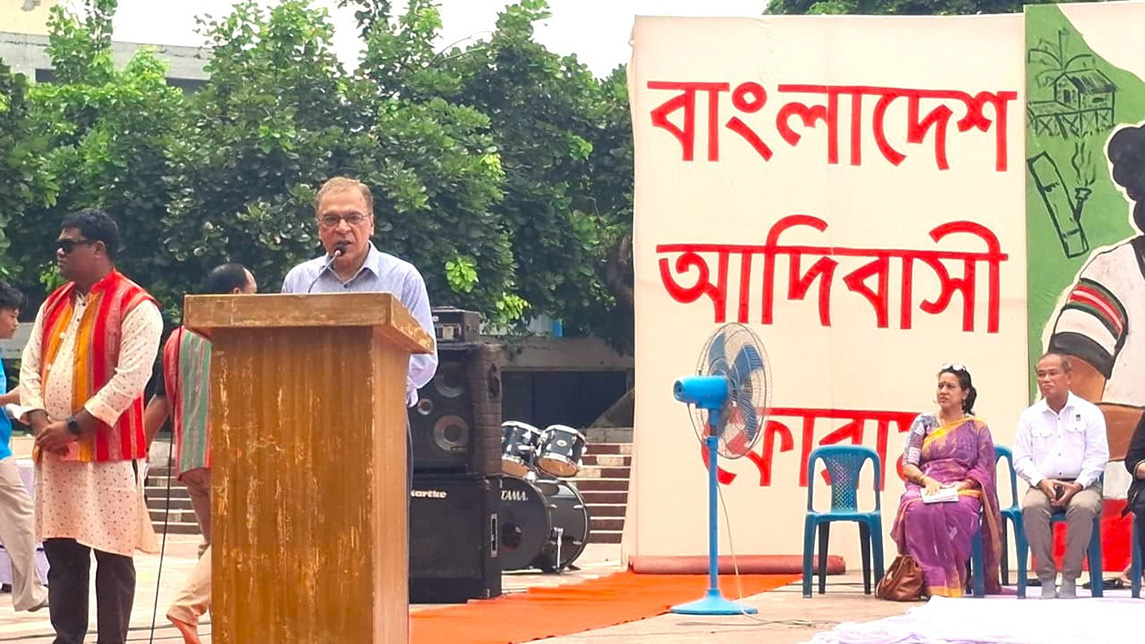
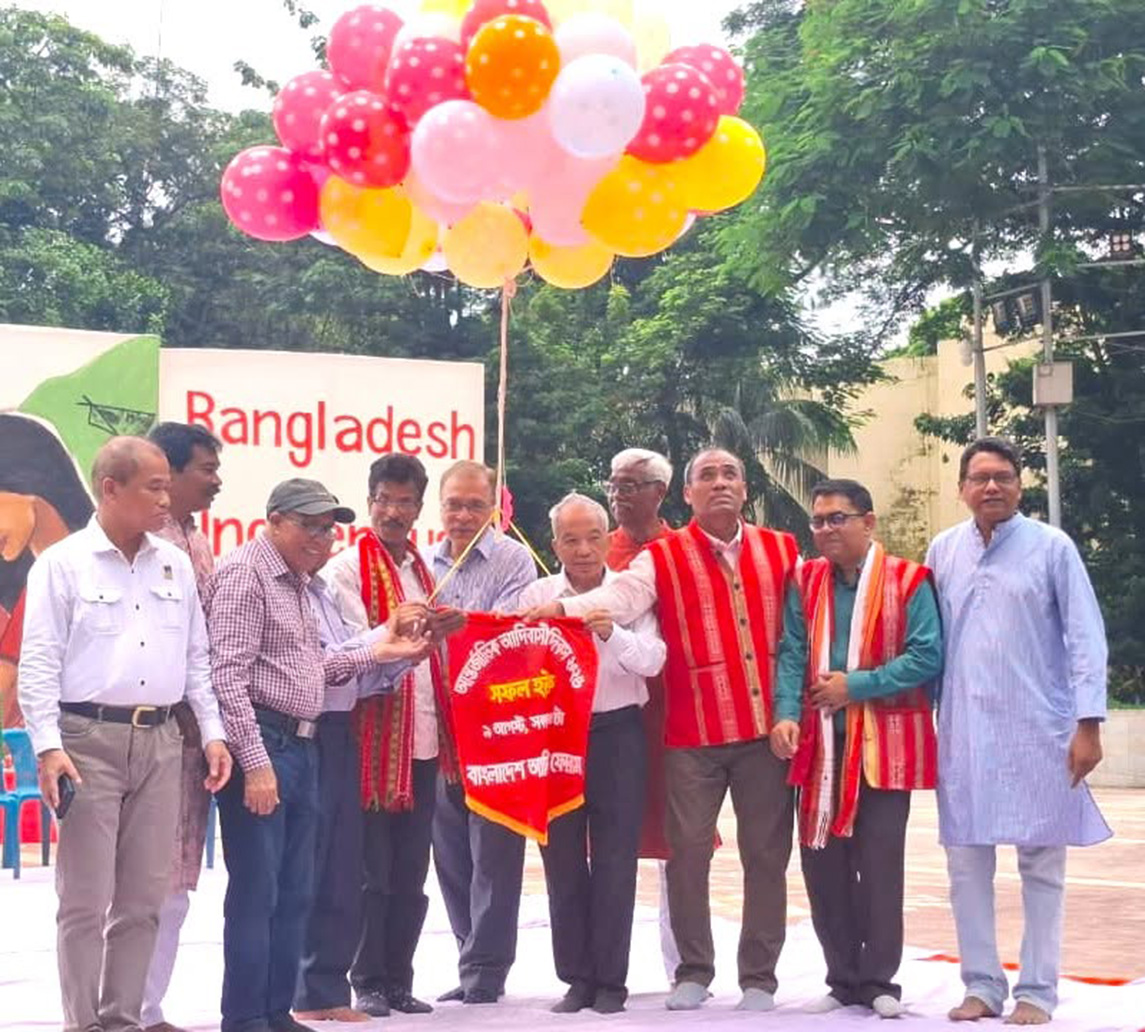
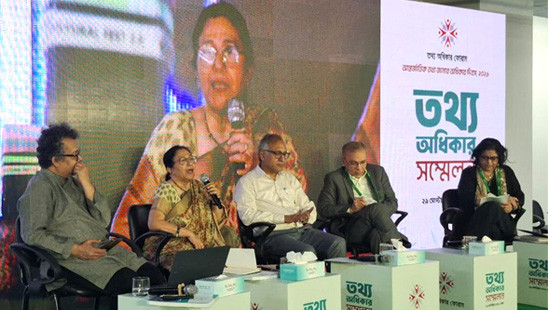
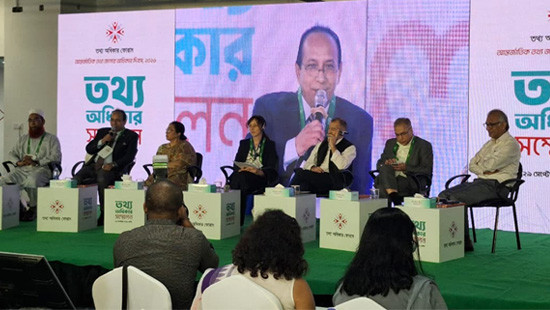
On 9 August, TIB joined the Bangladesh Indigenous Peoples Forum (BIPF), the country’s largest Indigenous rights platform, to place land justice, recognition and institutional accountability in public focus. This followed a 6 August discussion, “Indigenous Peoples: Life, Land Rights, and Respect for Culture,” organised by TIB, BIPF, the Association for Land Reform and Development (ALRD) and other civil society organisations. Across both events, speakers approached different aspects of the same concern: recognition must lead to effective legal and institutional protection.
When the Law Does not Adequately Protect Customary Land
The wider land sector in Bangladesh faces serious governance challenges. According to TIB’s National Household Survey 2025, 66.3% of households seeking land-related services experienced corruption, while the average amount paid in bribes among affected households was BDT 11,311. The figures illustrate how weaknesses in land administration can make an already vulnerable system even harder for citizens to navigate. For Indigenous communities, whose customary systems of land ownership are not adequately recognised, these governance gaps can make securing ancestral land even more difficult.
Land remains one of the most pressing areas of concern, as insecurity over land can threaten much more than just a family's livelihood. For Indigenous communities, ancestral land is often closely connected to cultural practices, community life and identity. One of the key demands raised during the August observances was therefore the legal recognition of Indigenous peoples’ customary land ownership.
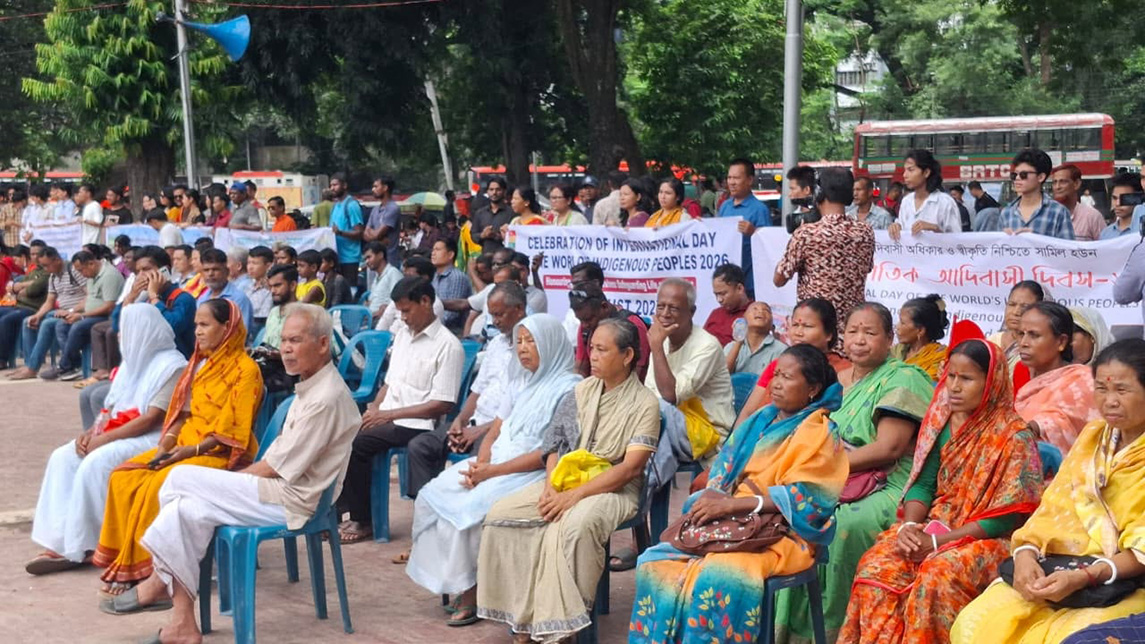
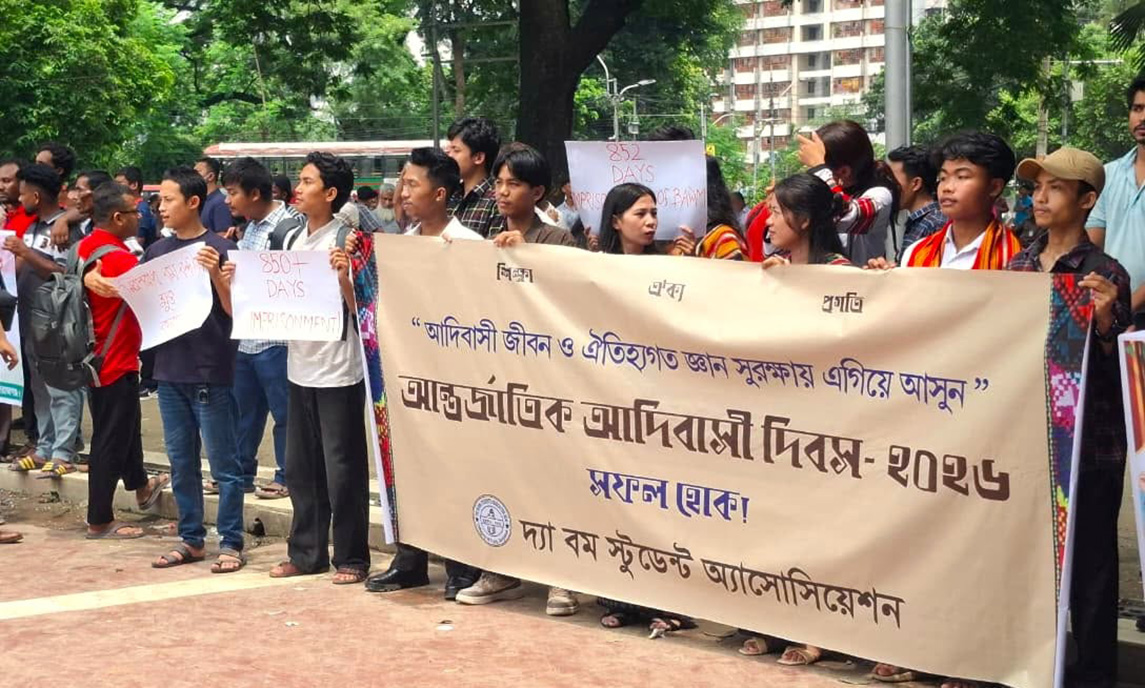
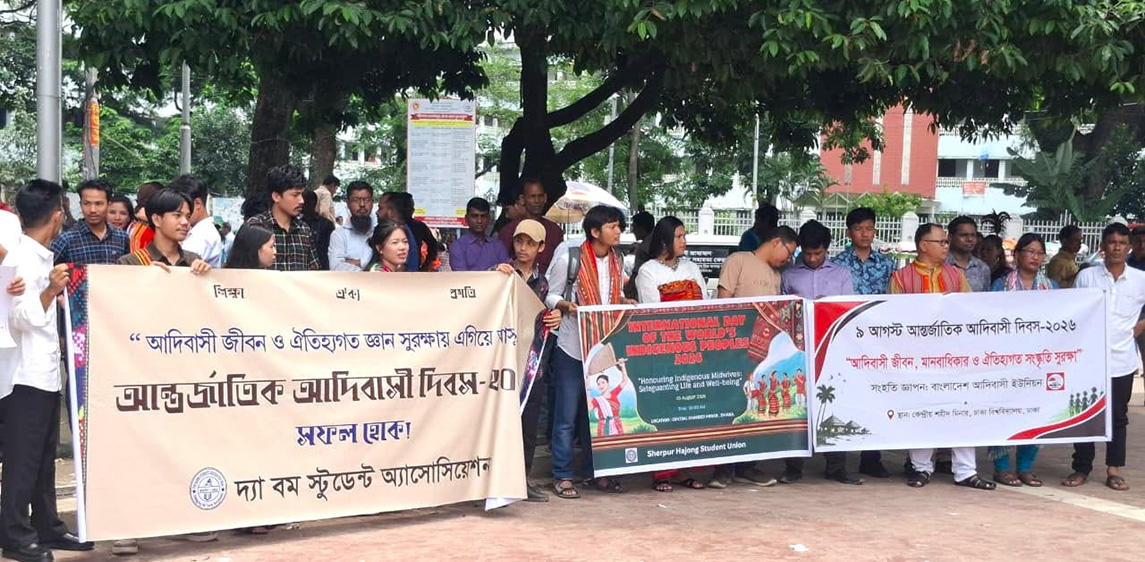
At the Central Shaheed Minar on 9 August, TIB Executive Director Dr. Iftekharuzzaman focused on the legal foundation of land protection. Expressing solidarity with Indigenous communities, he identified the lack of legal recognition of customary land ownership as a major weakness in the existing framework and called for reform so that this gap cannot be exploited to occupy or misuse Indigenous lands.
Legal recognition would give communities a stronger basis to defend ancestral land, seek remedies and protect the cultural practices connected to it. Dr. Iftekharuzzaman also stressed the importance of institutions capable of acting to support recognition. In the Chittagong Hill Tracts (CHT), he called for an enabling environment in which the Land Commission established under the CHT Peace Accord can function effectively and independently.
For Indigenous communities in the plains, the institutional gap is even more pronounced. They have long demanded a separate land commission to address their land-related problems. Such a commission could provide a dedicated institutional mechanism for resolving longstanding disputes, addressing grievances and improving access to justice. For communities living with uncertainty over ancestral lands, an effective mechanism could mean greater security, dignity and confidence in the institutions responsible for protecting their rights.
Recognition and an Inclusive Bangladesh
The discussion then moved from land protection to the broader question of recognition and inclusion. Across the 6 and 9 August observances, Dr. Iftekharuzzaman argued that recognising Indigenous identity and fundamental rights is essential not only for Indigenous communities, but also for ensuring equal rights for everyone in Bangladesh. He also called for this recognition to be aligned with the government’s election manifesto.
Other speakers reinforced this shared message while focusing on distinct areas of reform. Indigenous leaders, academics, researchers, policymakers and civil society representatives called for constitutional recognition, official observance of Indigenous Peoples’ Day, implementation of the CHT Peace Accord, a separate land commission for Indigenous peoples in the plains, and stronger institutions to protect their rights and welfare.
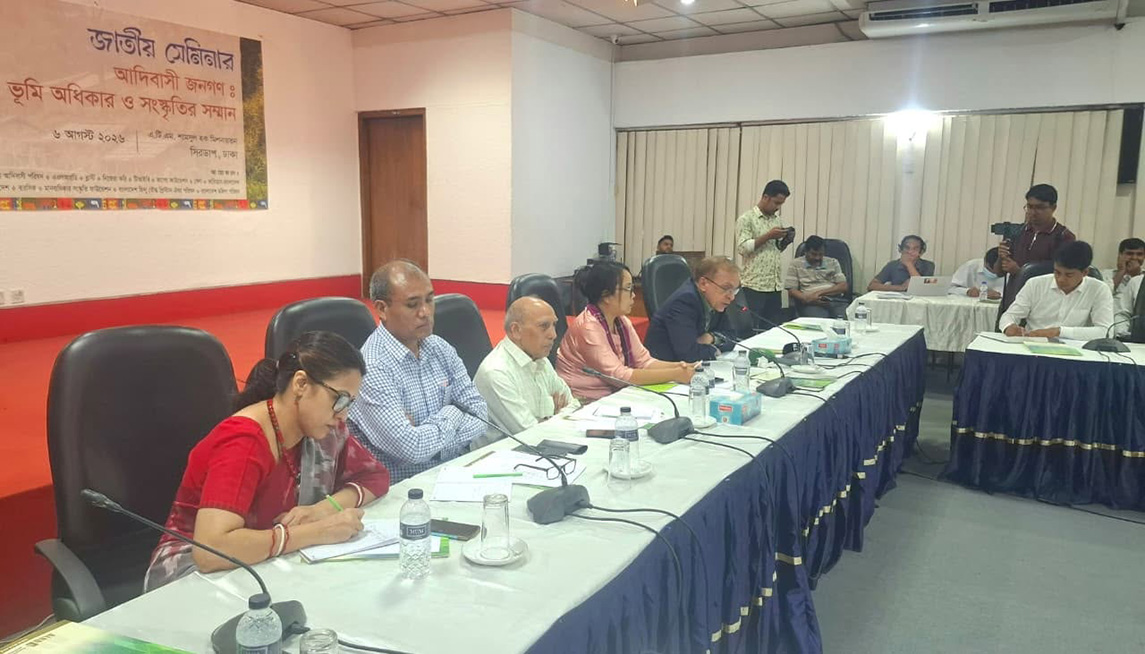
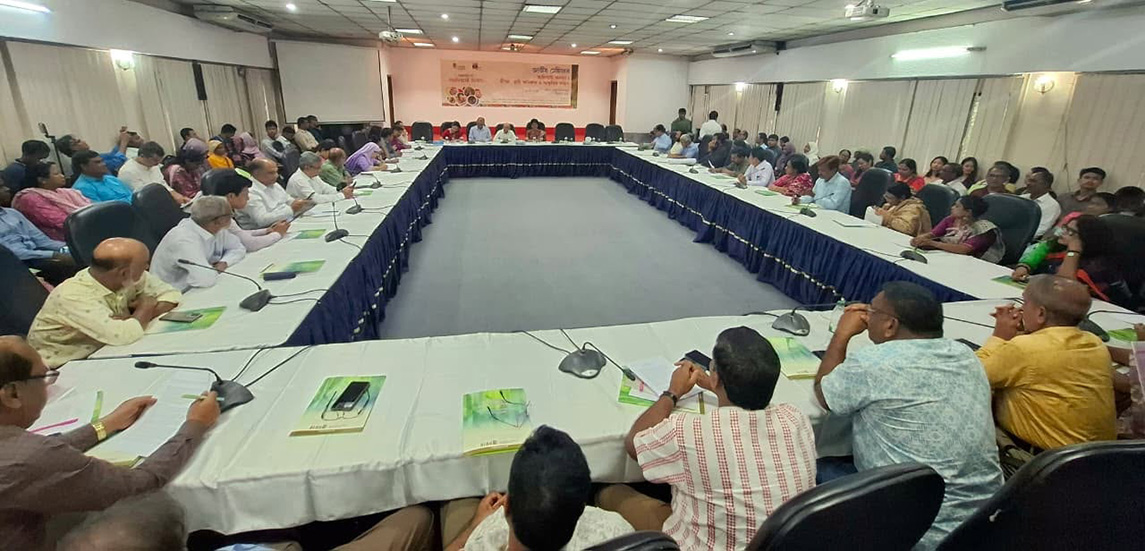
Focusing on the gap between international participation and domestic recognition, the ALRD Executive Director noted that Bangladesh participates in the UN Permanent Forum on Indigenous Issues (UNPFII) but does not officially observe Indigenous Peoples’ Day. The speaker therefore called for constitutional recognition and official observance of the day.
MP Advocate Madhubi Marma urged respect for Indigenous knowledge and practices while discussing culture and livelihoods. She highlighted Jhum cultivation in particular, urging support for its development while protecting the livelihoods and traditions connected to it.
BIPF General Secretary Sanjeeb Drong connected these demands to a wider vision of inclusion. Referring to a “Rainbow Nation,” he said that diversity should be embraced through mutual respect, tolerance, partnership and constitutional recognition, rather than treated as a source of division.
Together, these perspectives show that recognition is not merely symbolic. Legal recognition, effective institutions, protection of culture and respect for diversity are interconnected steps towards enabling Indigenous peoples to protect their rights, seek justice and participate equally in public life.
What could change?
The demands raised during the observances are not simply calls for new policies; they point to changes that could directly affect the lives of Indigenous communities. Legal recognition of customary land ownership, effective land commissions, and a time-bound roadmap for implementing the CHT Peace Accord could strengthen land security, improve access to justice, protect cultural identity and help rebuild trust between Indigenous communities and state institutions. When ancestral land is insecure, livelihoods, culture, community life and identity are all at risk. Protecting them therefore requires institutions that recognise Indigenous rights, respond to their grievances and remain accountable.
This is where good governance becomes essential. TIB’s engagement went beyond symbolic solidarity, supporting calls for legal and institutional reforms that can help Indigenous peoples claim their rights and secure justice. For Bangladesh as a whole, ensuring these rights is not only a question of Indigenous justice - it is a measure of whether governance, accountability and the rule of law truly work for everyone.