Published: 05 July 2026
What if community clinics could continue treating patients during floods even when electricity fails? Could artificial intelligence help ordinary citizens decide whether rooftop solar is worth investing in? Can coastal communities generate and manage their own clean energy while strengthening local livelihoods?
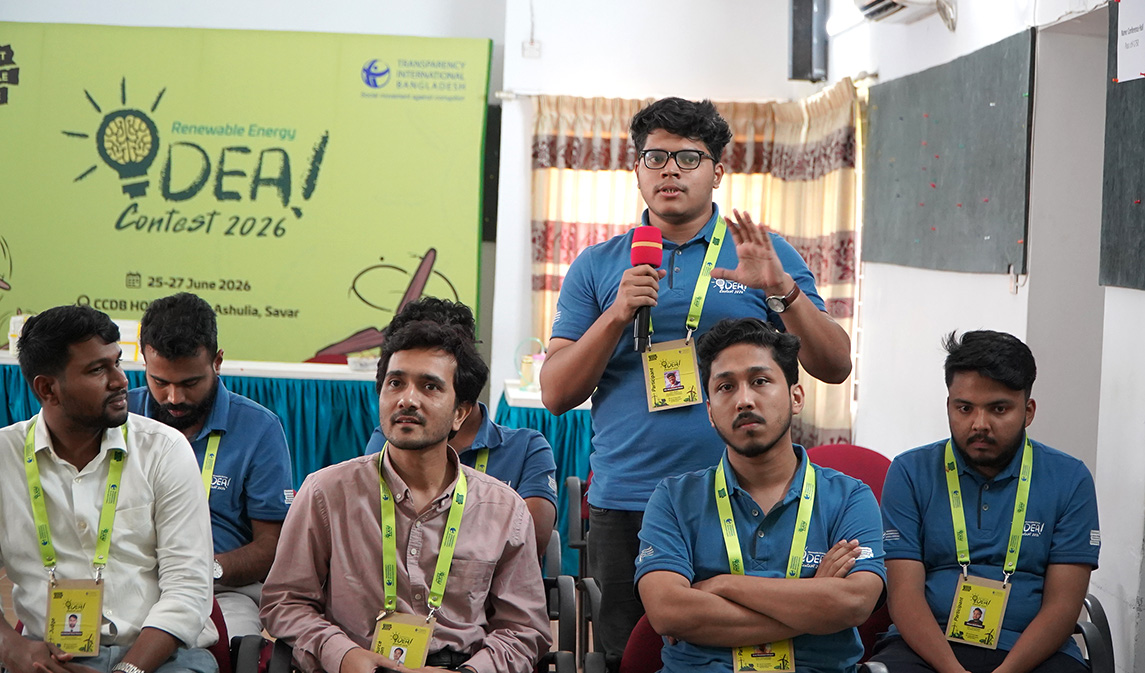
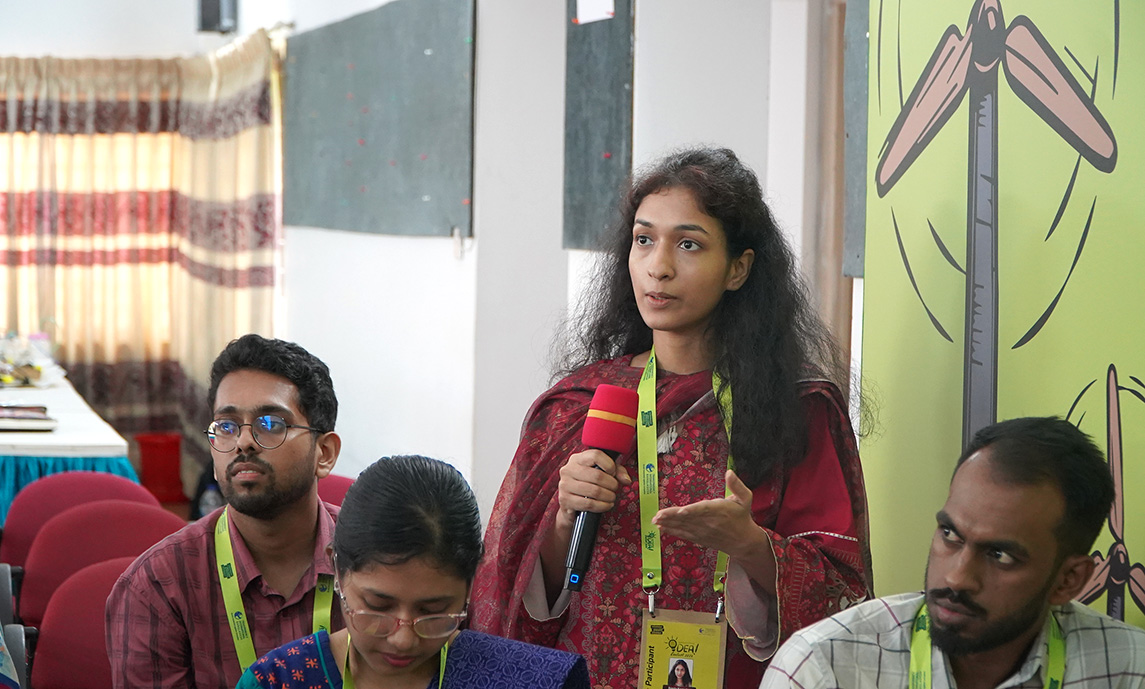
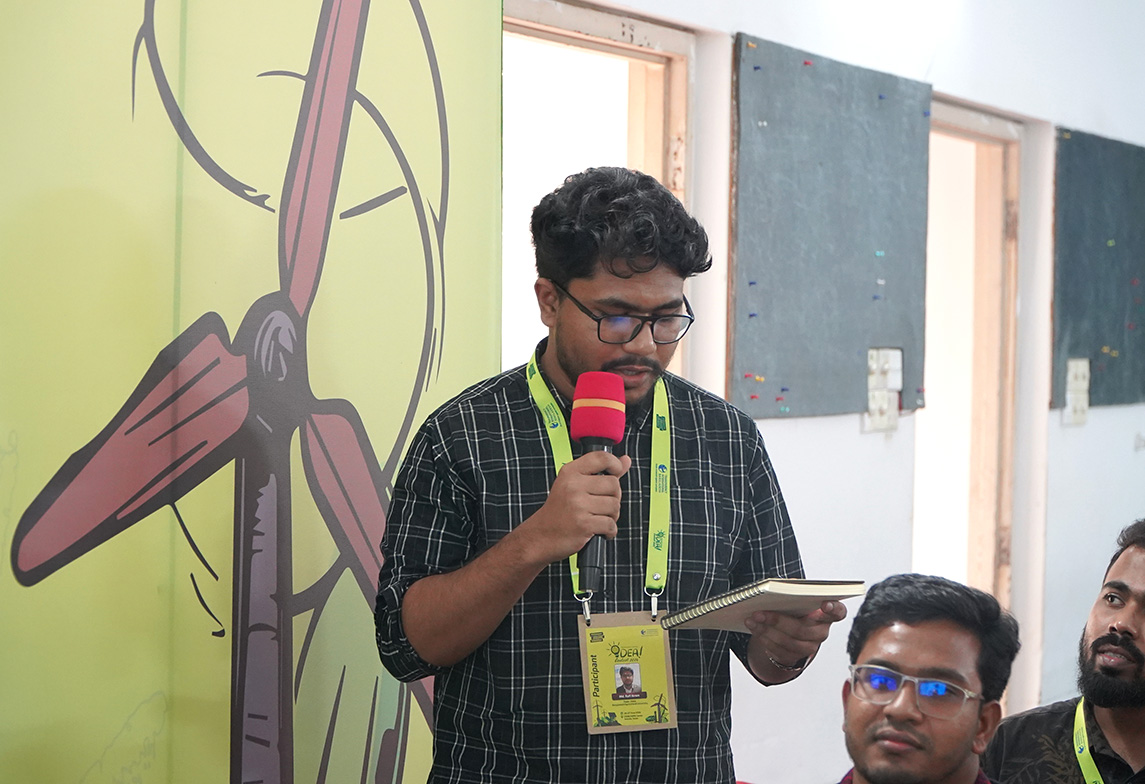
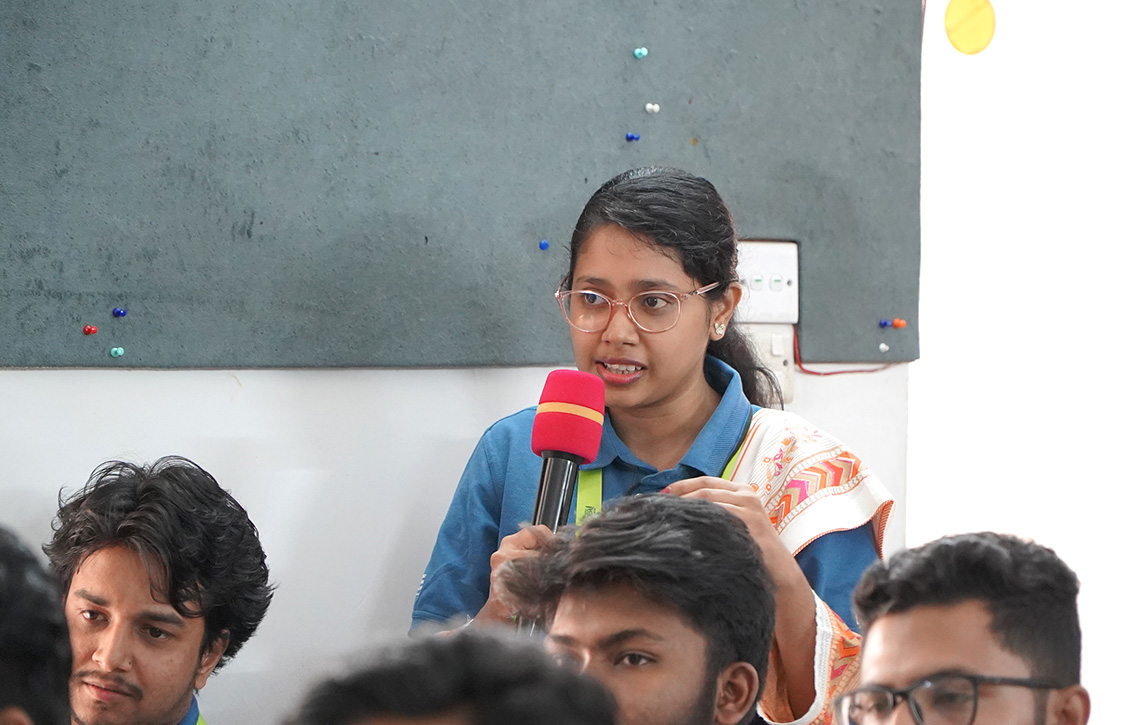
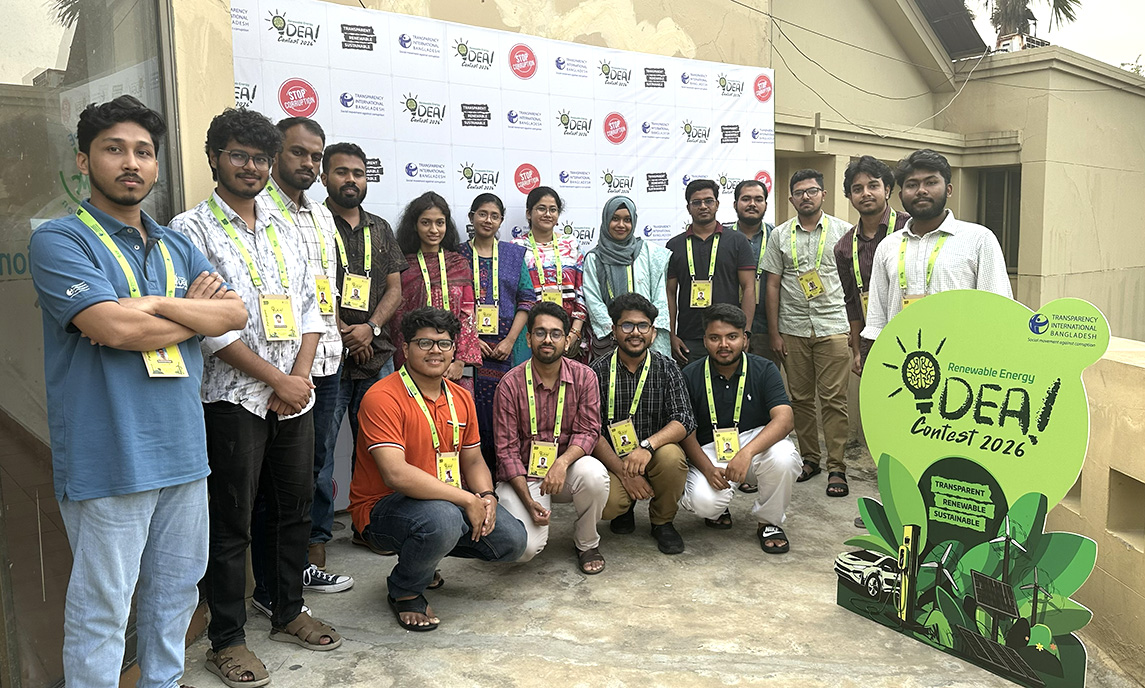
These were not hypothetical questions. They were among the ideas university students from across Bangladesh brought to Transparency International Bangladesh's (TIB) Idea Contest 2026. Together, they reflected something much bigger than a competition. They showed how a new generation is beginning to see renewable energy not simply as an alternative source of electricity but as a pathway to stronger public services, climate resilience, and better governance.
More importantly, they reflected something TIB believes deeply. Better energy governance is not built through policies alone. It is strengthened when young people are given the opportunity to question existing systems, explore new possibilities, and contribute solutions that respond to real challenges. The Idea Contest was designed with that purpose in mind. Rather than asking students to present ambitious technologies alone, it invited students to understand real problems, examine the governance challenges behind them, and develop ideas that were innovative, practical, and relevant to Bangladesh's realities.
The response was remarkable. More than 300 ideas were submitted from universities across the country. Although they came from different academic disciplines and regions, many arrived at a common realization. Bangladesh's renewable energy transition is about far more than electricity generation. It is connected to healthcare, agriculture, food security, climate adaptation, local economies, and the everyday lives of millions of people.
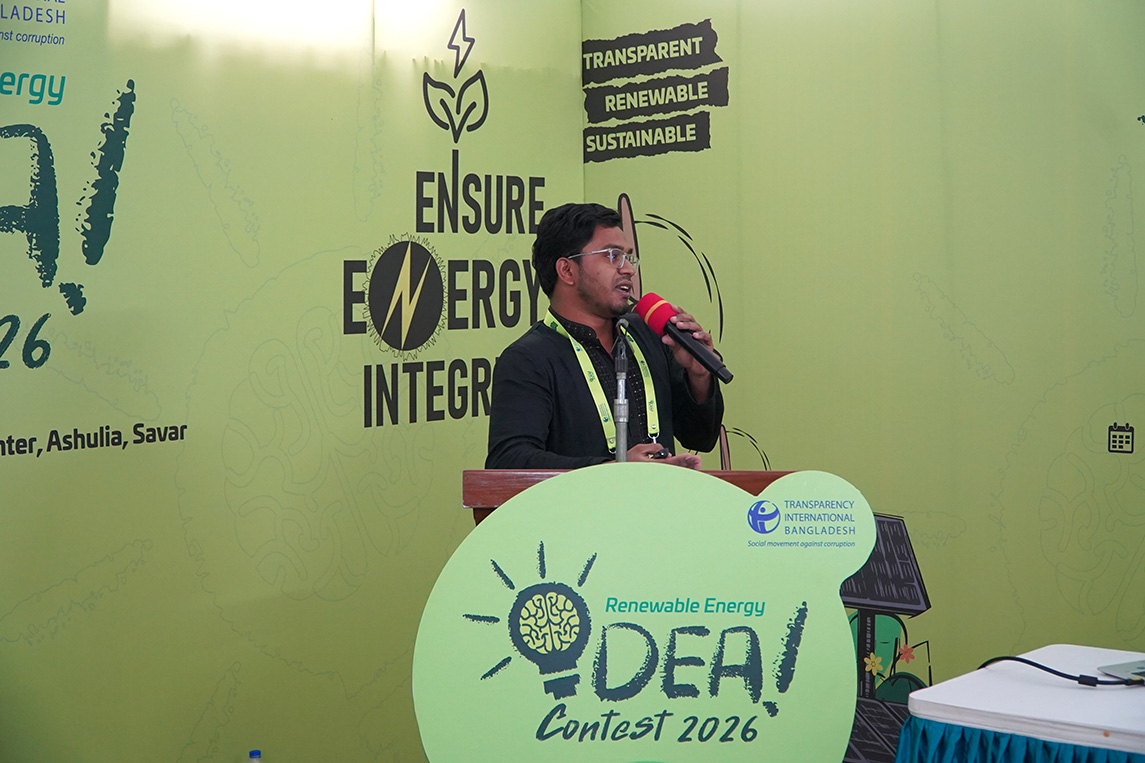
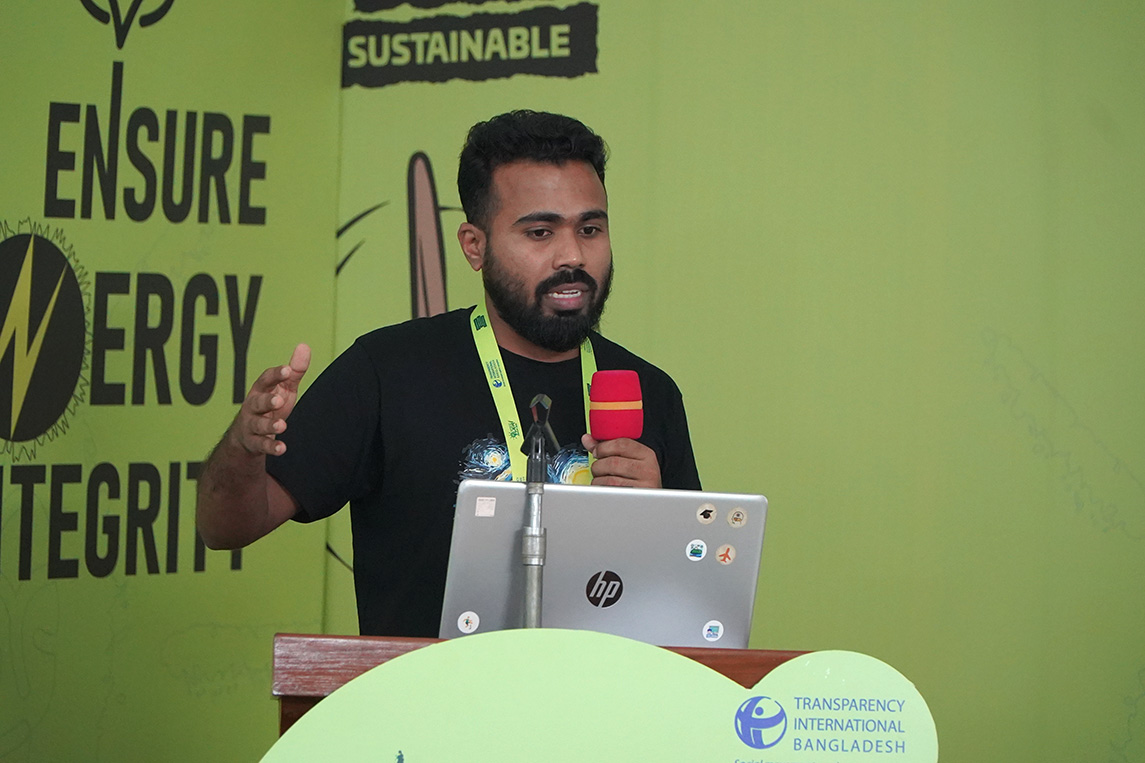
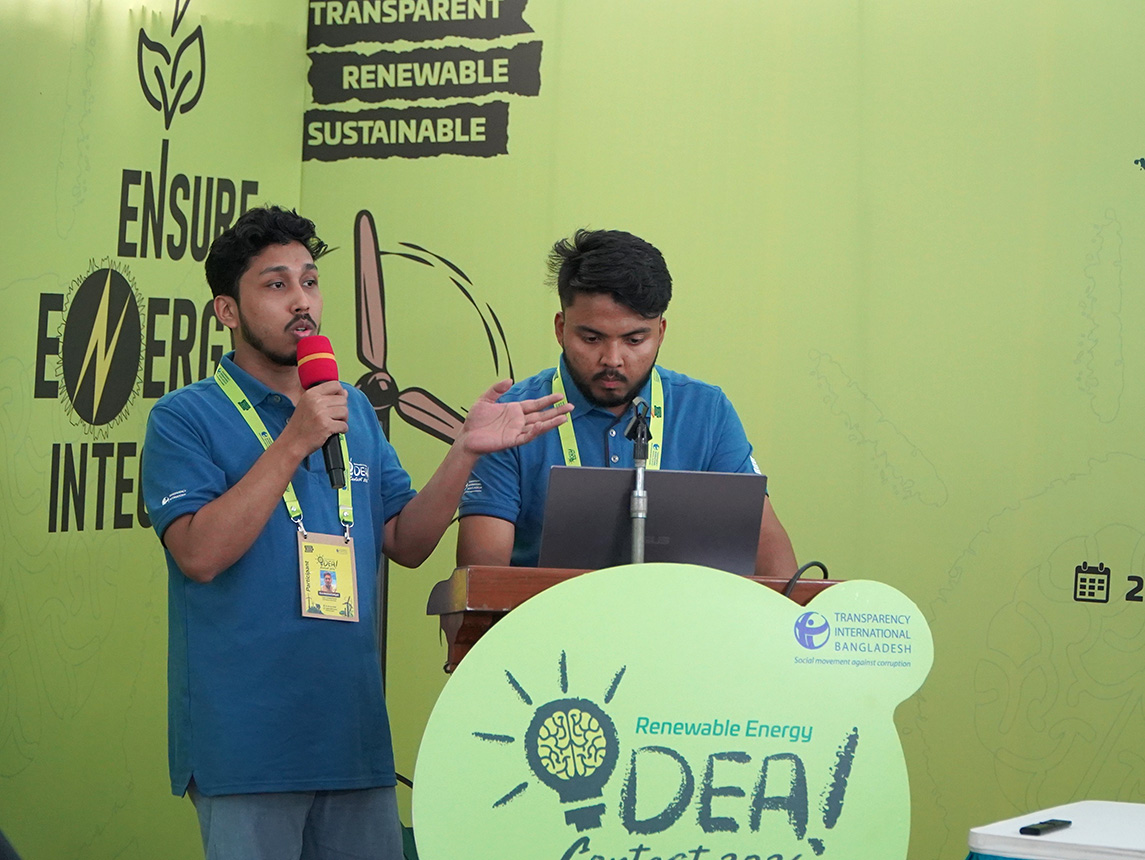
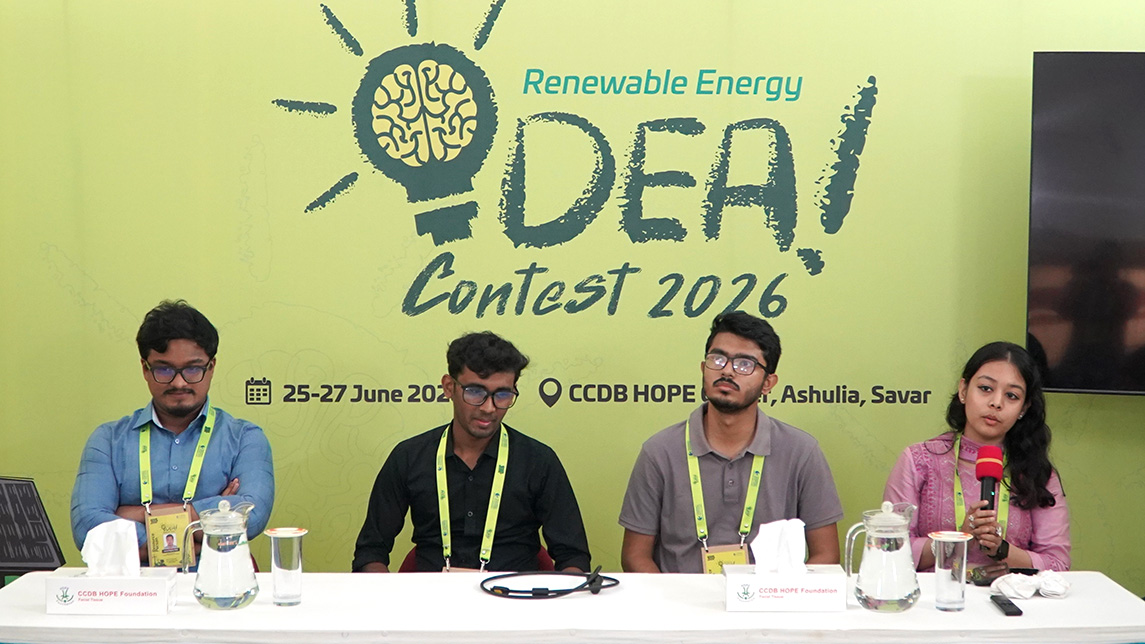
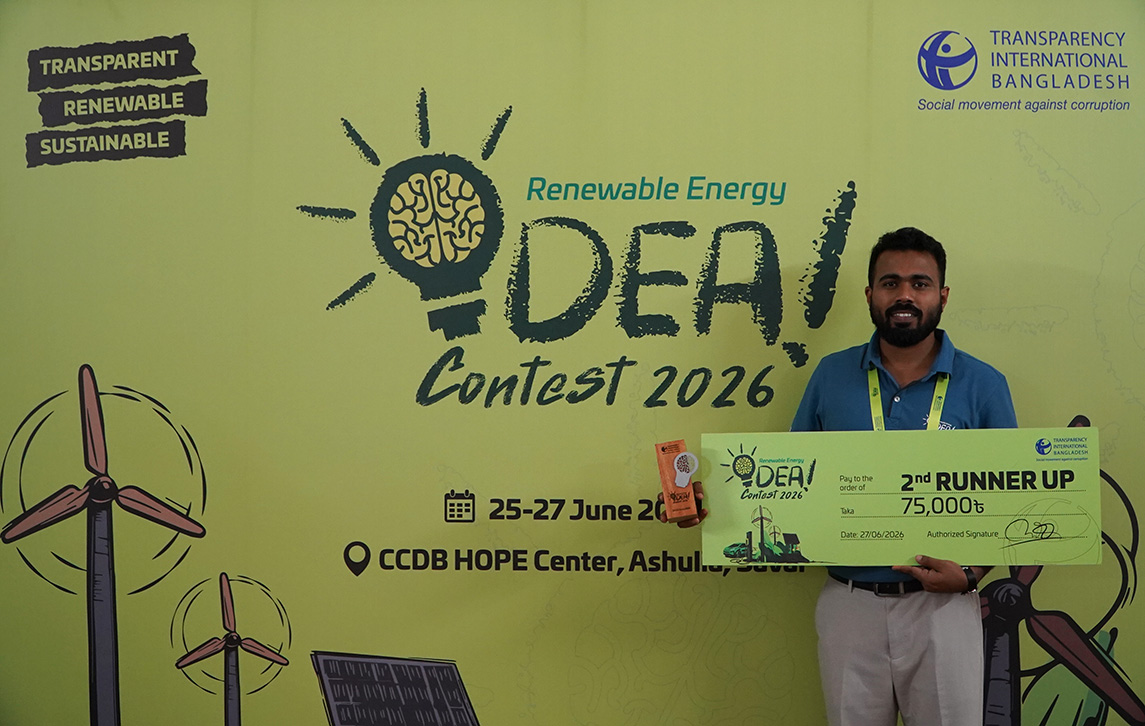
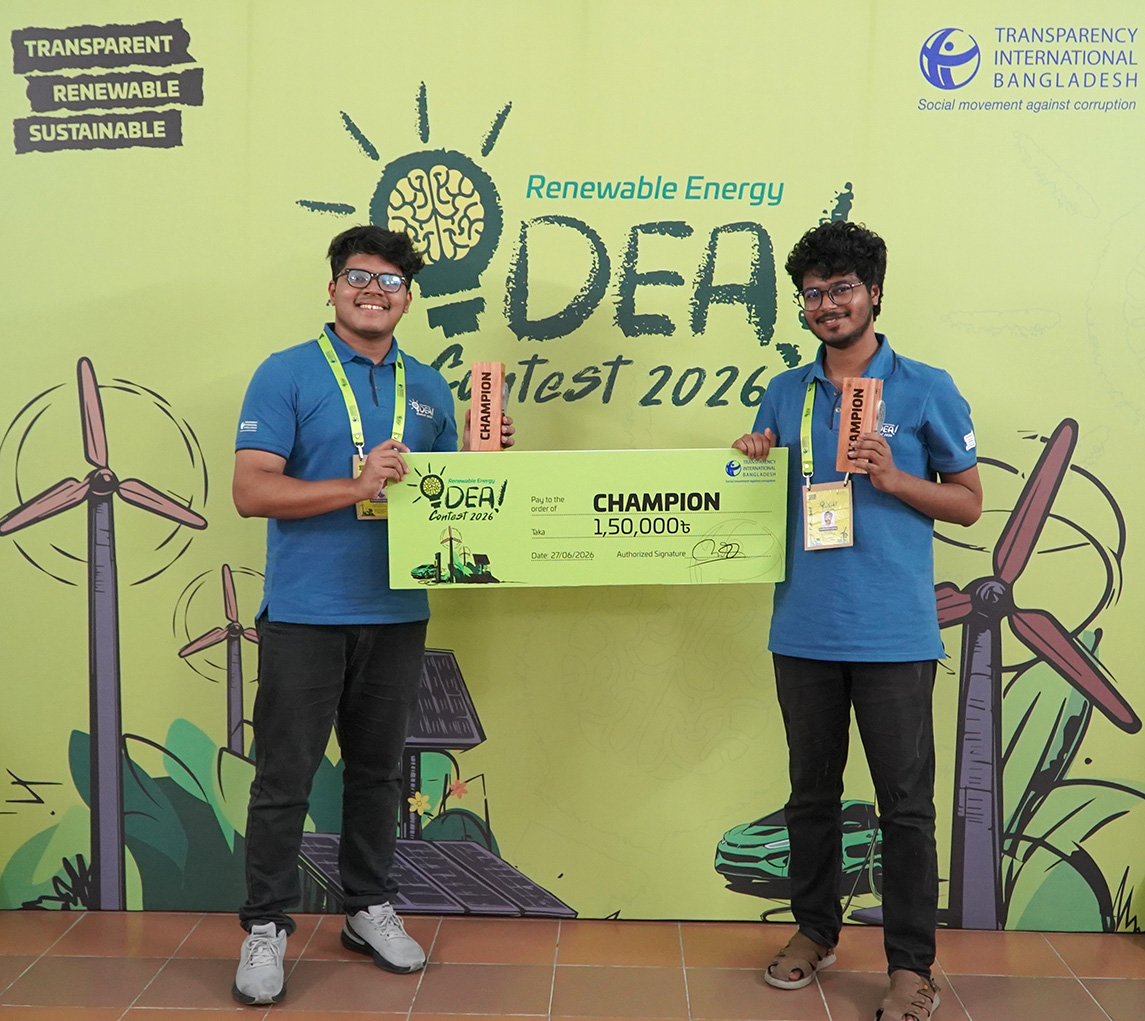
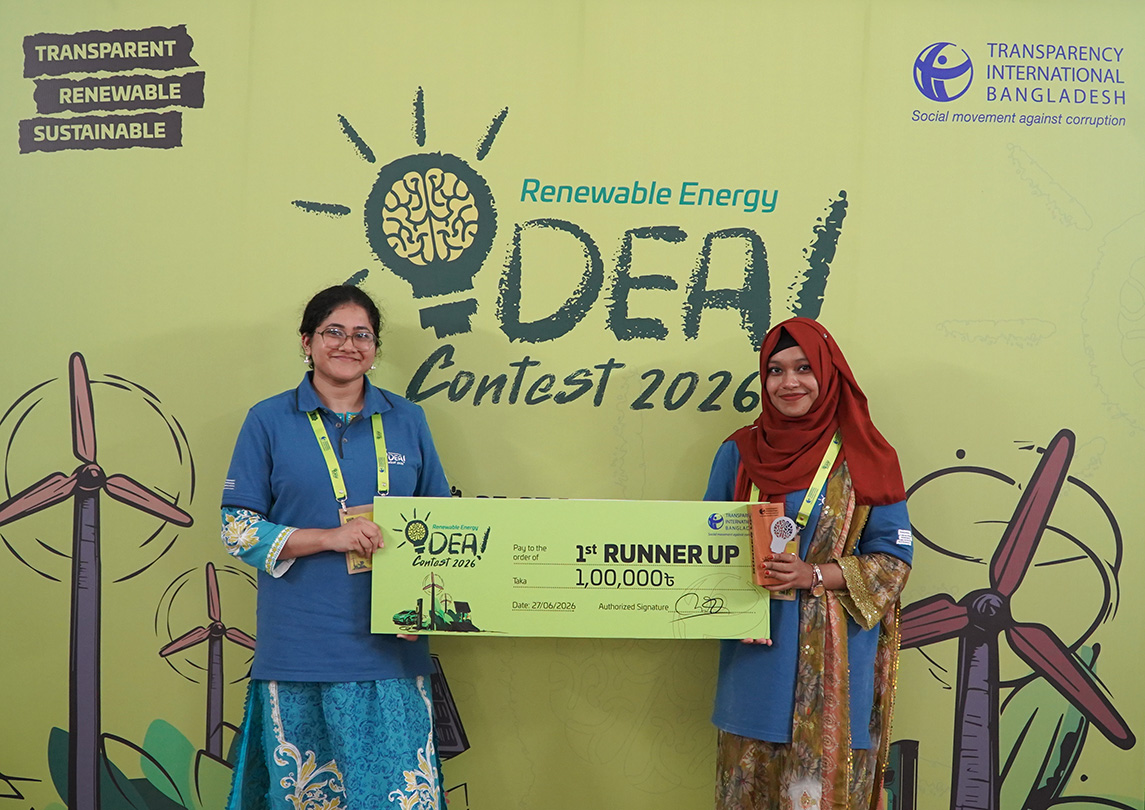
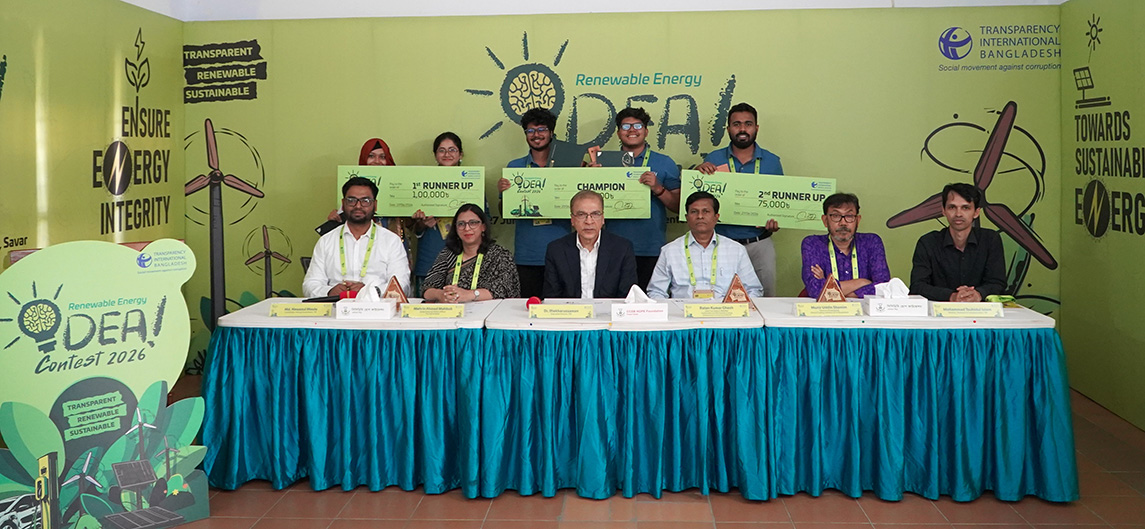
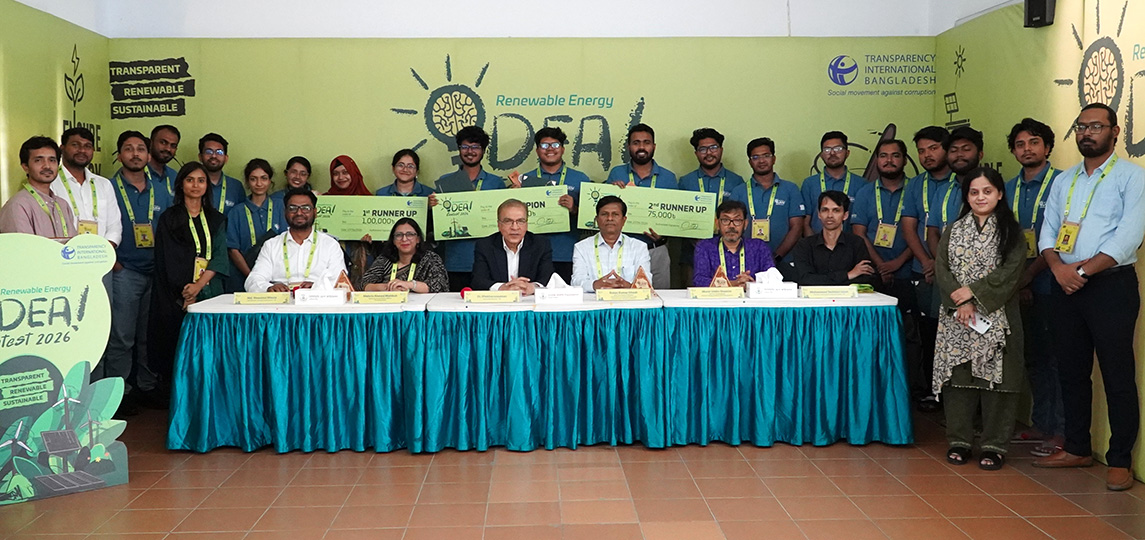
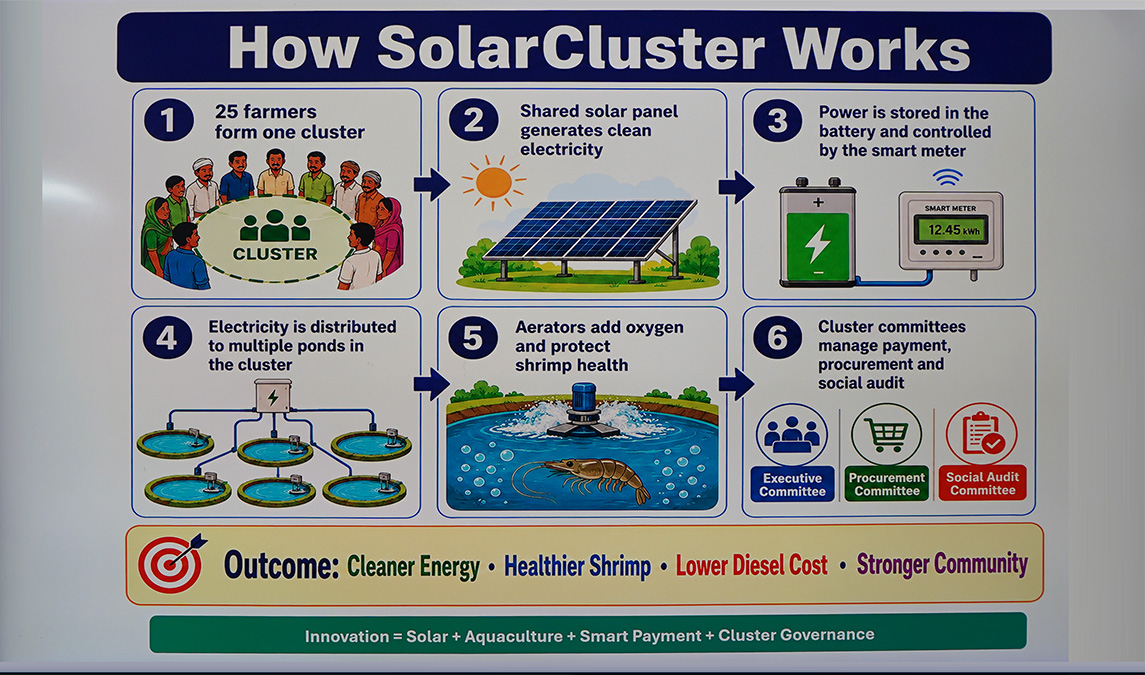
The championship-winning innovation, Roddur AI, developed by Team Roddur (Sunshine) members Md. Miraj Hossain Mahin and Meherab Hossain Opi from Bangladesh University of Engineering and Technology (BUET), will enable citizens to assess the feasibility of installing solar energy systems anywhere in Bangladesh free of charge using artificial intelligence. Representing the first runner-up team, HealthPower (Shasthyashakti) from the University of Dhaka, Tanzim Maliyat and Asfin Jannat Shamsi presented a proposal to transform community clinics in flood-prone rural areas into hybrid renewable energy-powered emergency healthcare centers. The second runner-up team, Solarcluster, represented by Bangladesh Agricultural University student Md. Nasimuzzaman Sabbir, proposed a sustainable model for providing clean and affordable electricity by establishing community-owned solar mini-grids for shrimp farming clusters in the coastal district of Satkhira. The champion team received BDT 150,000, the first runner-up team received BDT 100,000, and the second runner-up team received BDT 75,000, along with trophies. Together, these winning ideas reflected the diversity of challenges that renewable energy can address.
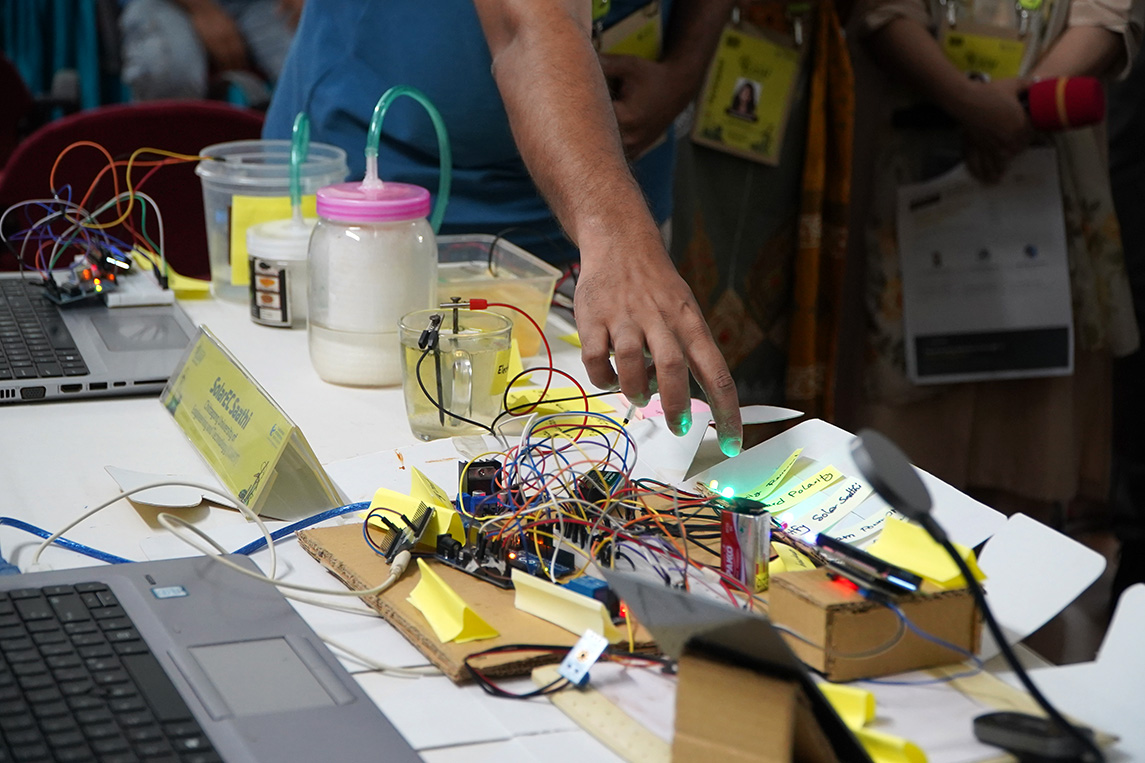
Other finalist teams explored renewable-powered cold storage to reduce post-harvest losses, circular solutions for lithium-ion battery reuse, waste heat recovery from textile factories, digital monitoring systems to improve rooftop solar efficiency, and innovative financing mechanisms that connect climate action with local renewable energy investments.
Throughout the Idea Contest, students were encouraged to go beyond the excitement of innovation and examine the realities that determine whether an idea can create lasting impact. Could communities adopt it? Would it remain financially viable? What policy or institutional barriers might stand in the way? Where was the evidence to support their assumptions? How could transparency, accountability, and citizen participation strengthen the solution?
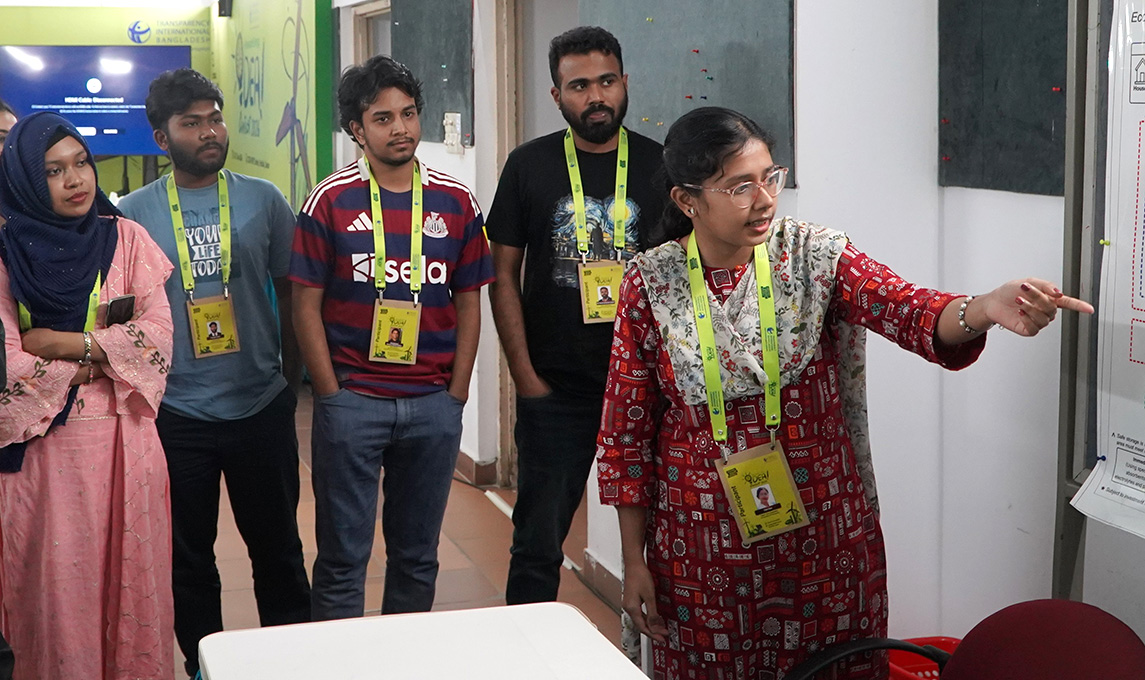
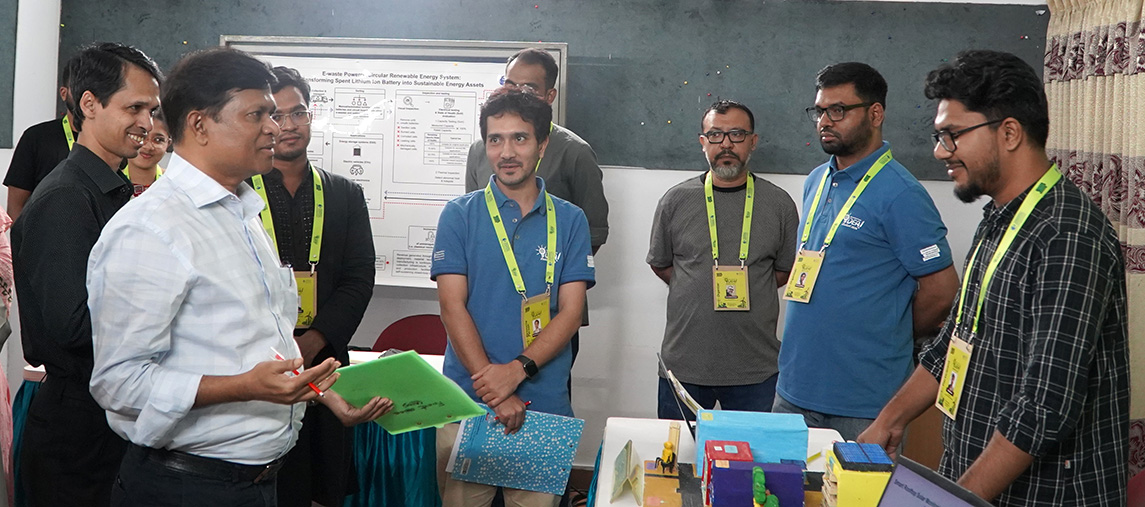
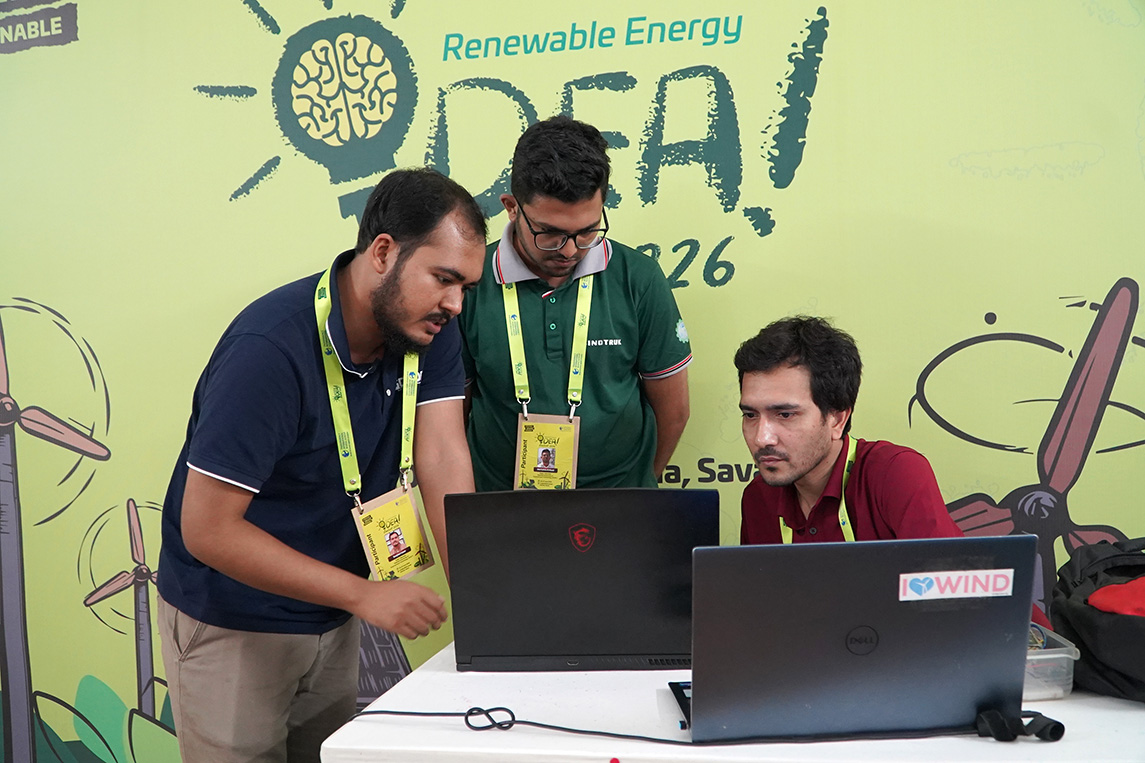
Those questions gradually transformed the environment around the contest. Rather than defending their original proposals, participants found themselves rethinking and improving them. Many later reflected that the greatest learning was not how to deliver a better presentation but how to approach complex challenges more critically and collaboratively.
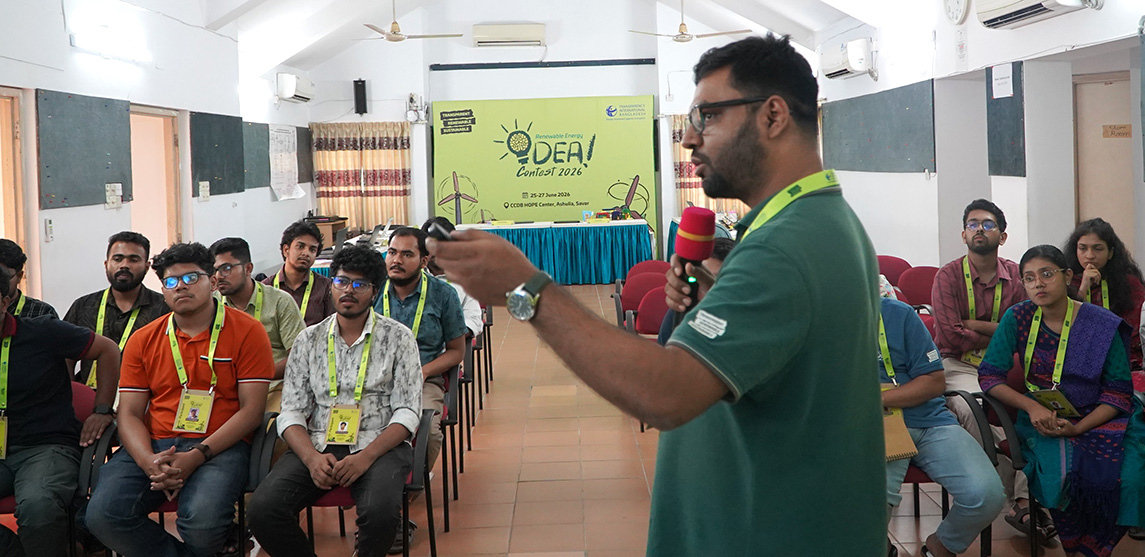
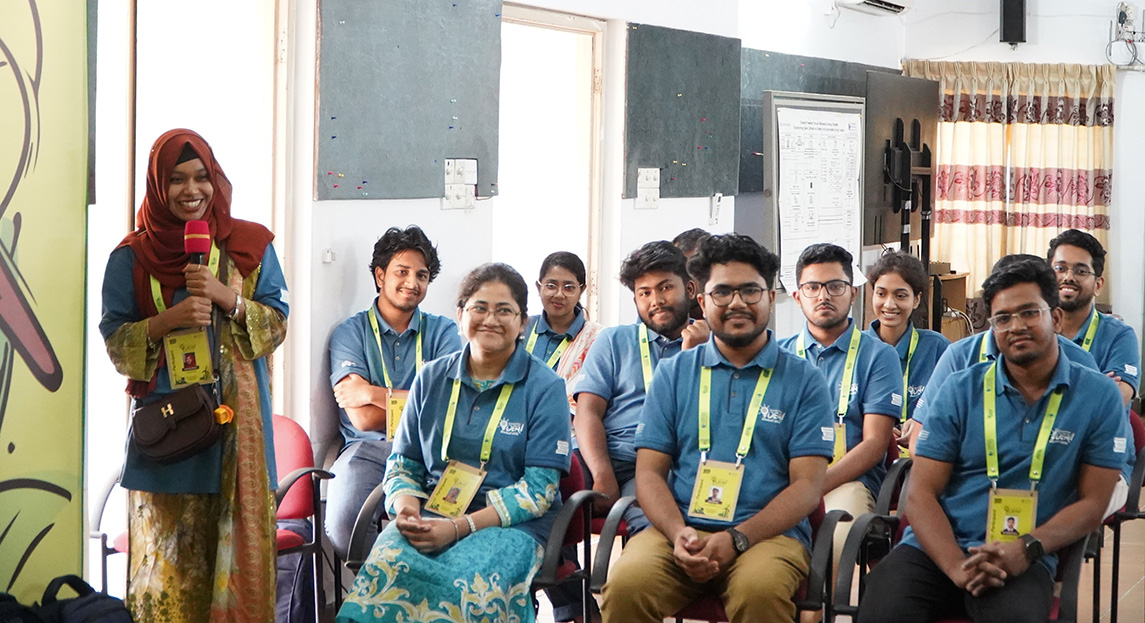
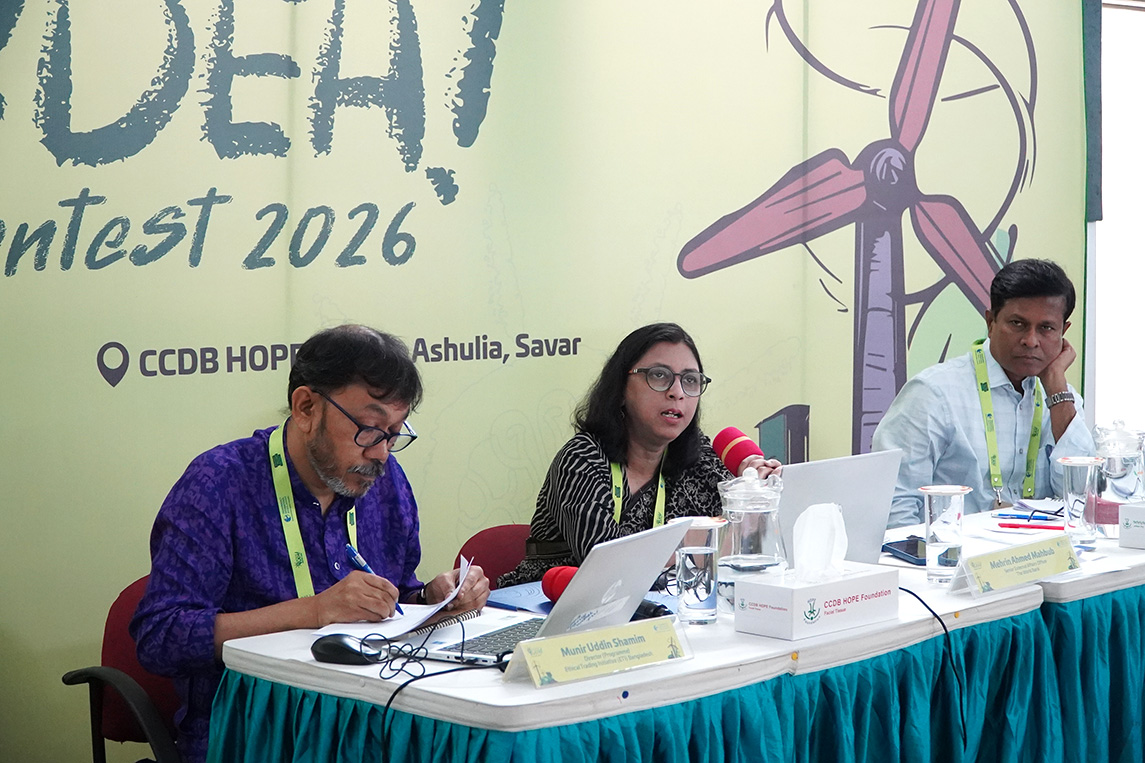
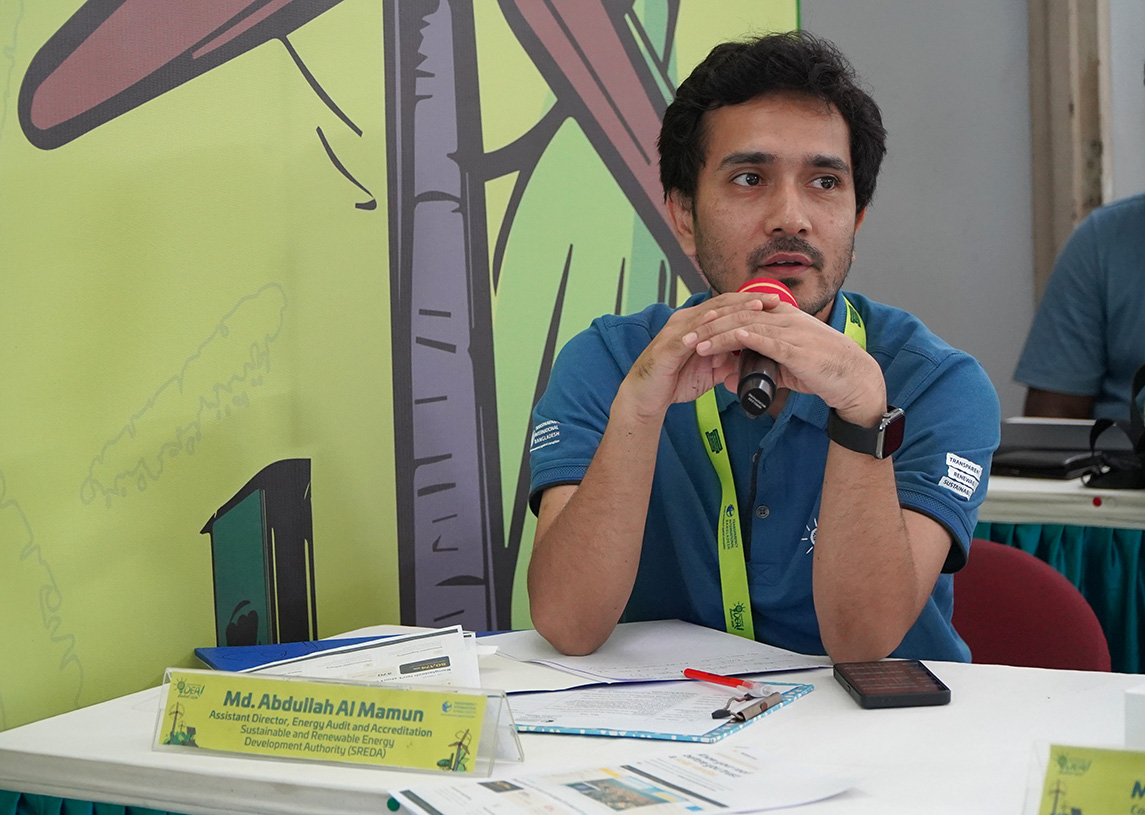
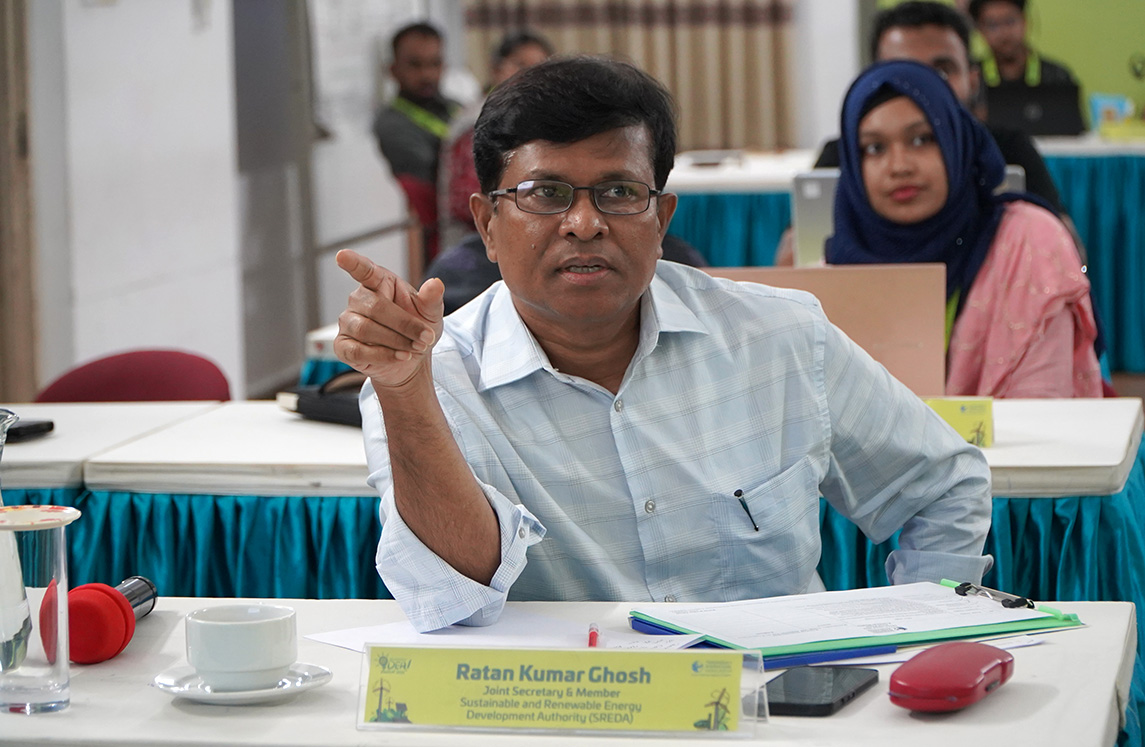
The success of TIB's first Idea Contest inspired TIB to organize this contest this year for the second time with an even stronger conviction that Bangladesh's renewable energy transition needs the ideas, creativity, and critical thinking of its young people. That belief was strengthened throughout the residential finale, where the experts and judges, which include Munir Uddin Shamim, Director (Program), Ethical Trading Initiative (ETI) Bangladesh; Mehreen Ahmed Mahbub, Senior External Affairs Officer at the World Bank; Ratan Kumar Ghosh, Member and Joint Secretary; Abdullah Al Mamun, Assistant Director of the Sustainable and Renewable Energy Development Authority (SREDA); Mehadi Hasan Shamim, Research Associate at the Centre for Policy Dialogue (CPD); Md. Badiuzzaman, Director of Research and Policy Division of TIB; Mohammad Tauhidul Islam, Director of Outreach and Communication at TIB; and Md. Newazul Moula, Coordinator of TIB’s Energy Governance Division, witnessed participants examining energy challenges from multiple perspectives and linking innovation with governance, public needs, and long-term sustainability. They emphasized that strengthening renewable energy is essential for Bangladesh's long-term energy security and encouraged participants to continue questioning conventional approaches, remarking that innovative solutions often emerge from fresh perspectives and unconventional thinking. To them, the contest was more than a showcase of promising technologies!
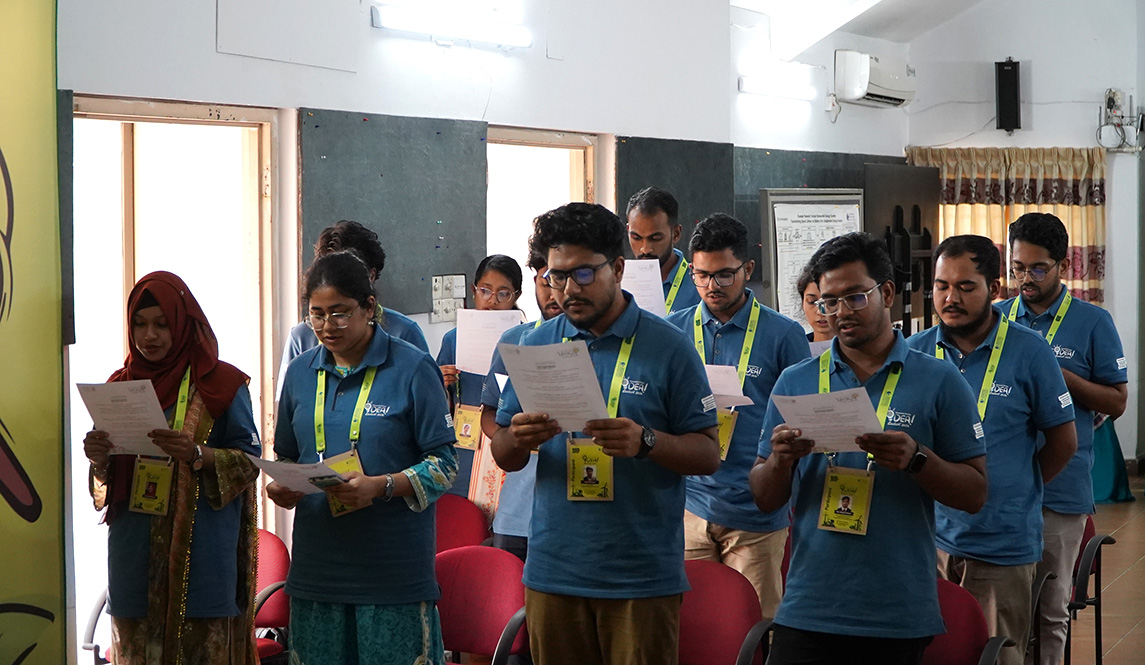
Reflecting on what the finalists represented, TIB Executive Director Dr. Iftekharuzzaman said, “Bangladesh has always moved forward when its youth led the way. TIB believes that in the journey toward 100 percent renewable energy, it is the youth who will show the path. The teams who reached the final are not just participants; they are all winners."
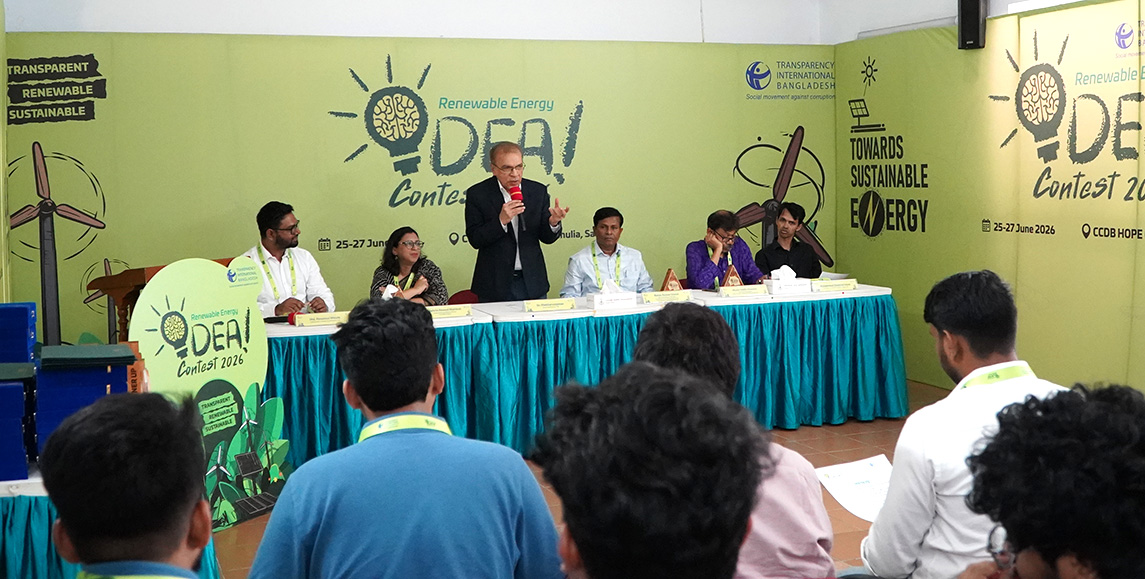
Though only three teams returned home with awards and trophies, but the story of TIB's Idea Contest extends far beyond the winners! The more than 300 ideas submitted from across Bangladesh revealed a generation of young innovators eager to question existing systems, rethink conventional approaches, and contribute practical solutions to one of the country's most pressing development challenges. For TIB, that is perhaps the contest's greatest achievement! Every idea nurtured through the contest is helping build a future where innovation is guided by integrity, strengthened by good governance and driven by the creativity of Bangladesh's young people.