Published: 05 February 2026
“E-waste is not actually trash; it is a greater opportunity for us than it is a burden. If utilized correctly, it is possible to earn over 5,000 crore BDT annually from this sector. But today, that wealth is being neglected and turning into poison as it mixes with our soil.”
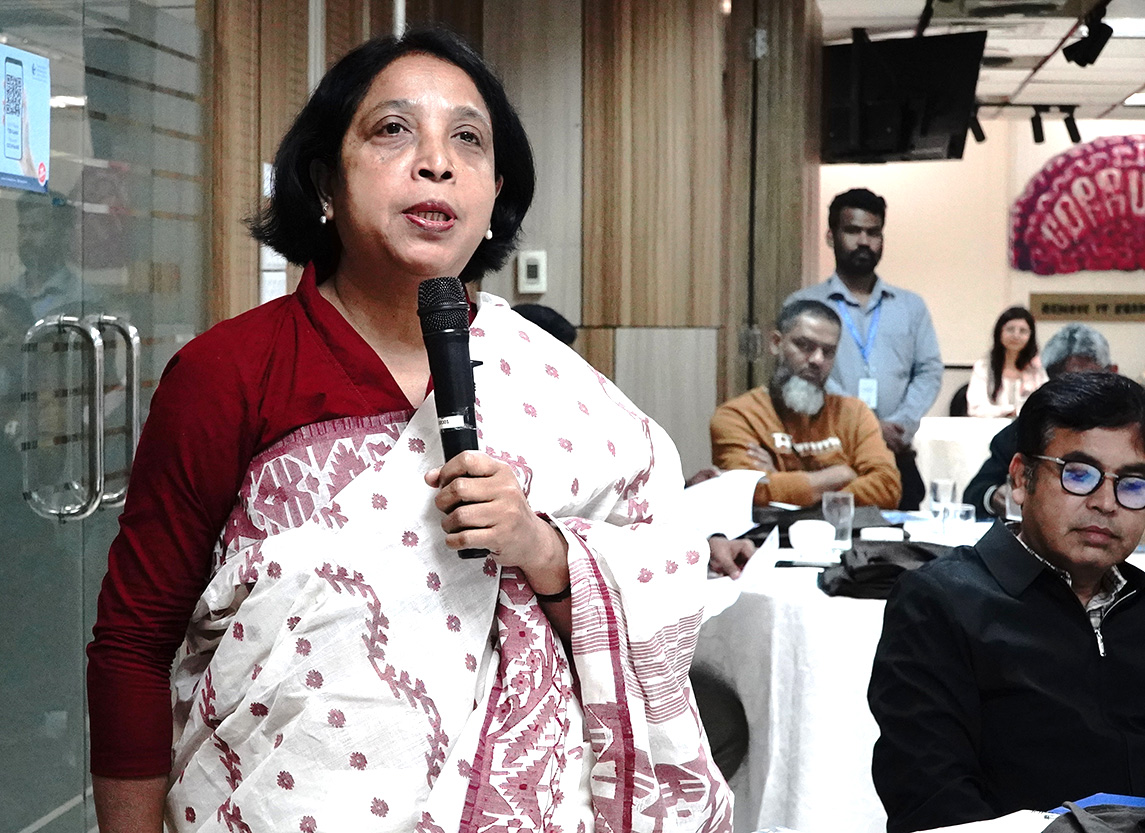
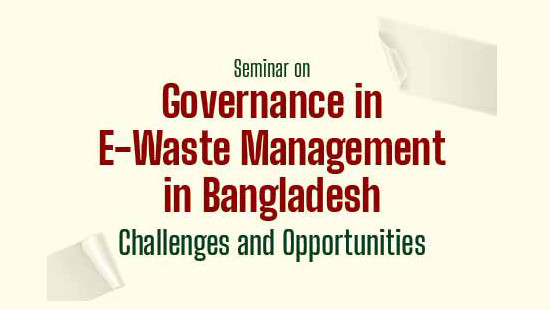
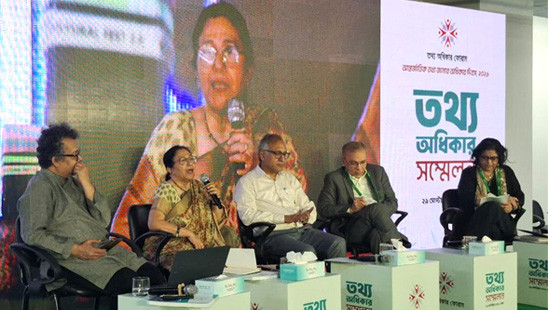
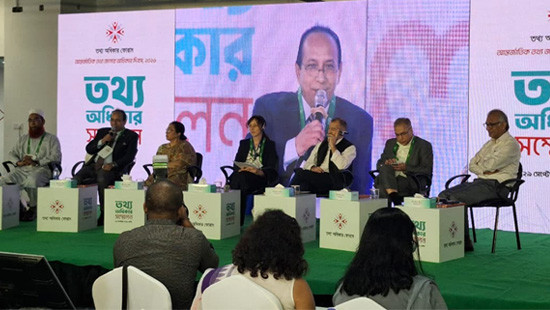
These words, spoken by Professor Rowshan Momtaz of the Bangladesh University of Engineering and Technology (BUET), served as the main message of the stakeholder meeting held on February 1, 2026. Organized by Transparency International Bangladesh (TIB), the gathering echoed with this message of hope even as the conversation shifted toward the deepening crisis of e-waste management. However, the harsh reality behind this bright potential—a mountain of mismanagement—was laid bare in TIB’s recent research. Conducted under the project "Promoting Integrity in Solid Waste Management Towards Climate Justice in Bangladesh," this timely study arrived as a necessary intervention.
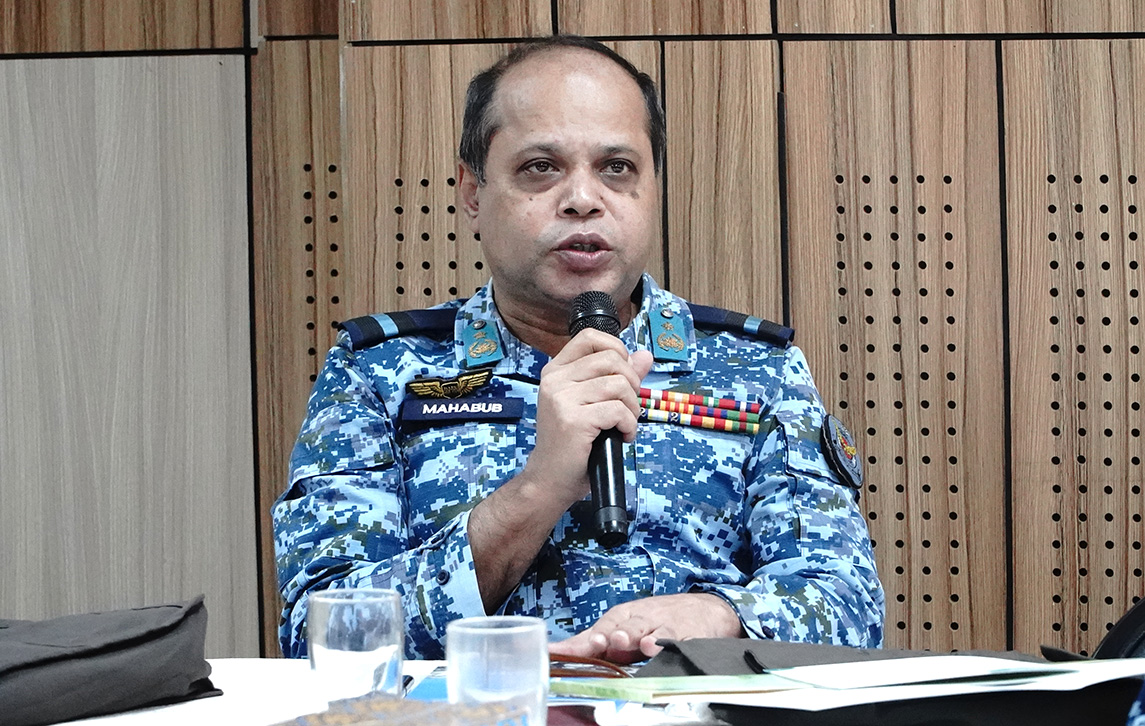
In this modern technological era, it is difficult to imagine daily life without electronic products. From the smartphone alarm in the morning to the office laptop or the refrigerator at home, these devices are inseparable parts of our lives. Yet, the flip side of the coin is dark. When these products become old or broken, they turn into 'e-waste' or electronic waste, posing an extreme risk to our environment and health without us even realizing it.
At the start of the meeting, Abdullah Zahid Osmani, Research Associate of TIB's Environment and Climate Finance Department, presented the detailed research findings and recommendations. His presentation painted an alarming picture revealing that while Bangladesh produces approximately 13.3 million kilograms of e-waste annually, only 3% enters formal institutional processes. The remaining 97% falls into the hands of the informal sector, where waste is burned or dismantled using unscientific methods. The research further showed that despite a ban on importing e-waste, nearly 15,000 tons of it entered the country between 2021 and 2024 at a cost of 700,000 USD. This means that while we cannot manage our own waste, we are simultaneously becoming a dumping ground for the world's toxic refuse. Additionally, large companies have shown extreme reluctance to meet their assigned waste collection targets.
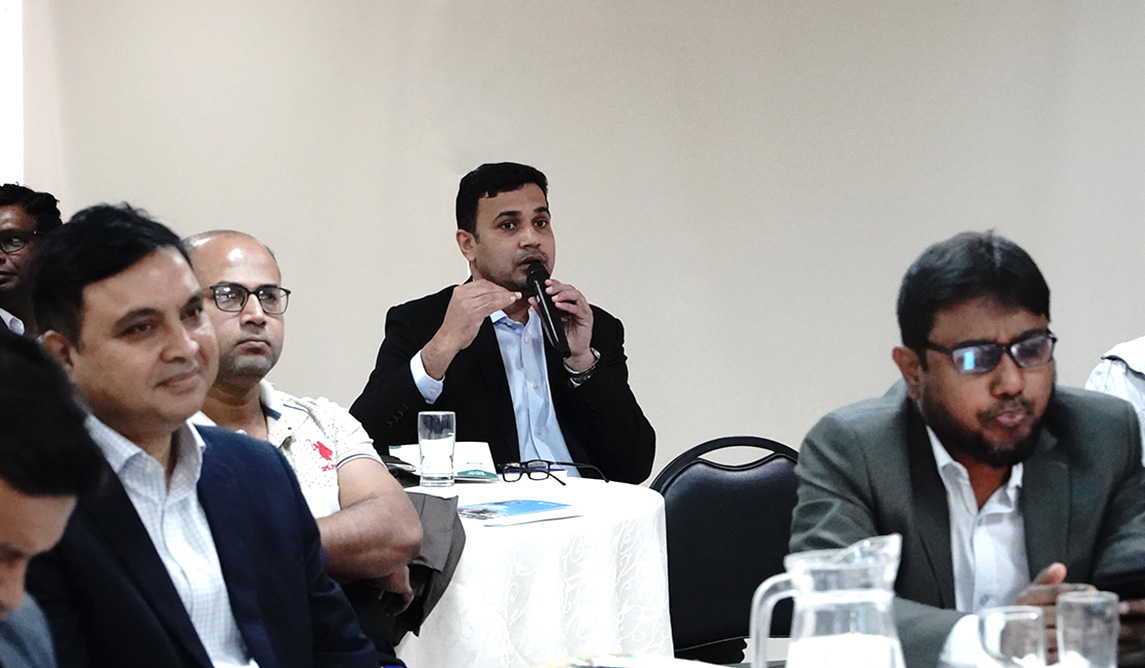
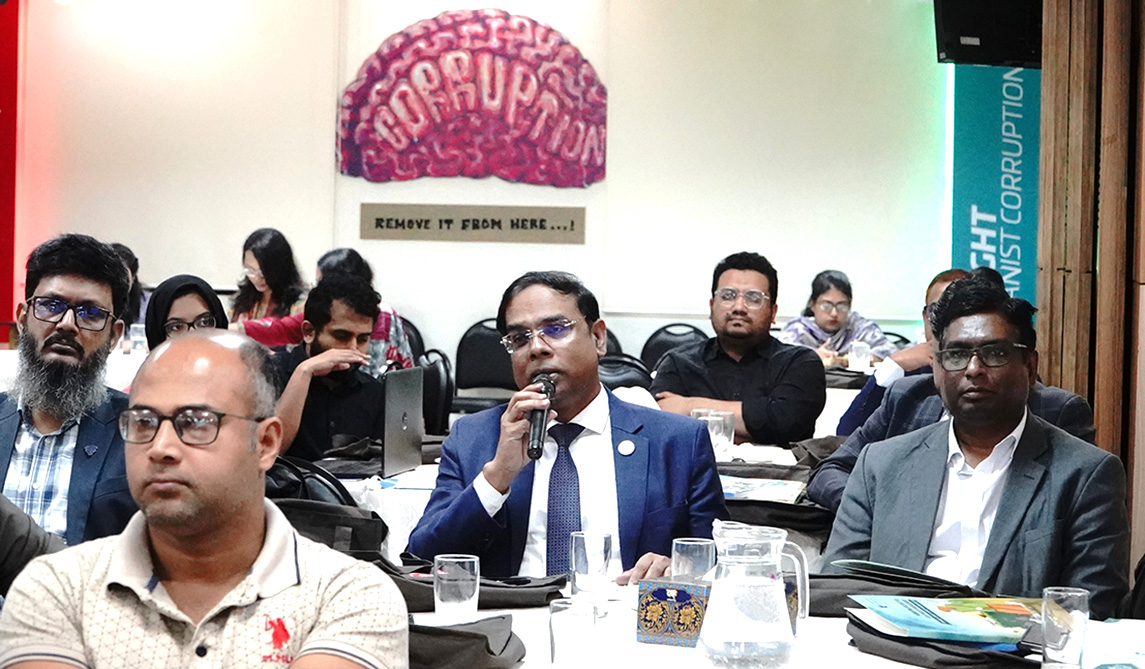
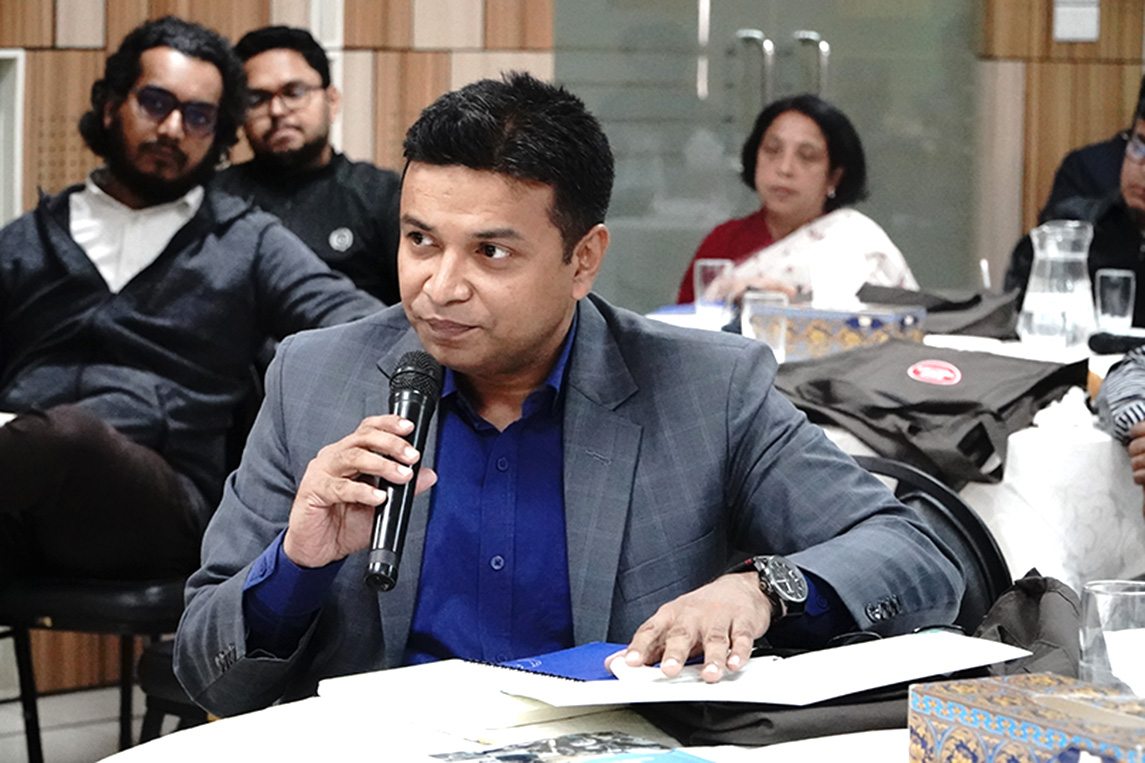
From the perspective of businessmen and entrepreneurs, Humayun Kabir, Head of Planning at Transcom Electronics, and other stakeholders involved in e-waste management clarified their limitations. Mr. Kabir stated that effective facilities and incentives, alongside regulations, could play a vital role in motivating businessmen toward e-waste management. Entrepreneurs complained that because no proper 'system' has been established, the necessary volume of waste does not reach them. Most waste is processed inefficiently by scrap dealers or illegally smuggled abroad as parts. They called for an effective mechanism involving all stakeholders to build this sector into a profitable industry.
The discussion also highlighted the stark lack of coordination and limitations within government agencies. Representatives from the Ministry of Environment admitted that while regulations exist, there are still no clear 'Technical Guidelines' defining roles at the field level. Consequently, taking effective action remains difficult for the Ministry. However, they assured the meeting that measurement tools would be updated and guidelines formulated quickly. A similar sentiment was shared by City Corporation representatives, who noted they have no effective directives for collecting e-waste. As a result, they dispose of it with regular garbage, where it becomes a long-term poison for the soil. The shortage of manpower for monitoring was also raised as a critical issue.
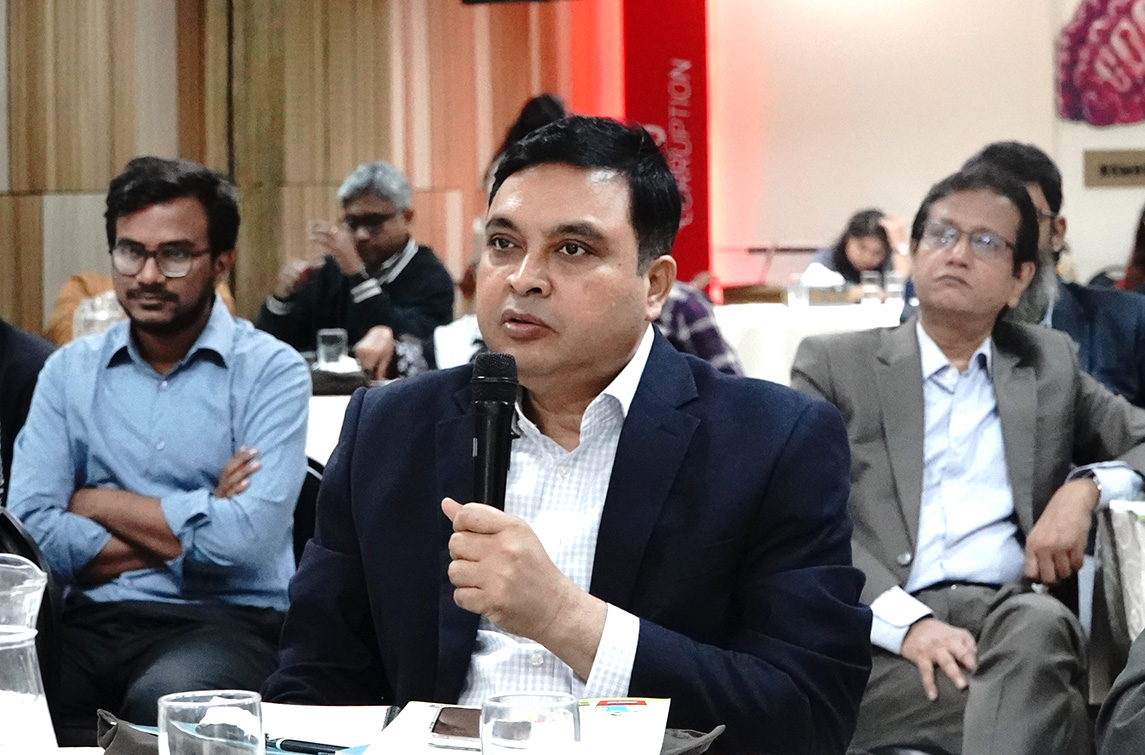
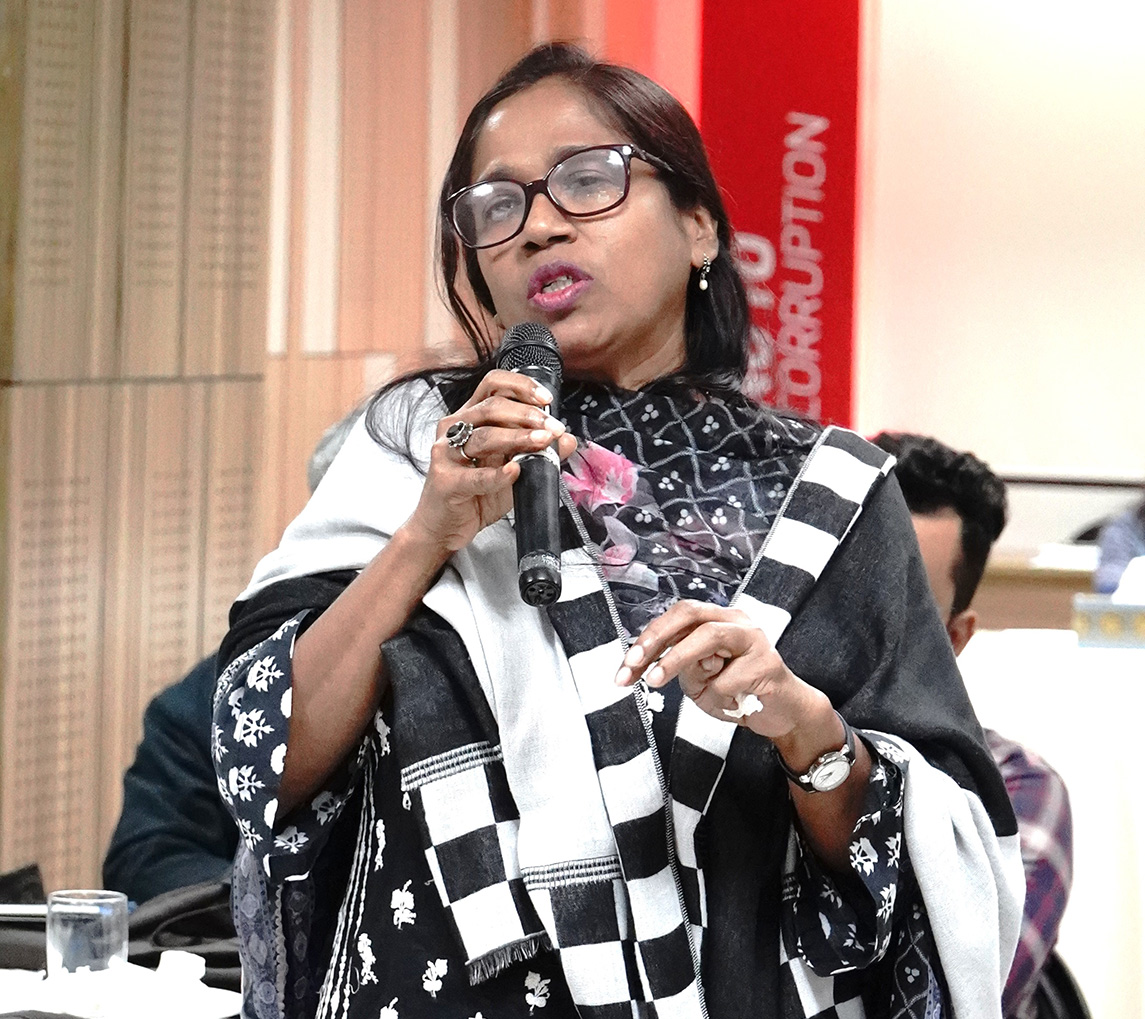
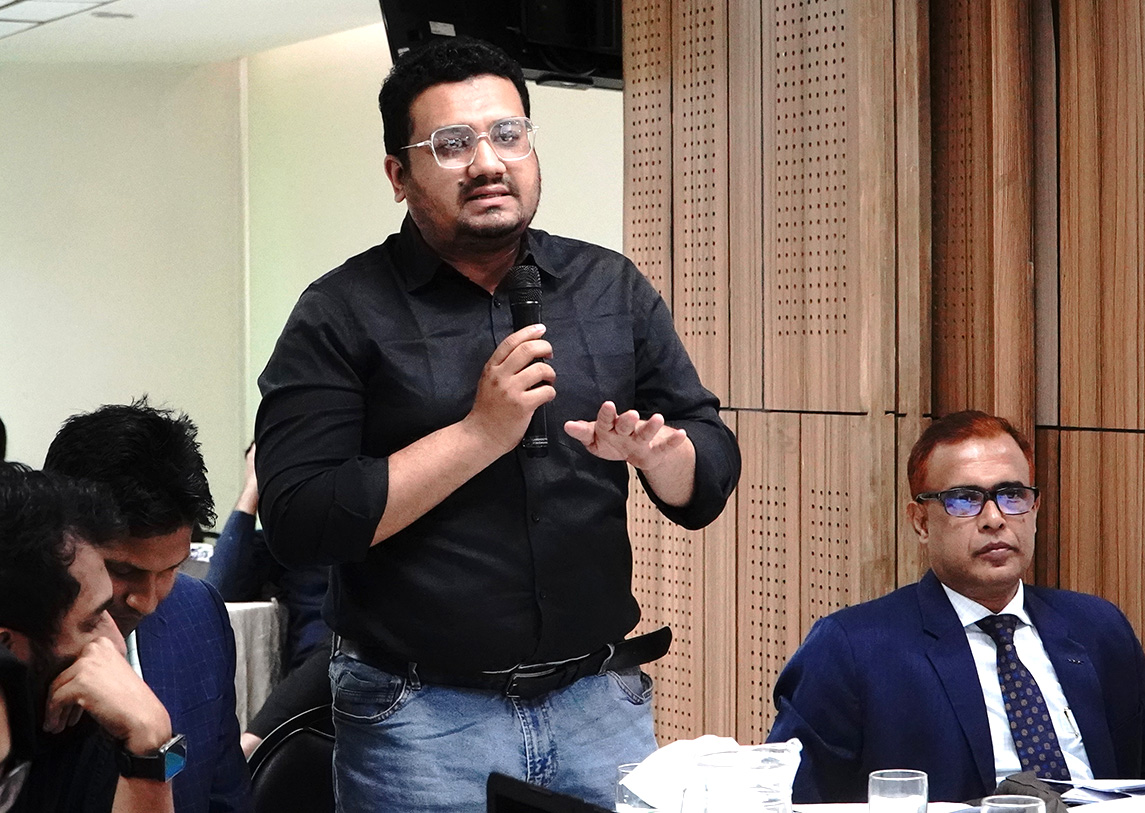
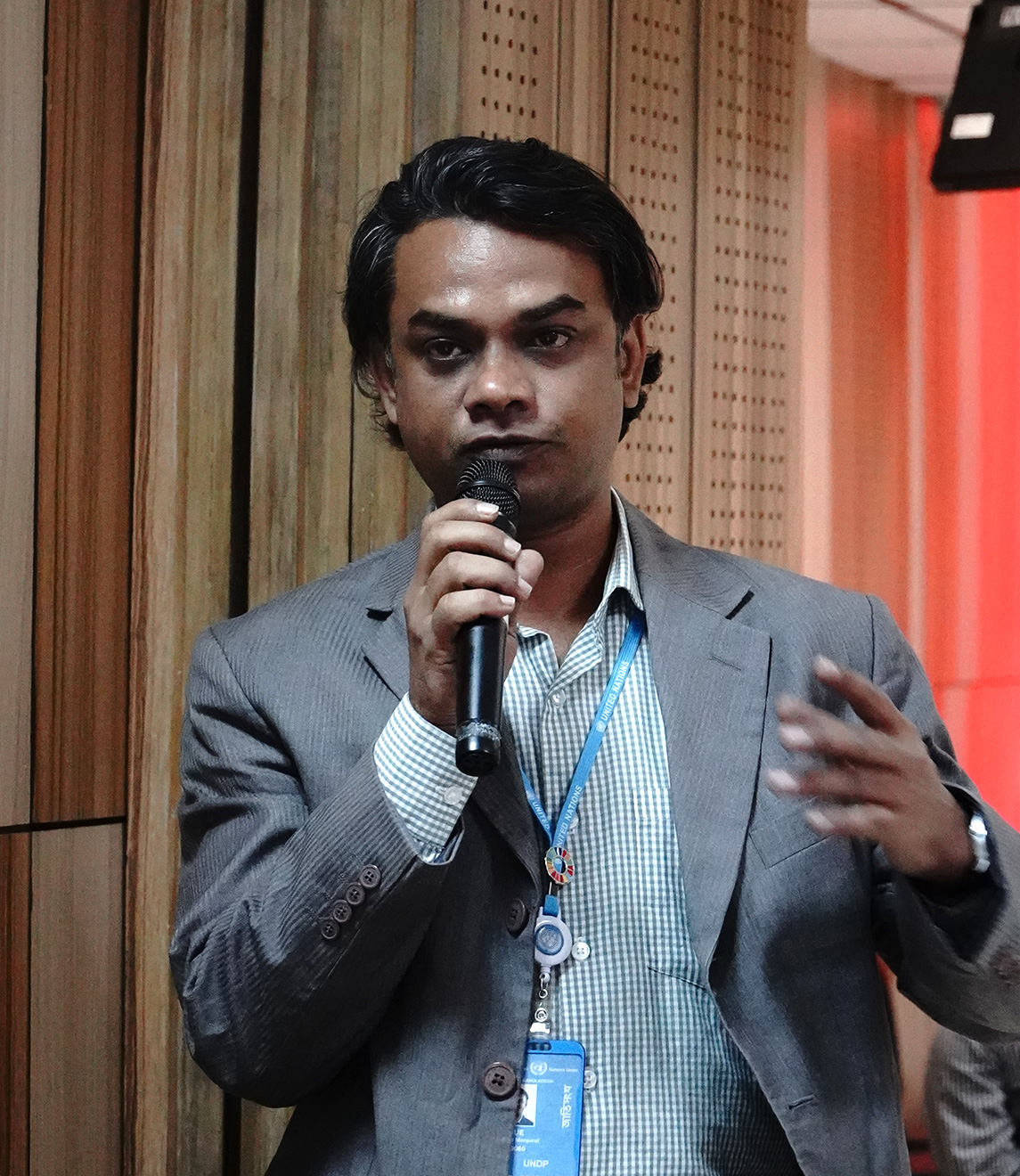
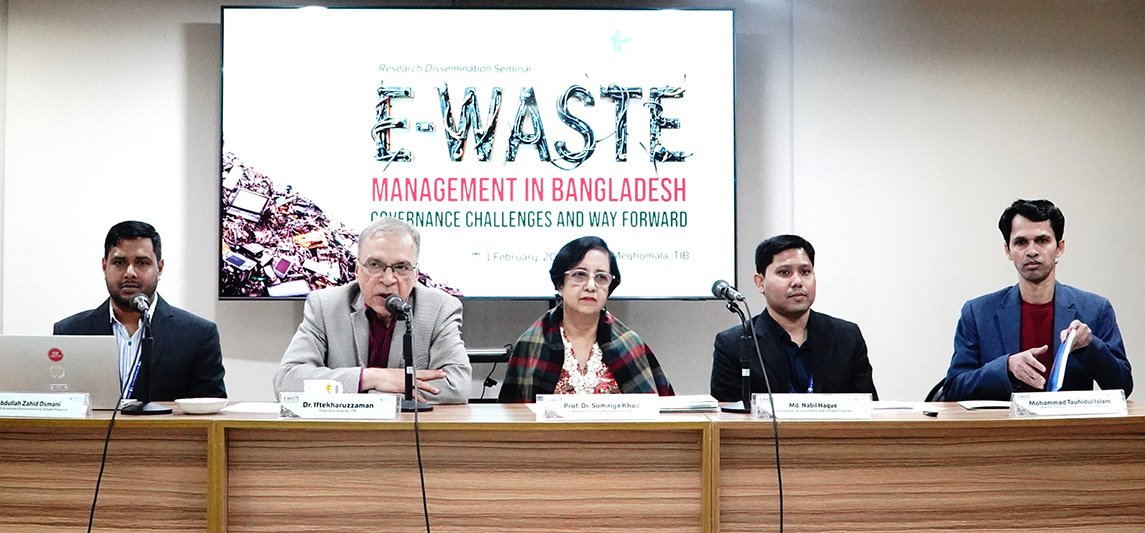
The entire discussion was moderated by Professor Dr. Sumaiya Khayer, Advisor, Executive Management of TIB. She identified the 'lack of coordination' as the primary barrier and emphasized the need for an integrated working environment. She remarked that to ensure good governance in e-waste management, cooperation from everyone is necessary for the proper application of various laws.
Dr. Iftekharuzzaman, Executive Director of TIB, noted, “E-waste management is difficult across the world. However, in our country, the lack of accountability has made this problem even more complex.” He stressed the importance of establishing an 'effective system' involving everyone—from the consumer level to the manufacturers.
To ensure the light of technology does not turn into black smoke for the environment, now is the time to collectively transform this 'electronic waste' into a resource. Otherwise, in the Bangladesh of tomorrow, the curse of e-waste will outweigh the blessings of technology. Accountability and coordinated initiatives are the only paths to overcome this crisis.