Published: 18 June 2026
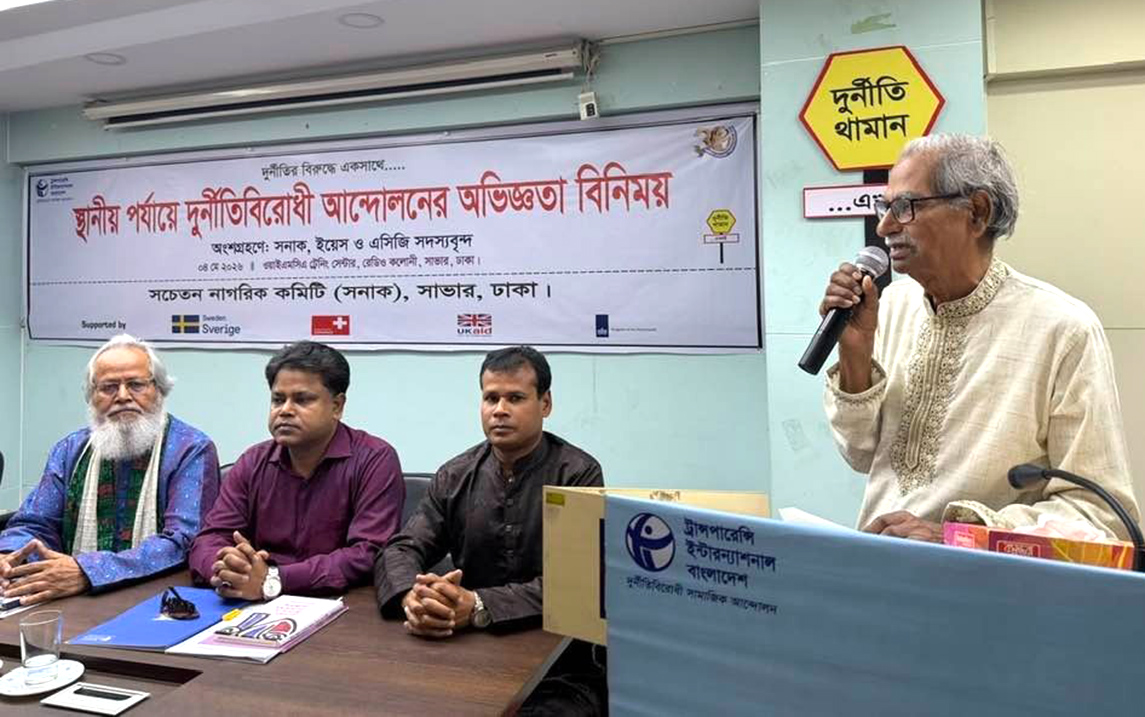
Across Bangladesh, thousands of citizens are quietly contributing to a movement that seeks to make public institutions more transparent, accountable, and responsive. Unlike campaigns that begin and end with a single event, this movement is built through sustained civic engagement—through citizens who monitor services, raise concerns, advocate for solutions, and work collectively to strengthen governance in their communities.
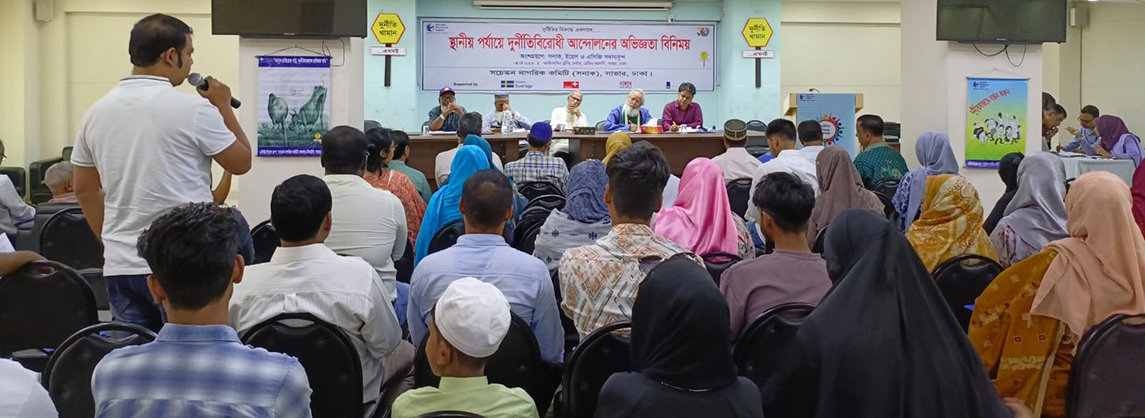
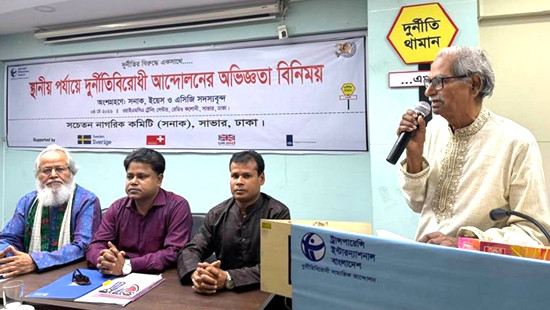
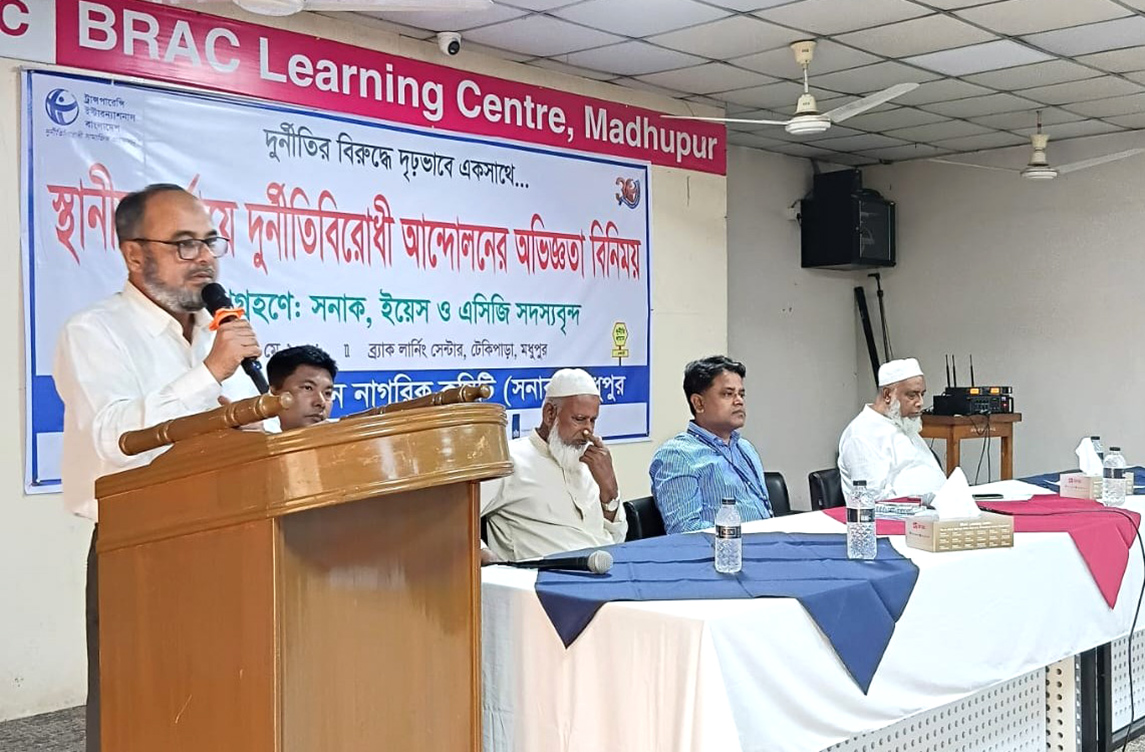
At the heart of this effort are the Committees of Concerned Citizens (CCCs), supported by Youth Engagement and Support (YES) groups and Active Citizens Groups (ACGs). Working in different parts of the country, these citizen platforms have long served as bridges between communities and public institutions, encouraging greater accountability while promoting integrity and good governance. The Learning Sharing Meetings organized in May 2026 in Savar, Jhenaidah, Pirojpur, Rajbari, Madhupur, and across TIB's network of 45 CCCs provided an opportunity to reflect on how this citizen-led movement is evolving and what more can be done to strengthen it.
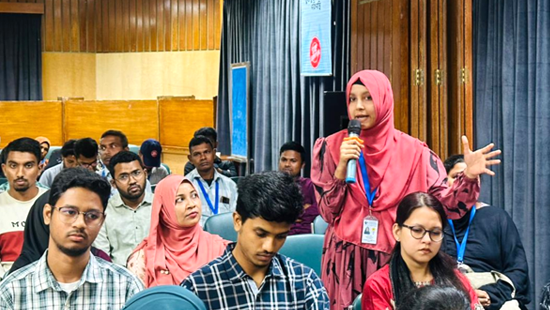
While the local realities of these districts differ, the discussions revealed a common aspiration. Participants spoke about their efforts to improve public services, engage communities, monitor institutions, and encourage greater transparency in decision-making processes. Their experiences demonstrated that accountability is often strengthened not only through policies and regulations, but also through citizens who are willing to engage constructively with institutions and demand better governance.
This understanding has shaped the work of CCCs over the years. Through advocacy initiatives, community dialogues, social monitoring, awareness campaigns, and constructive engagement with service providers, CCC members and volunteers have sought to transform public concerns into collective action. Their work reflects a simple but powerful idea: when citizens become active participants rather than passive recipients of services, institutions are more likely to respond to public needs.
The learning sharing meetings, therefore, became a space for collective reflection on the movement itself. Participants discussed achievements and challenges, exchanged lessons from different regions, and explored ways to make citizen engagement more effective. They also reflected on how local initiatives—whether related to education, health, land administration, local government, or other public services—contribute to a broader national effort to promote transparency and accountability.
The role of local leadership emerged strongly throughout the discussions. CCC leaders from different districts emphasized that sustaining the anti-corruption movement requires continued citizen participation, stronger community ownership, and closer engagement with public institutions. Their observations reflected a growing recognition that governance reforms become more meaningful when citizens themselves take an active role in protecting and advancing them.
TIB representatives reinforced this message. Addressing the gatherings, Md. Atikur Rahman, Coordinator of Civic Engagement at TIB, highlighted the importance of sustaining citizen activism and strengthening integrity practices within public institutions. Kazi Shafiqur Rahman, Coordinator of TIB's Civic Engagement Department, emphasized that anti-corruption efforts become more effective when citizens are informed, organized, and connected through collective action. Their remarks underscored a central principle of TIB's civic engagement approach: corruption cannot be addressed solely through institutional reforms; it also requires citizens who are willing to participate in governance processes and hold institutions accountable.
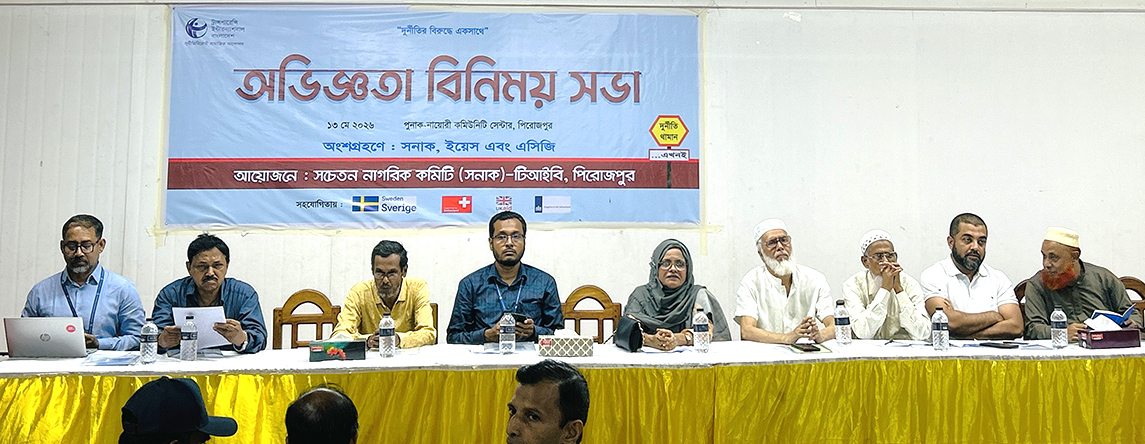
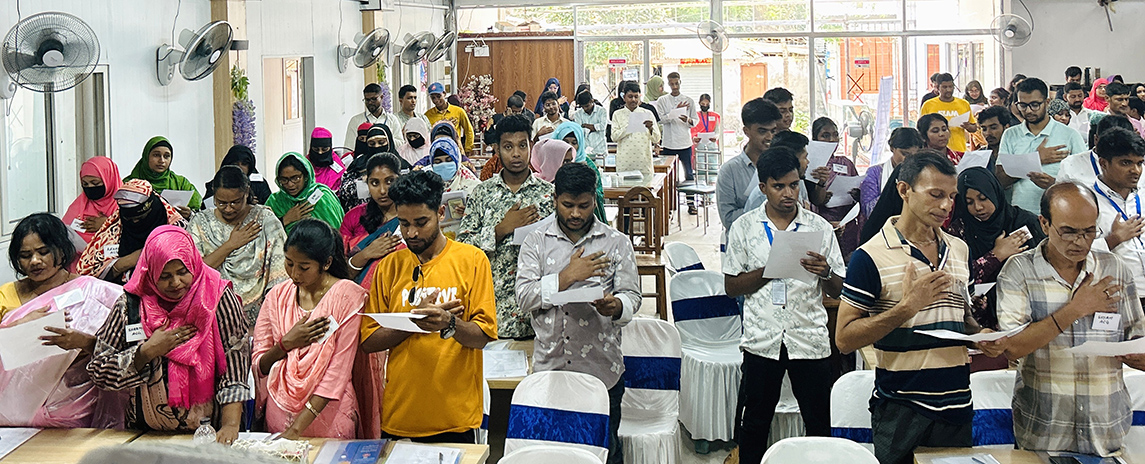
The meetings also highlighted the growing contribution of young people to this movement. Through YES groups and ACGs, youth volunteers are increasingly engaging in awareness campaigns, social accountability initiatives, and community-based advocacy efforts. Their involvement is helping to strengthen the movement's sustainability while creating a new generation of citizens committed to transparency, integrity, and democratic participation.
Speaking at the Rajbari Learning Sharing Meeting, Dr. Iftekharuzzaman, Executive Director of TIB, placed these local experiences within a broader national context. He emphasized that institutions alone cannot bring about meaningful change in governance. Citizens must actively demand accountability, participate in decision-making processes, and remain engaged in monitoring the quality and effectiveness of public services. He noted that while laws, policies, and reforms are important, they can only be effective when supported by an informed and active citizenry.
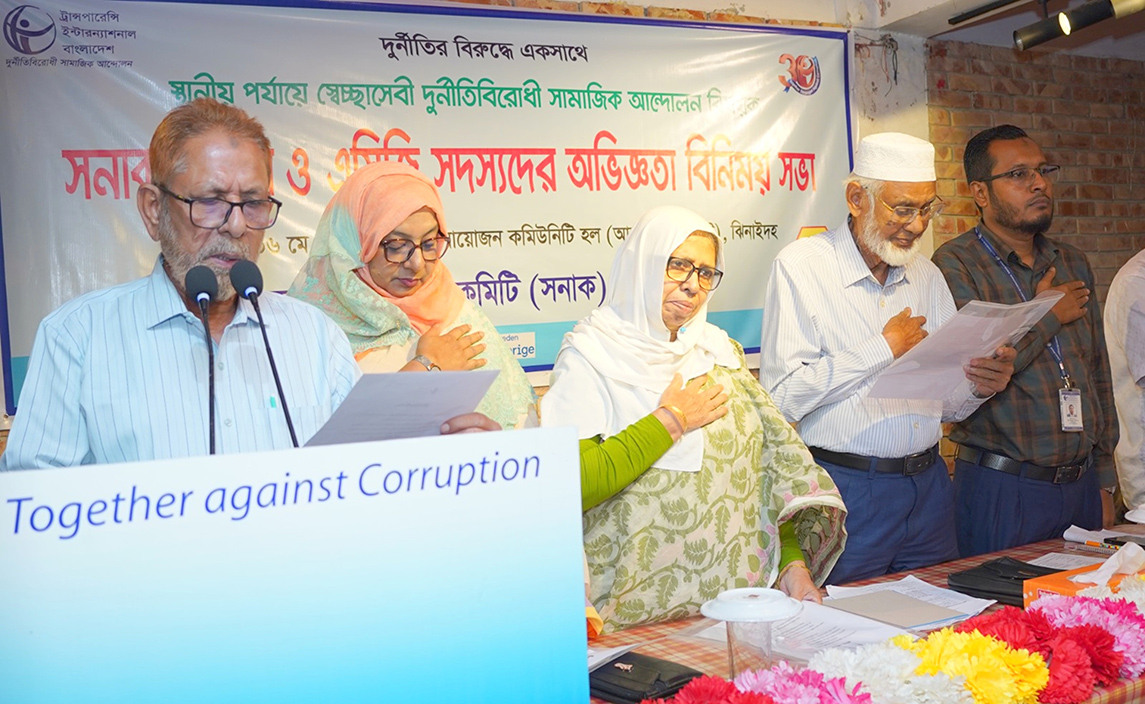
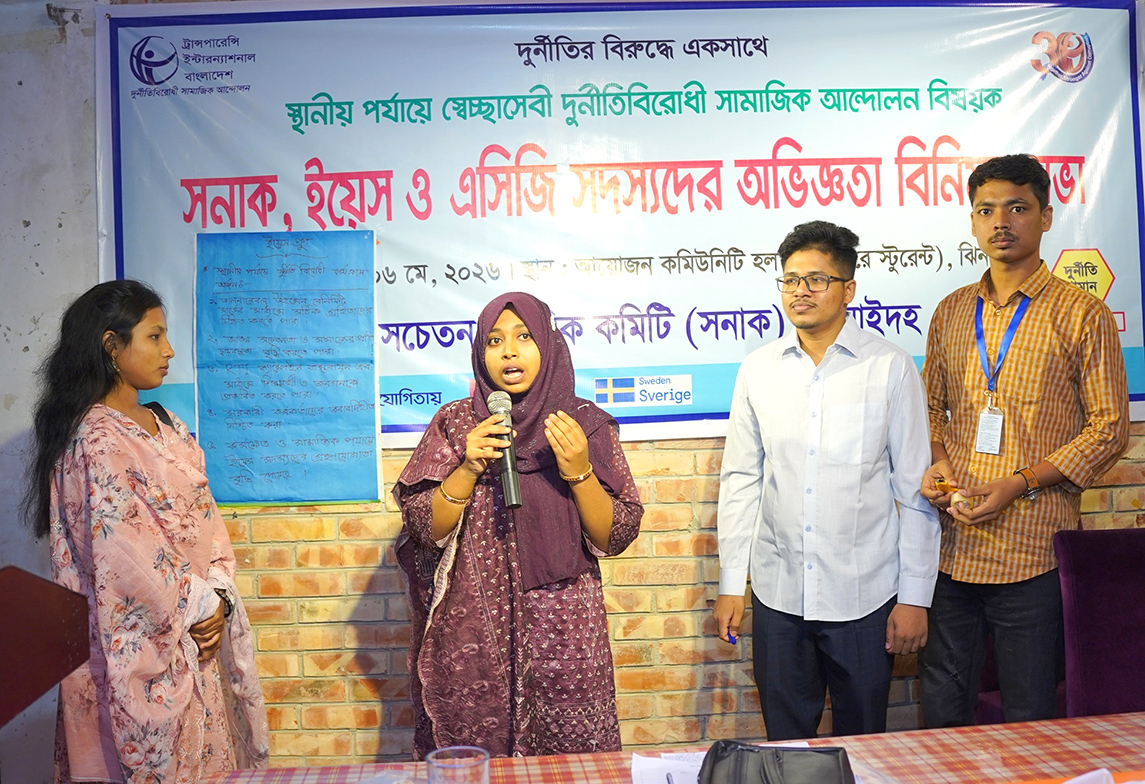
Highlighting the importance of volunteerism and civic networks, Dr. Iftekharuzzaman observed that sustained citizen engagement has the potential to transform isolated concerns about corruption into a broader social movement capable of influencing governance practices from the grassroots upward. According to him, strengthening connections among citizens, community organizations, and public institutions is essential for building a culture where transparency, accountability, and integrity become societal expectations rather than occasional demands.
Seen through this perspective, the learning-sharing meetings were not simply gatherings to review activities. Rather, they reflected the continued evolution of a citizen-led movement that seeks to place accountability at the center of public life. The experiences shared by CCC members, youth volunteers, and civic activists demonstrated how local initiatives, when connected through a nationwide network, can contribute to broader social change.
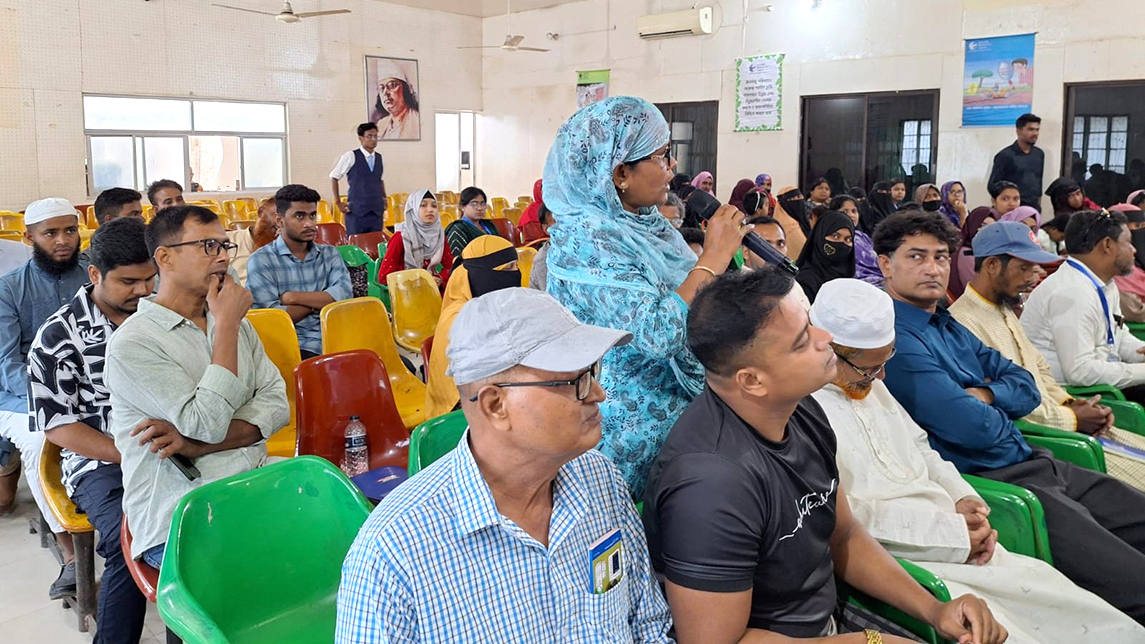
Across the 45 CCCs, citizens are engaging with institutions, raising concerns, monitoring services, and advocating for solutions in ways that strengthen democratic participation and public accountability. While the challenges of corruption and weak governance remain significant, the discussions revealed a growing confidence among citizens that they can be part of the solution.
Therefore, TIB’s anti-corruption movement extends beyond campaigns, events, or policy advocacy. It is increasingly reflected in the actions of citizens who are choosing to engage rather than remain indifferent. Through collective learning, volunteerism, youth engagement, and sustained civic participation, CCCs, YES groups, and ACGs continue to demonstrate that accountability is strongest when it is demanded not only from the top but also nurtured from the grassroots.
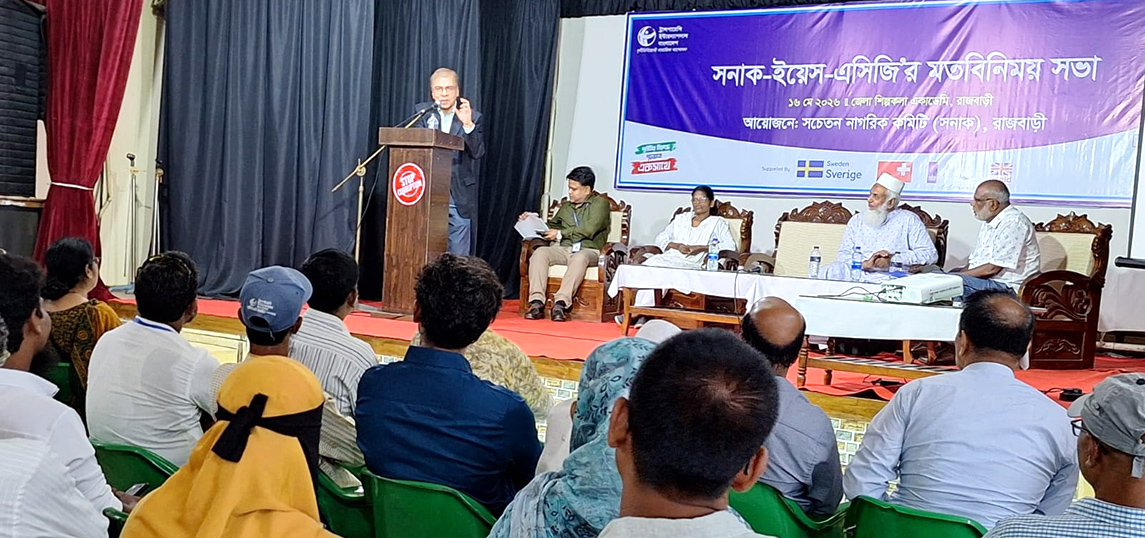
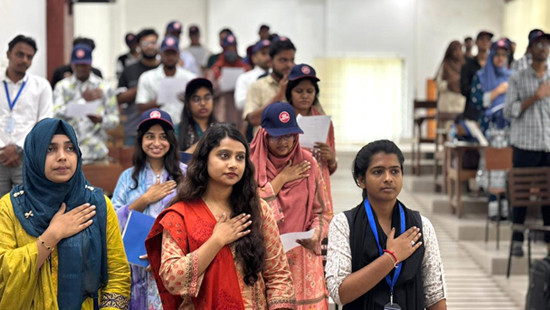
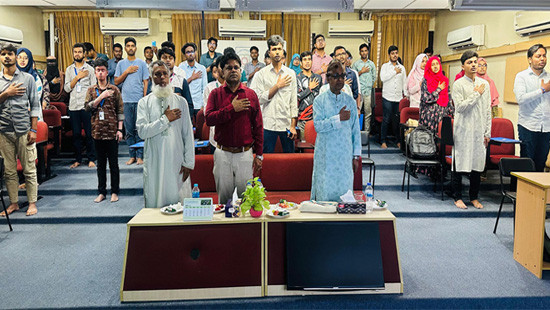
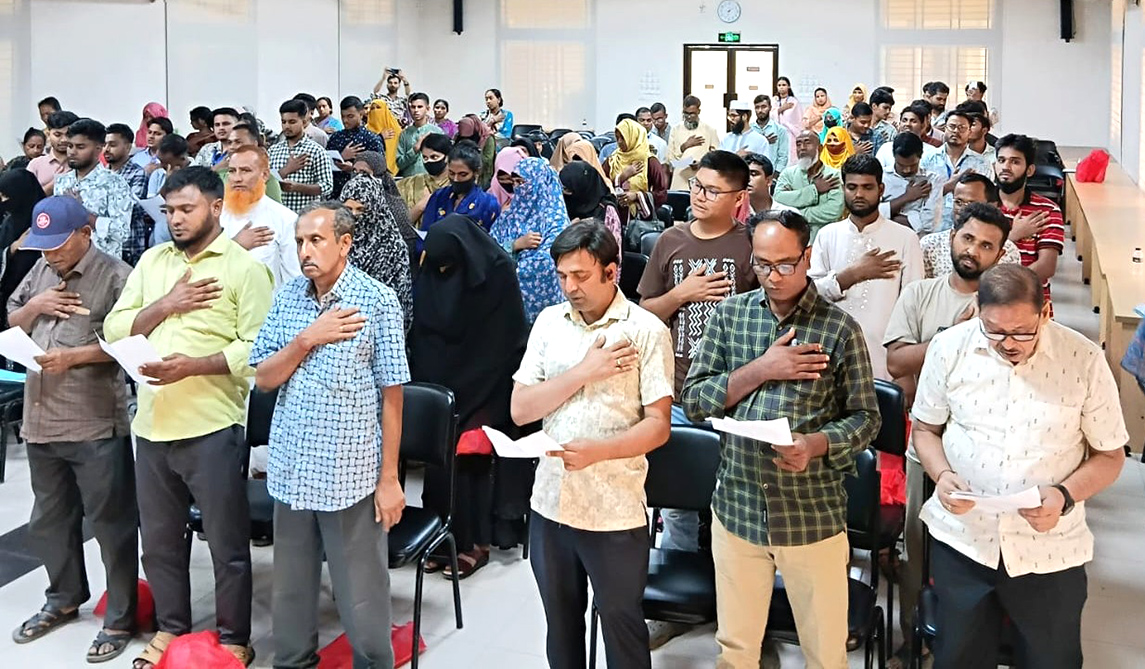
The anti-corruption pledges taken at the end of the meetings symbolized more than a commitment by individual participants. They reflected a shared belief that lasting change depends on citizens who are willing to act together in pursuit of transparency, accountability, and good governance. In that sense, the meetings were not an endpoint. They were another step in a continuing nationwide effort to build a more accountable and citizen-centered Bangladesh.