Published: 19 May 2026
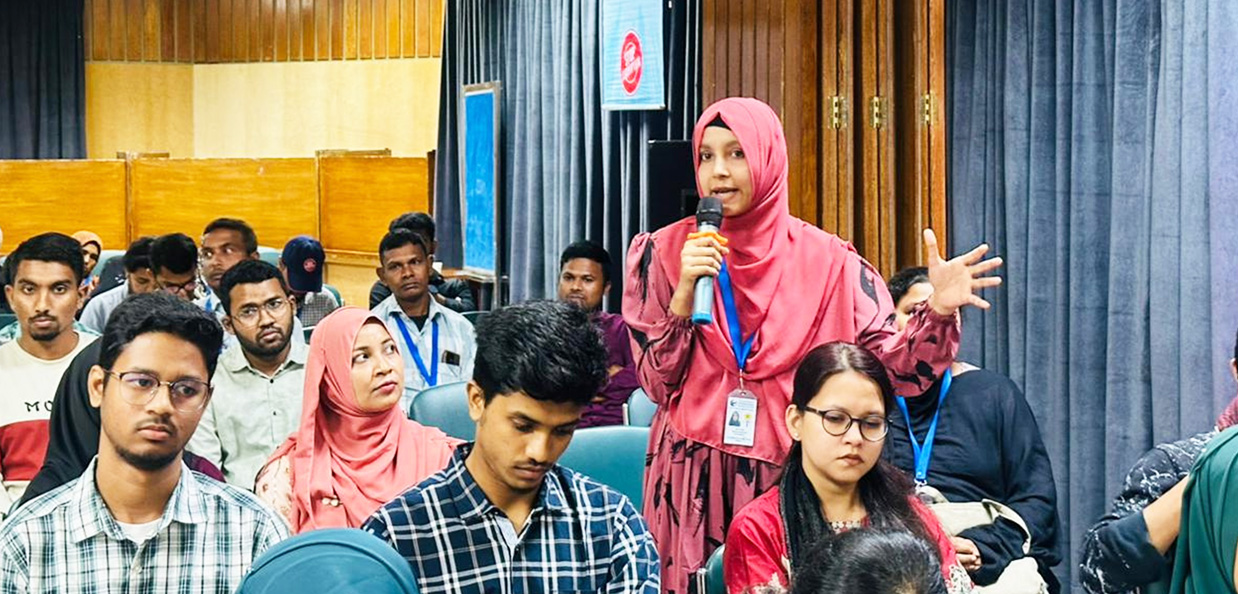
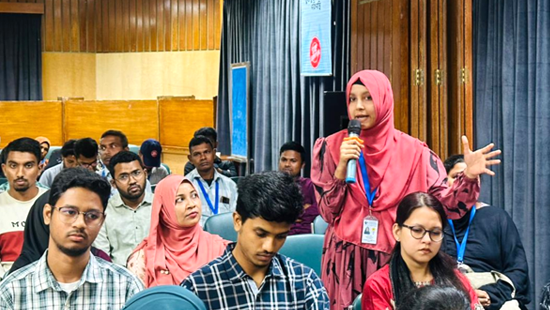
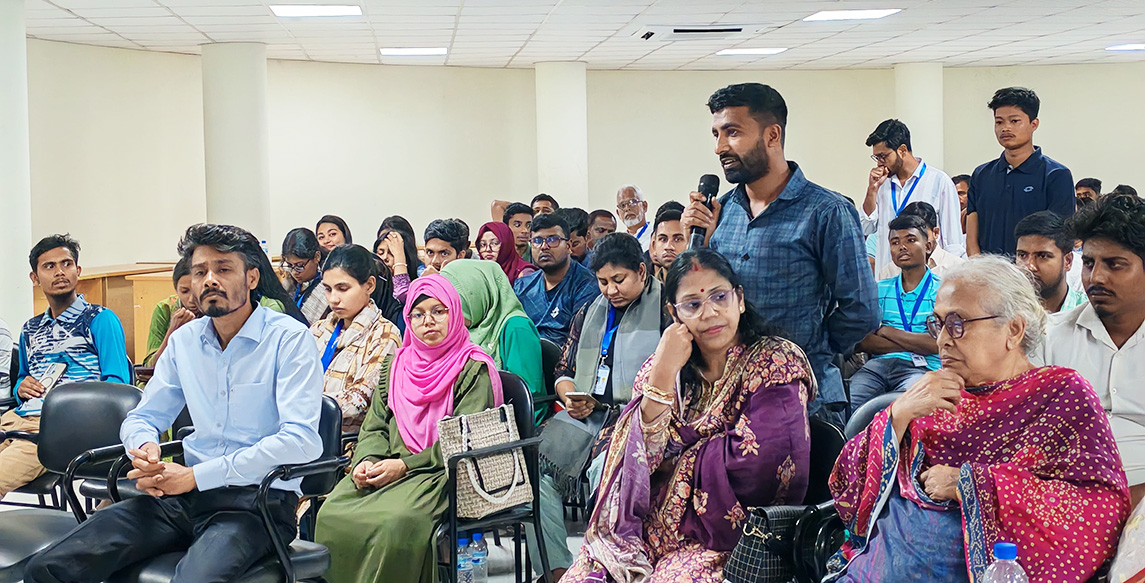
Anti-corruption movement in Bangladesh has always faced a version of the same problem: how do you keep volunteers motivated, networks alive, and communities engaged when the work is slow, unspectacular, and largely invisible to the public? The Committees of Concerned Citizens (CCC) attempted to answer that question across two consecutive days last April, gathering hundreds of activists and civil society actors in Rangpur and Bogura for meetings that were less about reporting progress and more about fortifying the will to continue.
Teachers, lawyers, youth workers, and community organisers representing the CCC, Youth Engagement and Support (YES) groups, and Active Citizens Groups (ACGs), came together to build the shared commitment that makes breakthroughs possible later.
Reaching beyond the existing network
What emerged from both sessions was a clear strategic consensus. The movement cannot grow inward. Its real strength lies in its connections outward, to other civil society organisations and to communities still untouched by formal advocacy. Volunteers, participants agreed, are not a resource to be managed but the living core of the movement itself. Without them, the committees are letterheads. With them, they are a force.
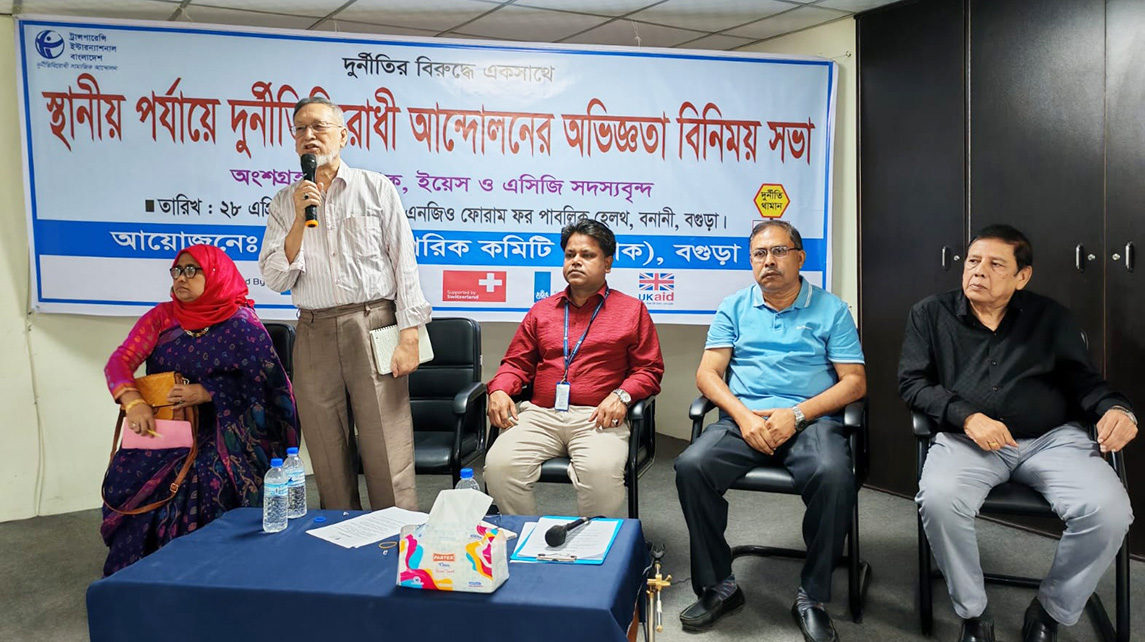
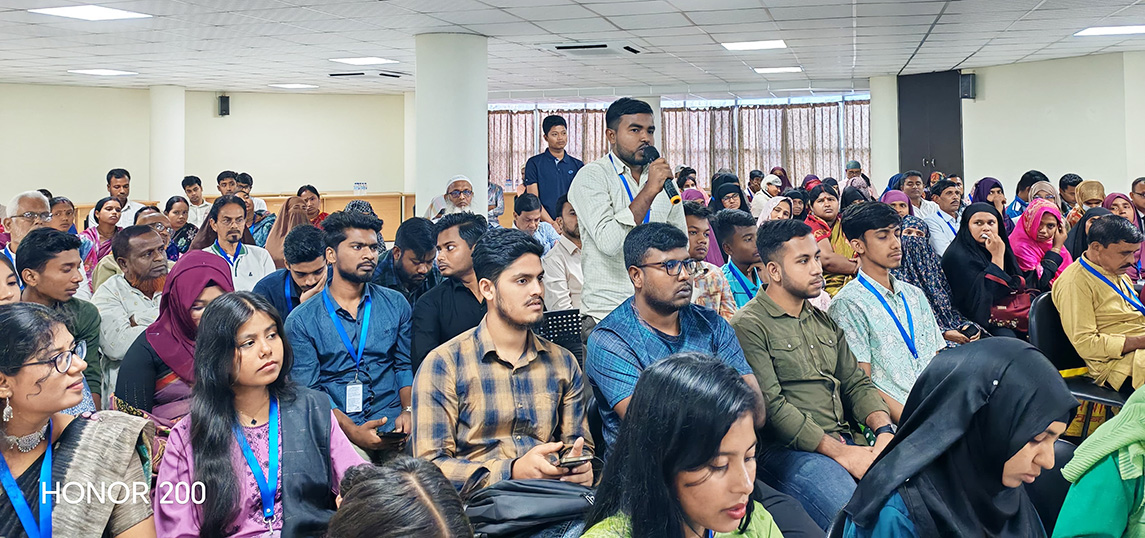
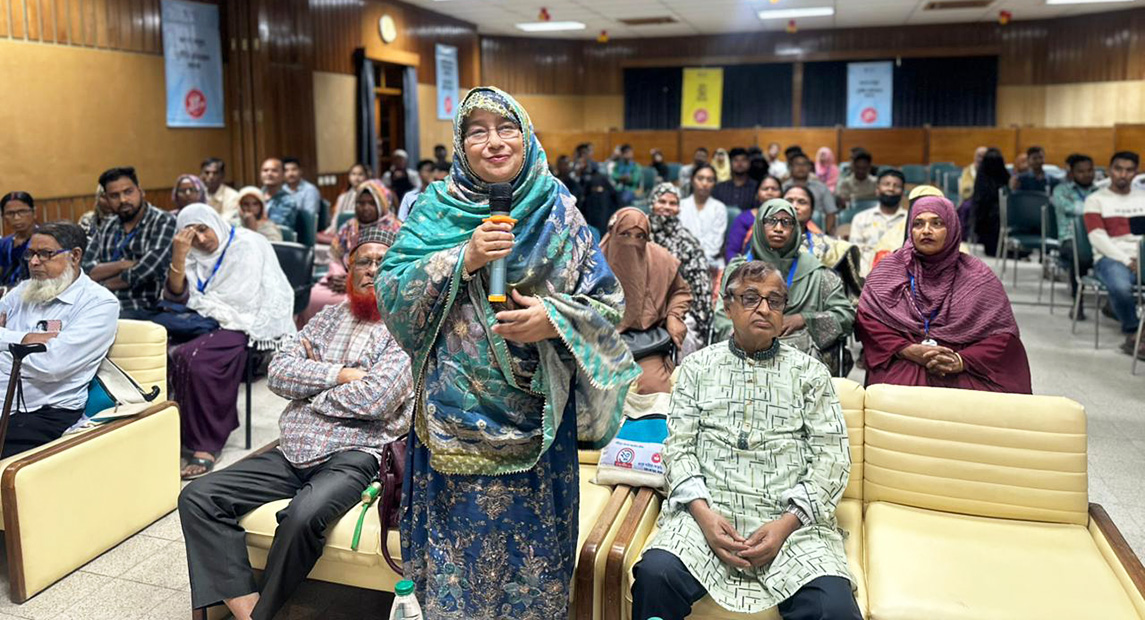
The logic was stated plainly across both sessions: a stronger local network builds credibility, credibility opens doors, and open doors mean wider reach. Engaging existing members more intensively matters, but so does pulling in organisations that have never yet encountered the anti-corruption cause. The two goals are not in competition. They are each other's condition. Area Coordinators in both cities gave frank accounts of their chapters' recent performance, including lessons from things that did not go as planned, a quality of candour that kept both rooms engaged across sessions that could easily have turned routine.
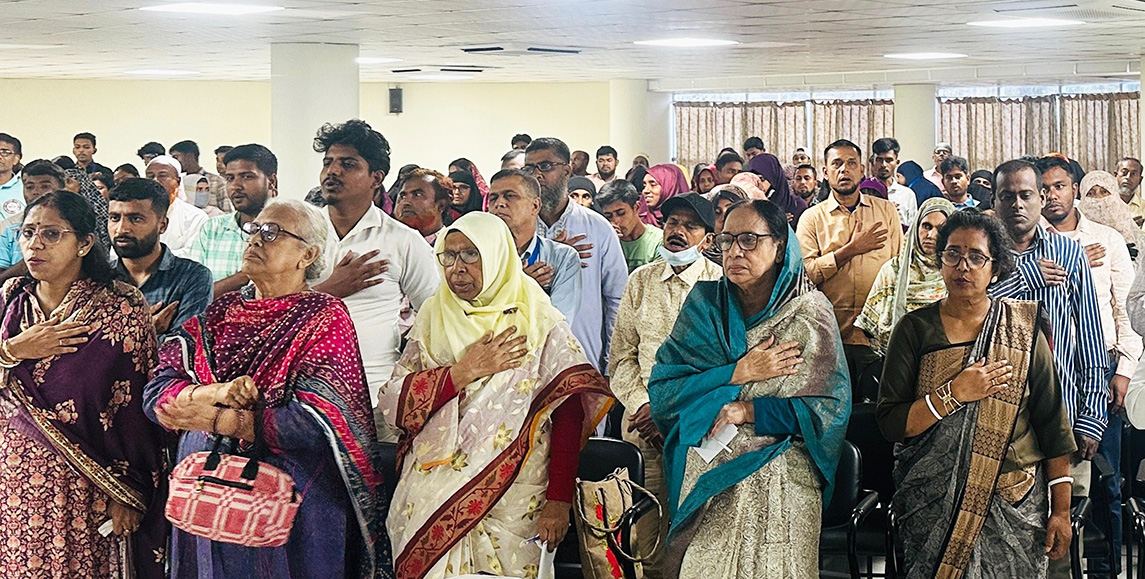
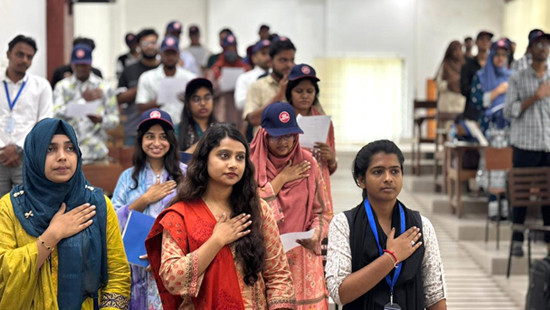
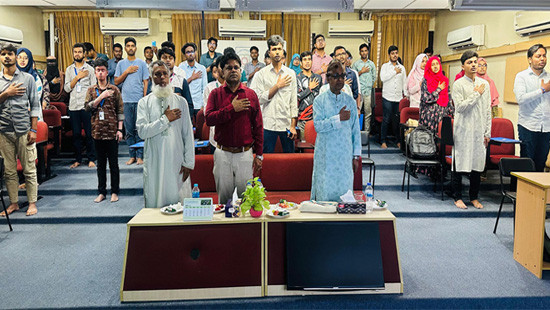
Every participant in Rangpur and Bogura stood together at the end of their respective sessions and took a collective anti-corruption oath. In a movement built on moral commitment rather than institutional authority, standing up in a room full of peers and making a public pledge carries a specific weight. Accountability made visible. The movement holding itself to its own standard. It was also a reminder that the CCC and its affiliated groups operate in a space where the only enforceable contract is the one people make with each other.
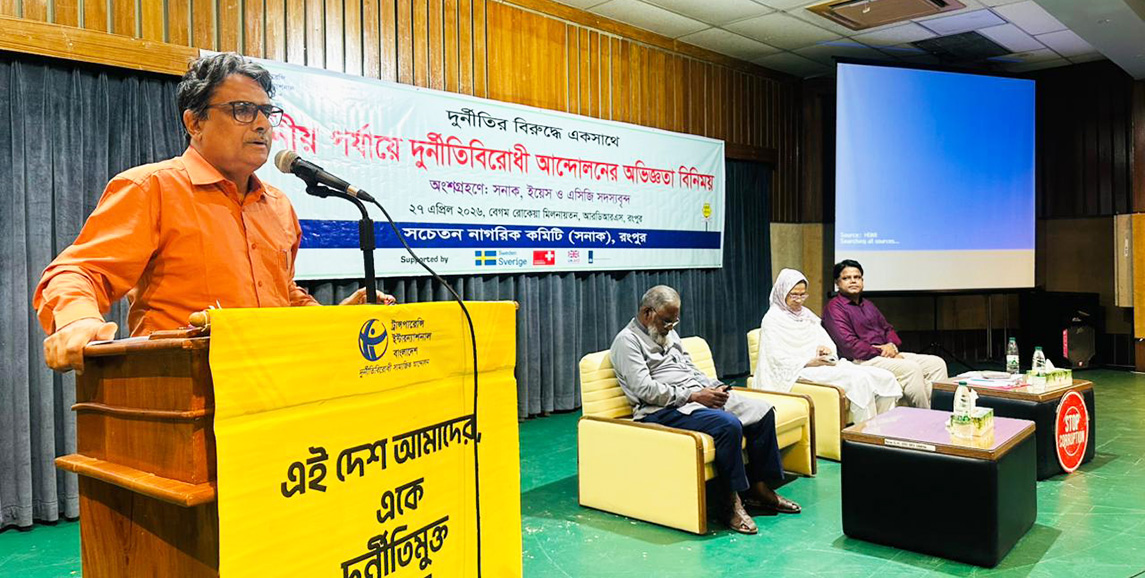
Voices from the grassroot, together against corruption
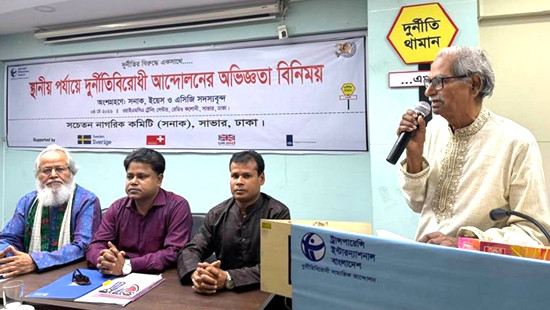
The Rangpur meeting at the Begum Rokeya Auditorium of RDRS Bangladesh on 27 April was presided over by Dr. Shasshata Bhattacharya, President of CCC Rangpur. Advocate Dilruba Rahman opened proceedings, while Md. Atikur Rahman, Coordinator of Civic Engagement at TIB, delivered the strategic address on volunteer networks. TIB's Cluster Coordinator outlined the core objectives. Vice President Md. Siddiqur Rahman, Professor Md. Shah Alam, and Nafisa Sultana also addressed the assembly before the CCC President administered the closing oath.
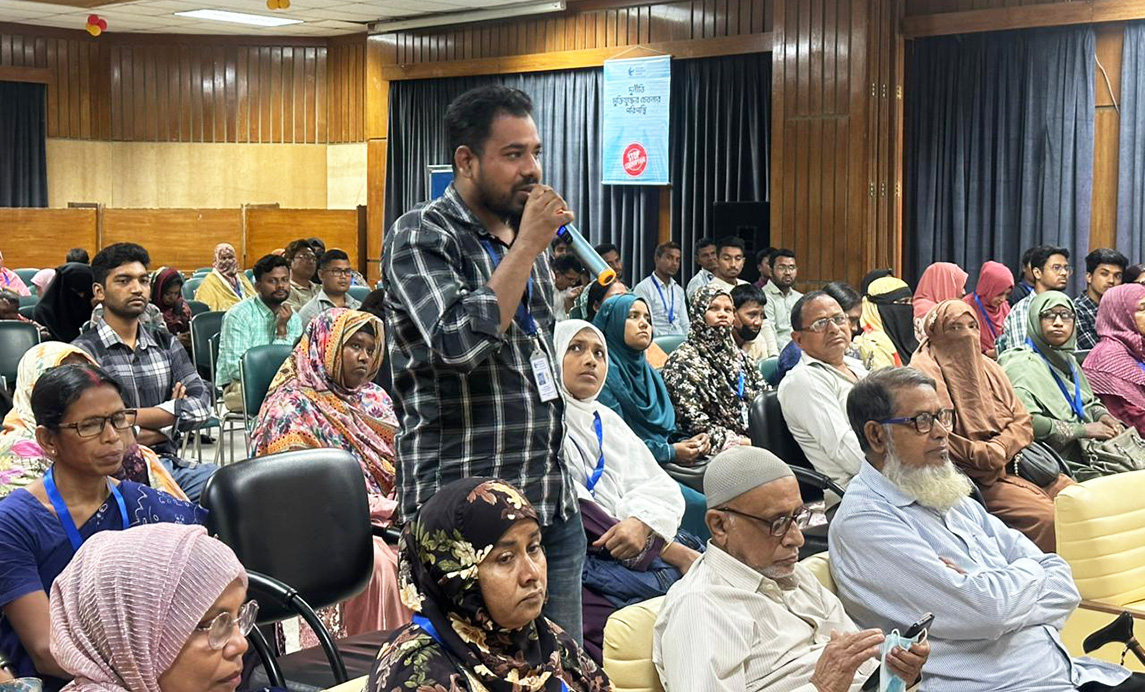
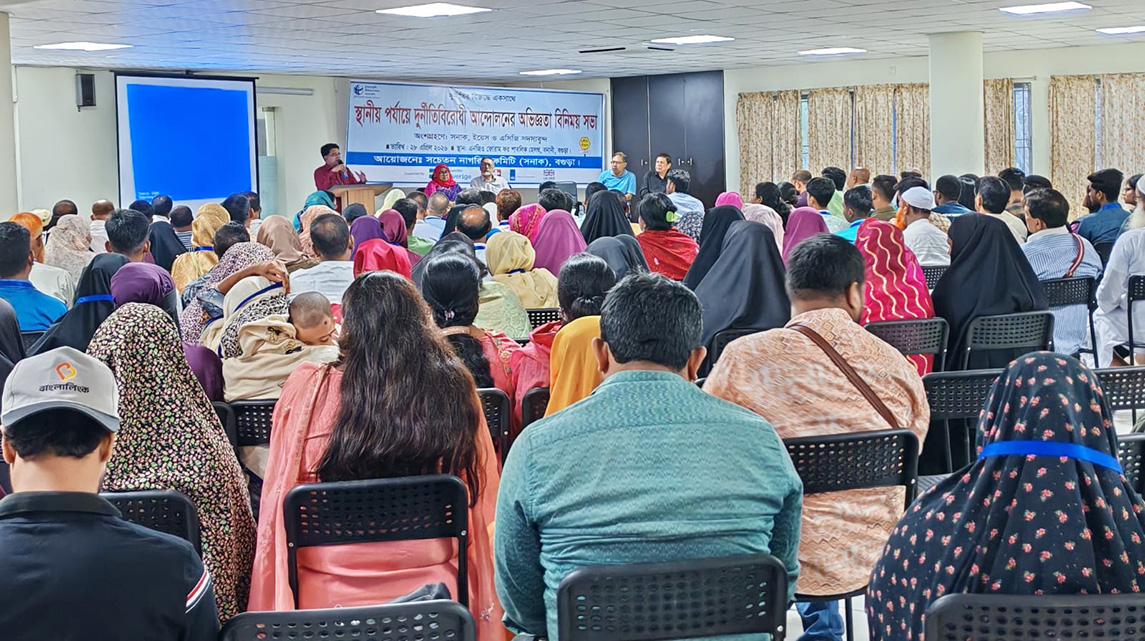
In Bogura on 28 April, Professor Md. Osman Ghani, President of CCC Bogura, chaired proceedings at the NGO Forum for Public Health auditorium. Md. Atikur Rahman returned to speak on civic networking and movement building. Vice President Milon Rahman, Professor Nasima Akhter, Ajit Kumar, Tapsi De, Masudar Rahman Helal, and Merajul Hasan Mondal addressed the need for deeper inter-organisational cooperation before the Area Coordinator presented the chapter's achievements and the session closed with the collective pledge.
Increased citizen engagement matters
Across both cities, participants left with something more concrete than inspiration. The meetings reinforced a belief that has driven the CCC and its affiliated groups from the beginning: that a transparent society does not emerge from institutions alone but from the persistent, volunteer-driven effort of people who have decided to hold their communities to a higher standard. Networking with like-minded organisations, deepening civic participation, and expanding the movement's geographic reach are not aspirational ideas here. They are the agreed-upon work. What Rangpur and Bogura demonstrated is that this work has enough believers, enough organisational infrastructure, and enough honest self-reflection to keep moving forward. The demand for integrity, as the gatherings made plain, is neither fragile nor confined to a single city. It is a shared mission, and it is far from finished.