Published: 15 April 2026
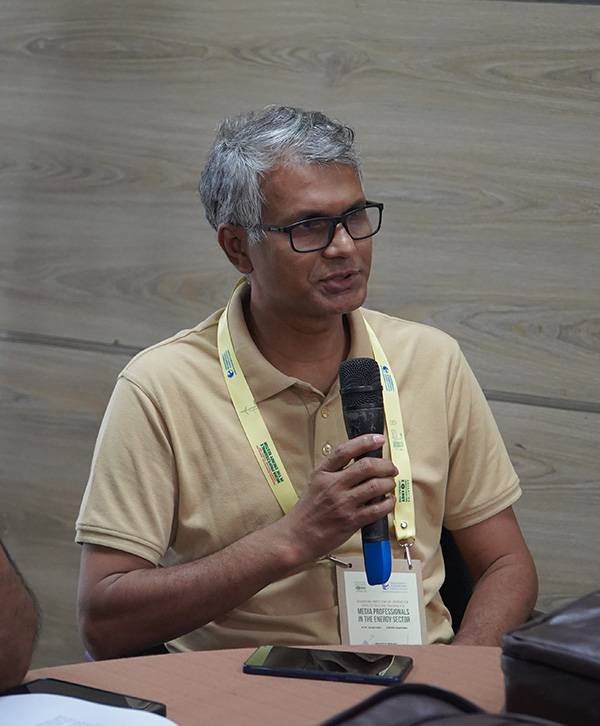
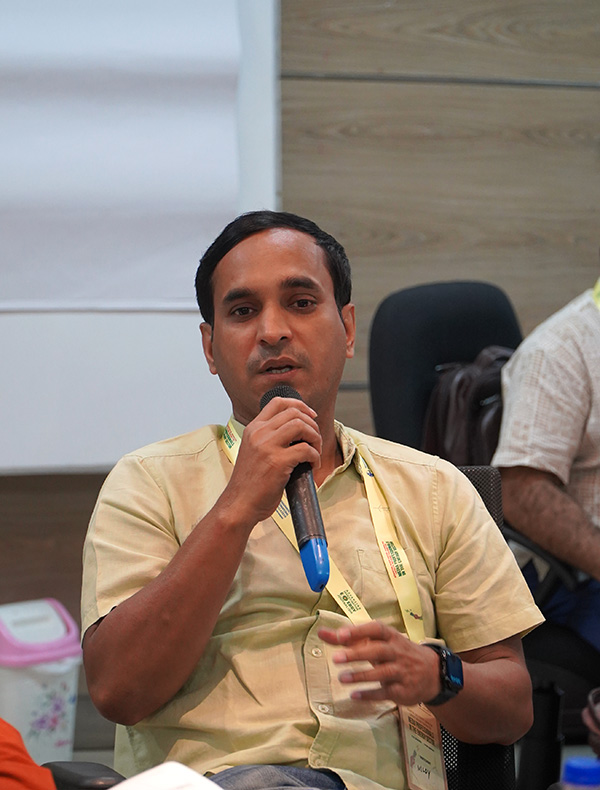
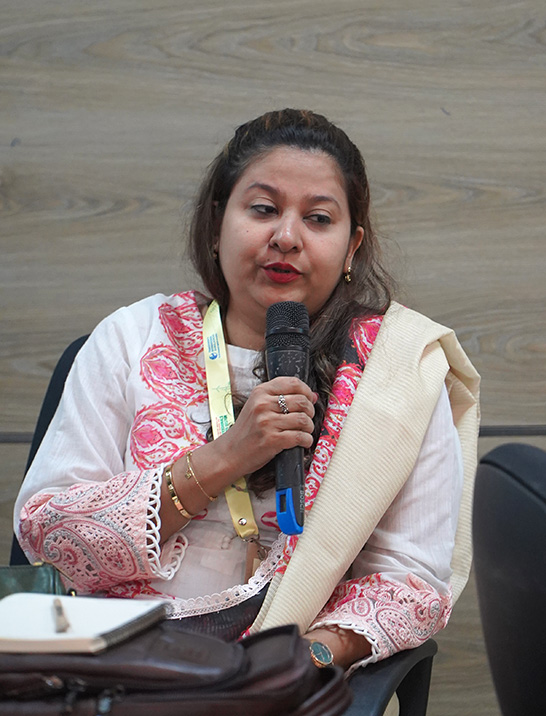
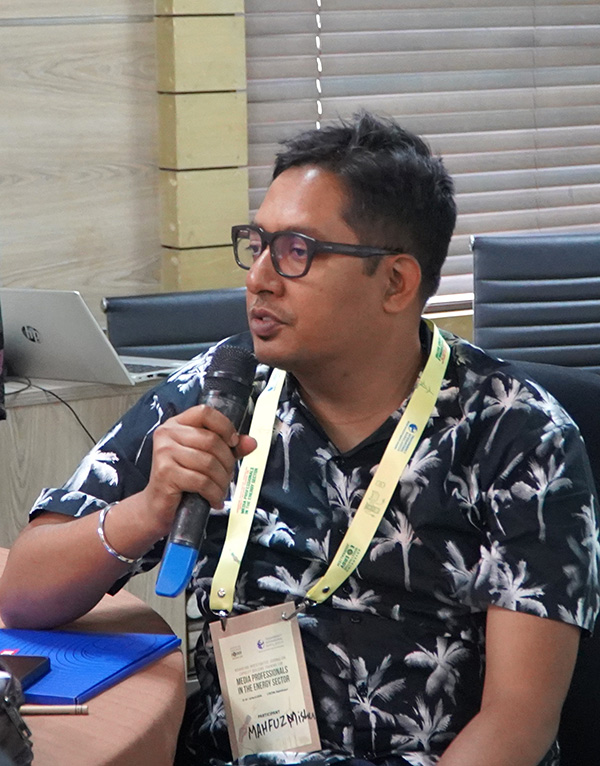
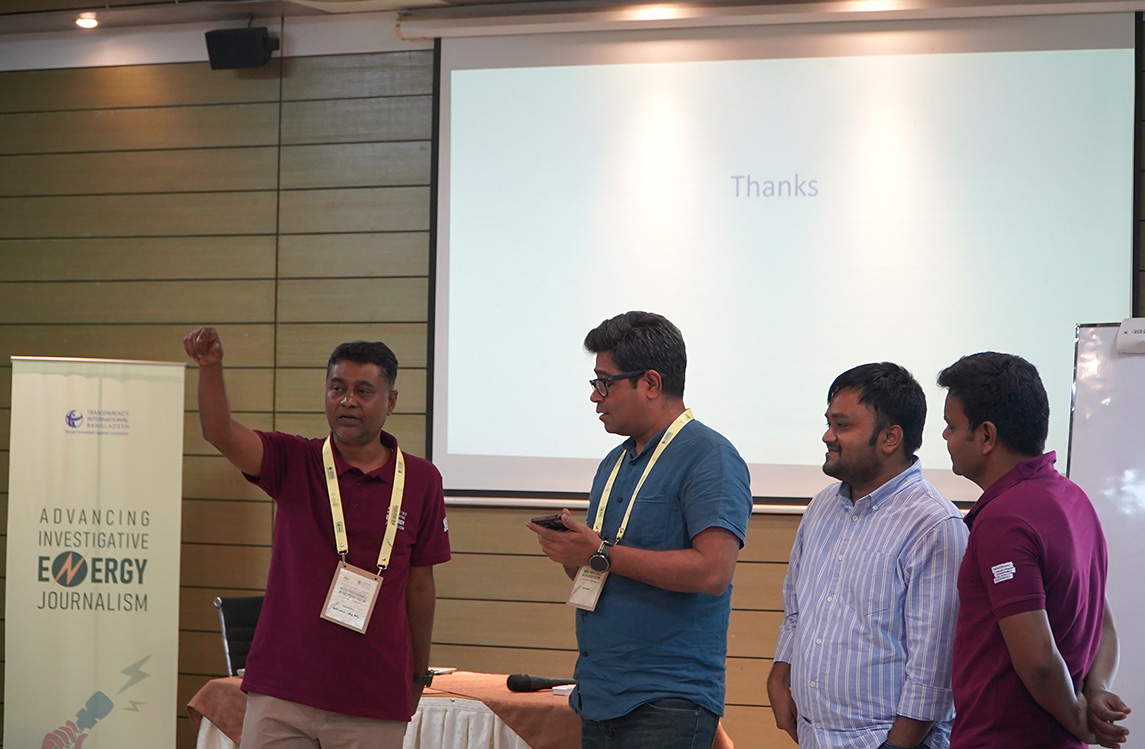
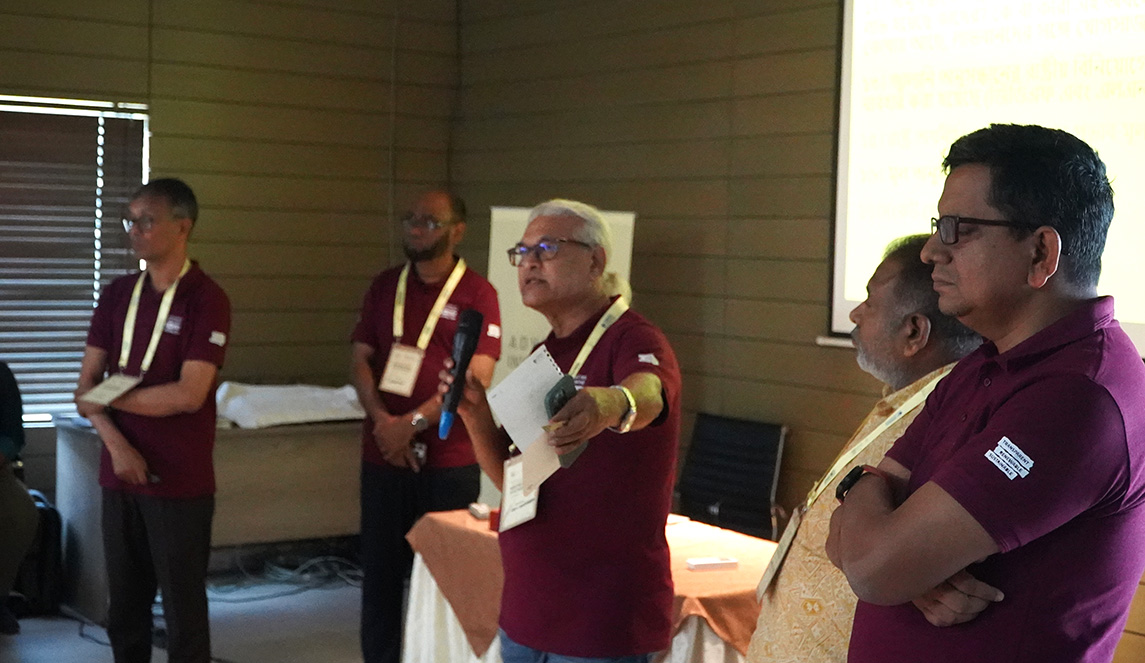
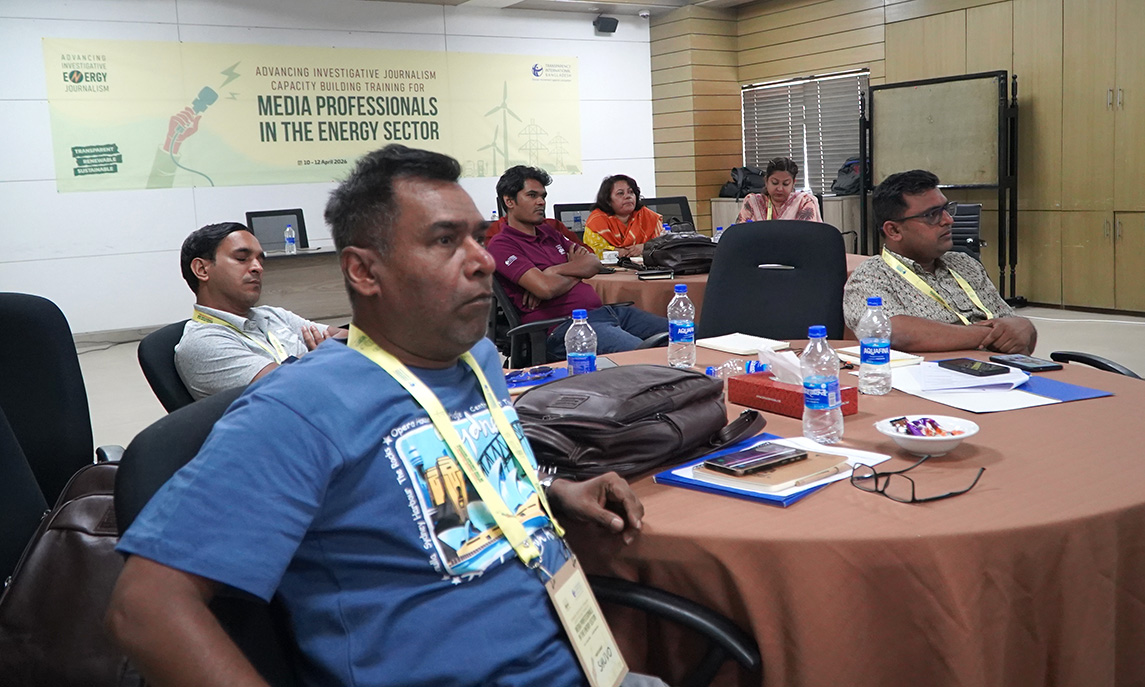
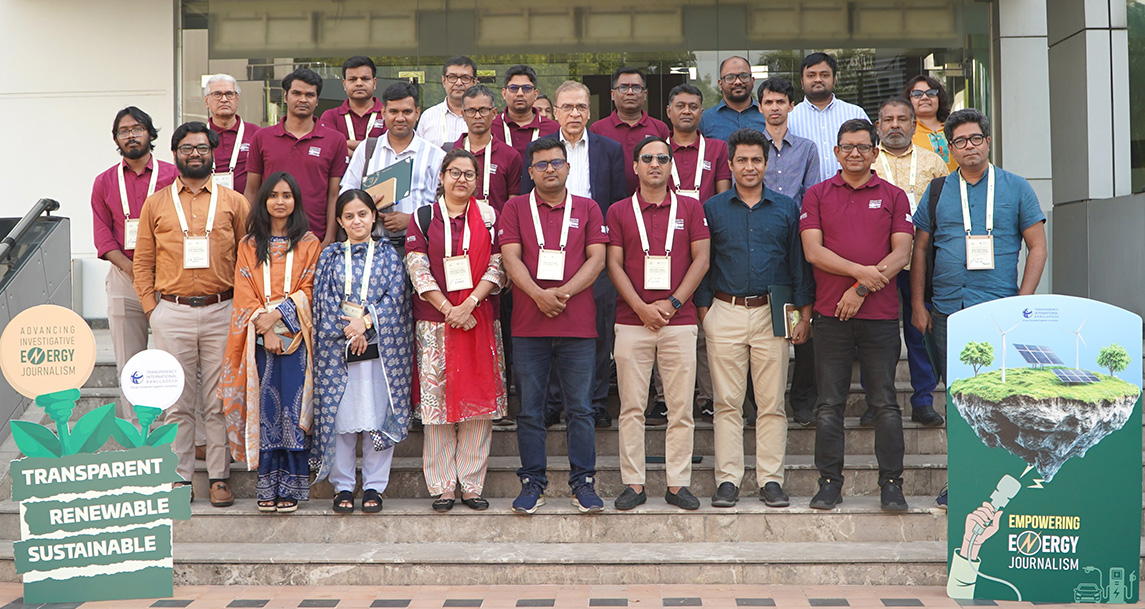
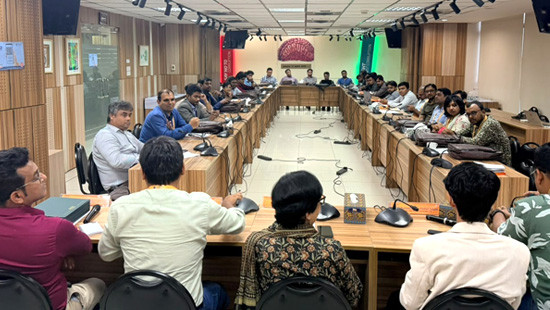
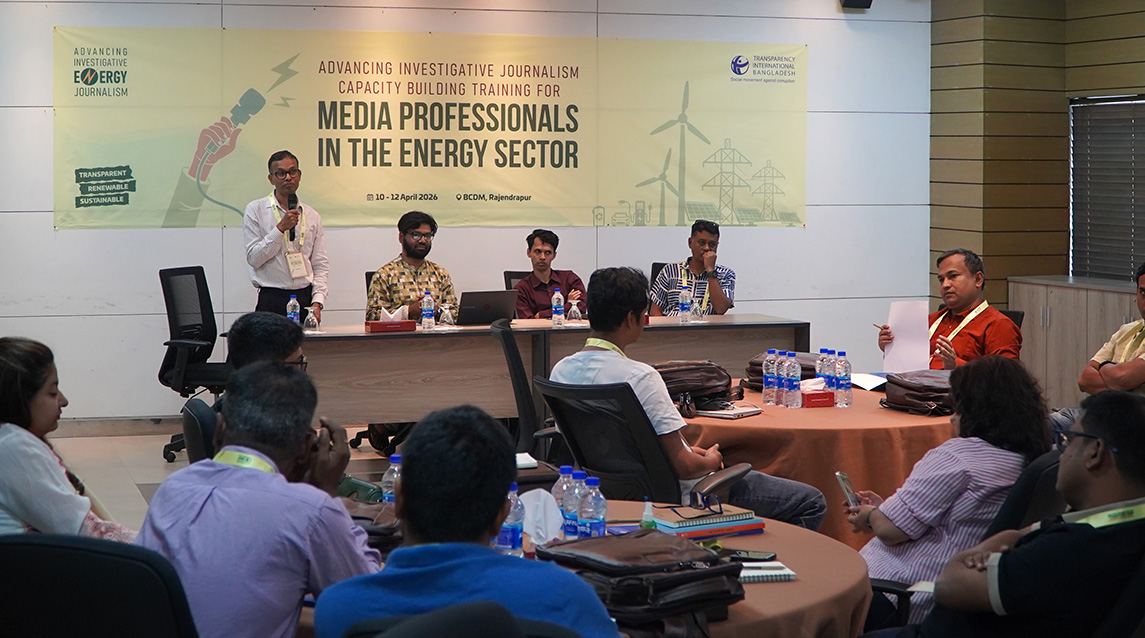
"We now feel that there are meaningful opportunities to explore and report on," says Md. Mahfuzur Rahman Mishu, special correspondent of Jamuna TV. After years of navigating Bangladesh's complex power and energy sectors, this seasoned journalist is ready to embrace a new chapter in energy reporting. His words captured a shared feeling among the 25 energy journalists who gathered in April 2026 for a three-day residential training workshop jointly organized by Transparency International Bangladesh (TIB) and the Forum for Energy Reporters Bangladesh (FERB). The training brought together journalists from across the country with a clear and focused purpose to help them critically analyze energy policy frameworks, track irregularities and corruption in key projects, and report more confidently on renewable energy in the public interest.
The initiative reflected a conviction that robust, fact-based journalism is not just a professional pursuit but a meaningful instrument for ensuring good governance in one of the country's most critical sectors. As Md. Newazul Moula, Coordinator of Energy Governance at TIB, explained, journalists have been reporting on corruption in the energy sector for over two decades. This training sought to bring those issues forward in a more structured and investigative manner while also exploring how journalism can actively contribute to promoting renewable energy in the context of Bangladesh's ongoing energy crisis. Mohammad Tauhidul Islam, Director of Outreach and Communication at TIB, set the tone from the very start when he encouraged participants not simply to receive new information but to look again at what they already knew with greater curiosity and fresh eyes. "We expect participants to revisit what they have learned so far, approach it with a fresh perspective, and try to understand it in new and different ways," he said.
One of the more reflective moments of the training came from Jannatul Ferdushy Sova, senior reporter of Deshkal News, who shared an honest observation that many of her peers could relate to. "Many of the concepts discussed were familiar, yet often overlooked in practice. We frequently rely on documents without pursuing further investigation. This training has inspired us to go beyond that and produce better, more in-depth, and quality investigative reports." Her reflection pointed to an opportunity that the training was specifically designed to open up: the chance to move from surface-level coverage toward reporting that goes deeper into the systems and decisions that shape Bangladesh's energy sector.
That opportunity began to take practical shape through a session facilitated by Mohammad Tauhidul Islam on data journalism in the power and energy sector. The session provided participants with an introduction to reliable data sources, key reporting areas, and effective data collection and usage methods. An energy data dashboard was presented as a hands-on tool to support this work, alongside e-procurement monitoring tools that allow journalists to track and flag irregularities in public procurement with greater precision. For Md. Mohiuddin Niloy, senior reporter of Prothom Alo, the session addressed something he had long been looking for. "Our primary interest was in data journalism, and we had expected a stronger focus on data journalism-related aspects. This training has helped us better understand those areas," he said. The combination of data access and analytical tools gave participants a more concrete foundation for the kind of investigative work the sector demands.
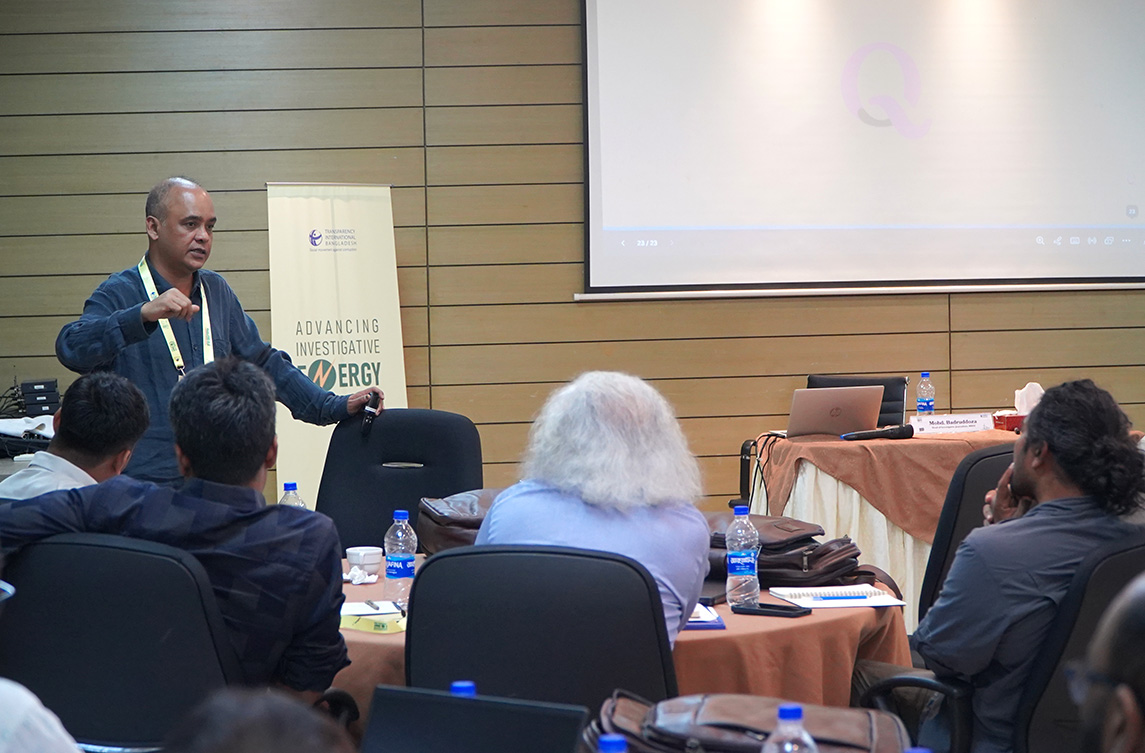
Building on that foundation, Md. Badruddoza, who leads investigative journalism at the Media and Resources Development Initiative (MRDI), walked participants through the practical landscape of investigative journalism in the energy sector. His session focused on governance risks and the specific challenges journalists face when reporting on renewable energy, including limited access to information and institutional resistance. Rather than offering only theoretical frameworks, he provided tools and approaches that participants could bring directly into their daily reporting. The session was grounded in an understanding that the most useful training is one that meets journalists where they are and helps them take the next concrete step forward.
Complementing the investigative methodology, Md. Newazul Moula led a session that helped participants understand the structural reasons behind Bangladesh's slow progress on renewable energy. Policy inconsistencies, weak implementation, and deep-rooted corruption, as participants came to see more clearly, are not simply separate problems. They form a connected pattern that sustains the status quo and keeps the energy transition from moving at the pace it should. Understanding this pattern helps journalists ask more focused questions and look in more productive directions, turning individual stories into part of a larger and more meaningful body of reporting.
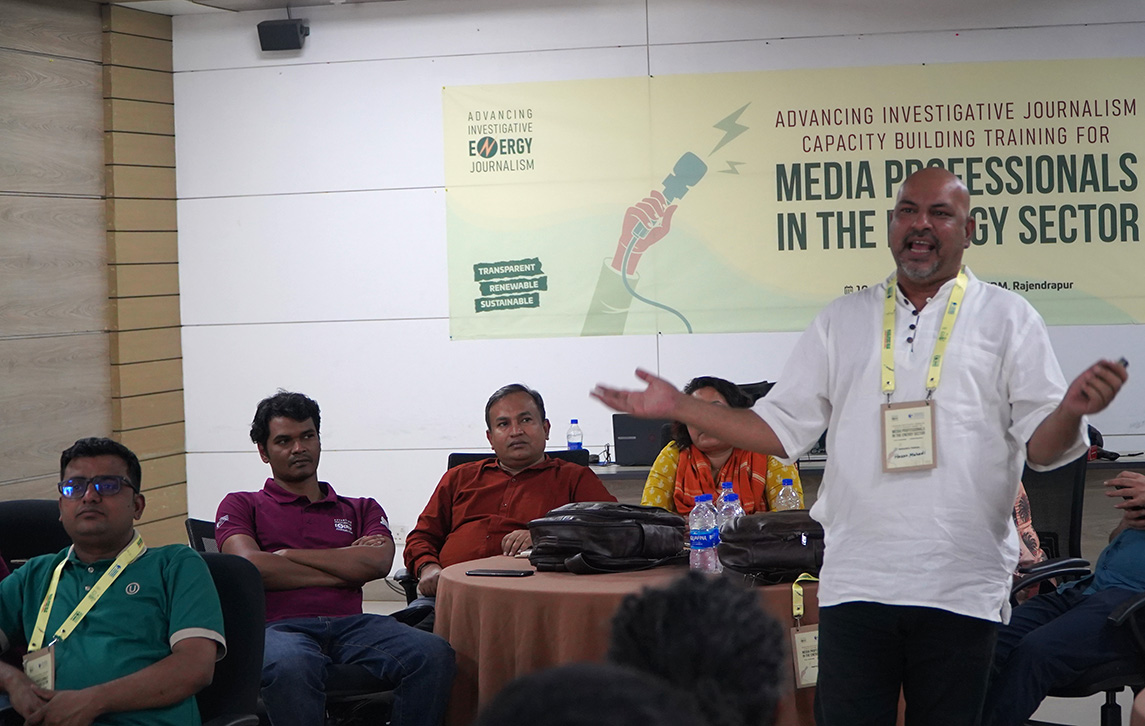
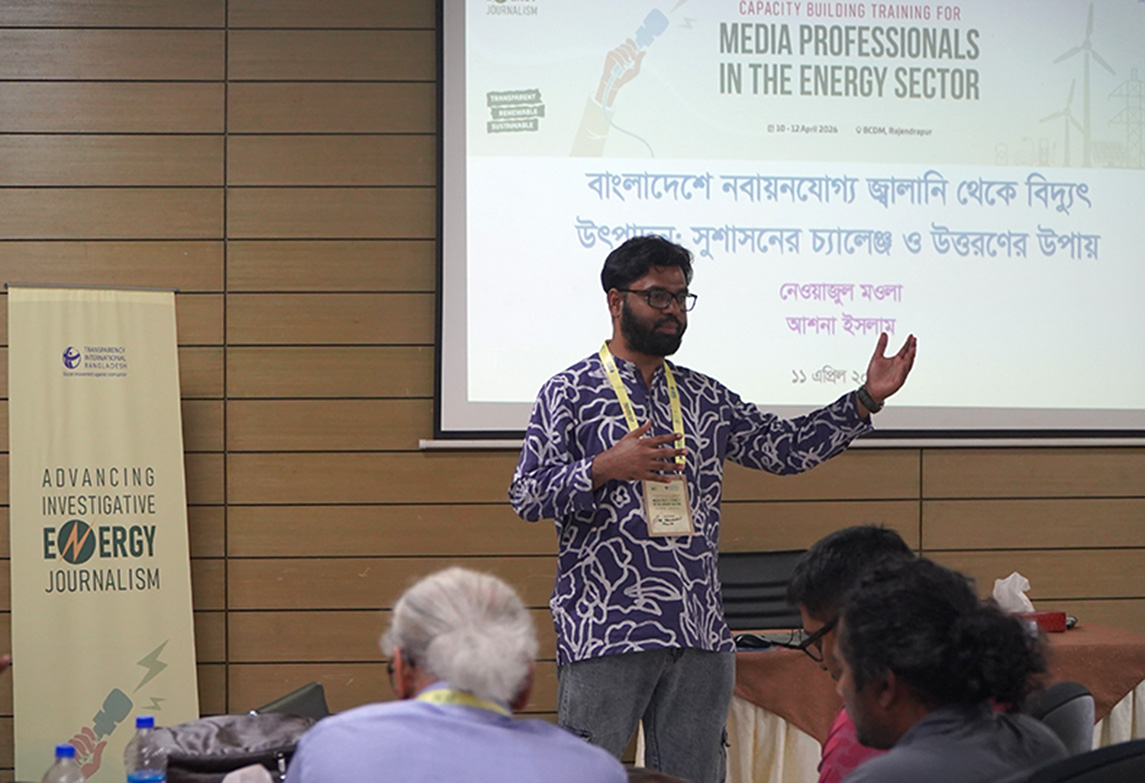
Hasan Mehedi, Chief Executive of the Coastal Livelihood and Environmental Action Network (CLEAN), extended that understanding by situating Bangladesh's energy challenges within a global context. He explored worldwide energy demand trends, the continued dominance of fossil fuels across many markets, and the expanding role of renewable energy in other countries. He also examined the economic potential of rooftop solar for both residential and industrial users in Bangladesh, as well as the largely untapped opportunities in net metering. Seen alongside global developments, Bangladesh's renewable energy situation becomes a story not of absence but of unrealized potential, particularly in areas such as solar and wind energy, and that is a distinction that provides journalists a stronger and more specific angle from which to hold decision-makers to account.
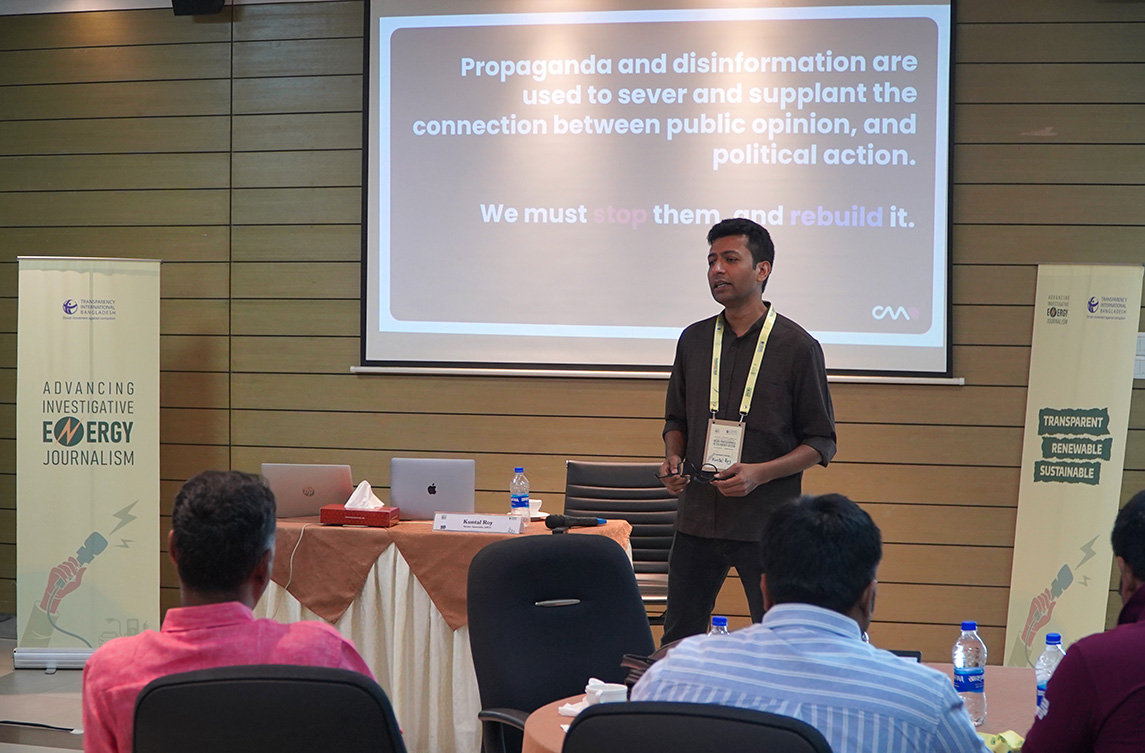
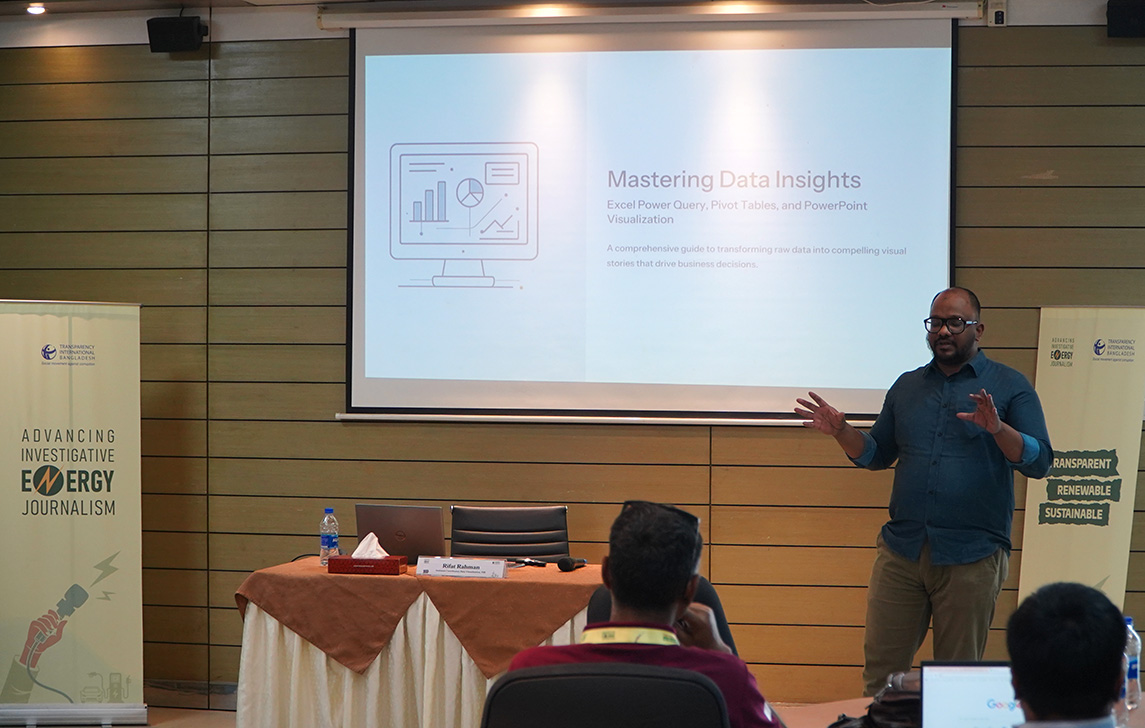
Alongside the sectoral knowledge and investigative tools, participants also worked through the information environment they operate in. Kuntal Roy, Senior Associate for Information Integrity and Anti-Disinformation at the Global Strategic Communications Council (GSCC), led a session on misinformation and disinformation in energy sector reporting, examining how vested interests shape public narratives around both fossil fuels and renewable energy. Participants came to understand that protecting the integrity of their reporting is not a secondary consideration. It is an essential part of the job, because misleading narratives promoted by powerful interests can quietly reduce the impact of even the most carefully researched investigation. Rifat Rahman, Assistant Coordinator for Outreach and Communication at TIB, followed with a session on data analysis tools and visualization techniques, giving participants the practical skills to present complex energy information in ways that are clear, accessible, and meaningful to general audiences. Together, these sessions reinforced the broader ambition of the training: to equip journalists not only with knowledge but also with the confidence and capability to shape informed public conversation around Bangladesh's energy future.
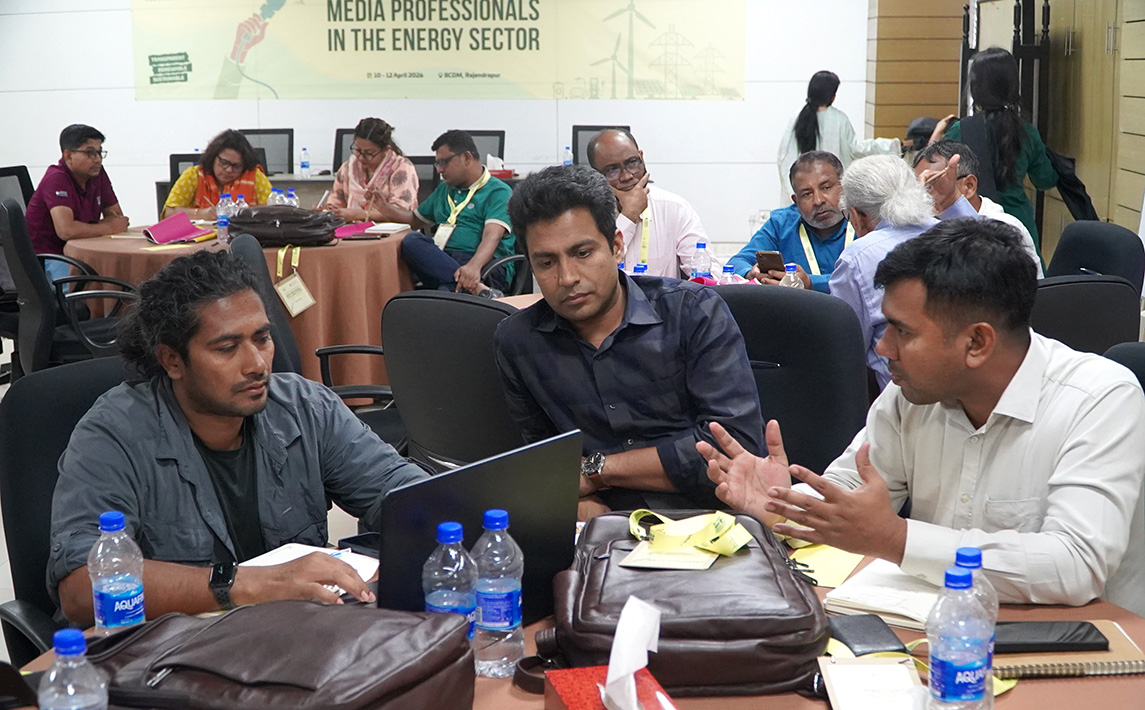
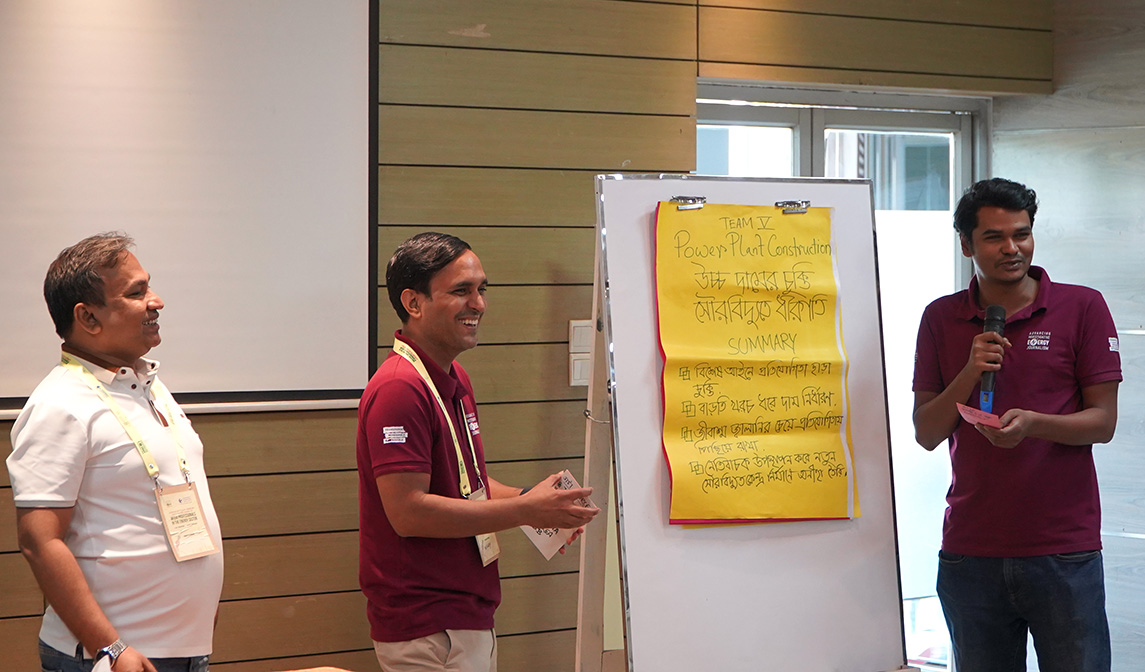
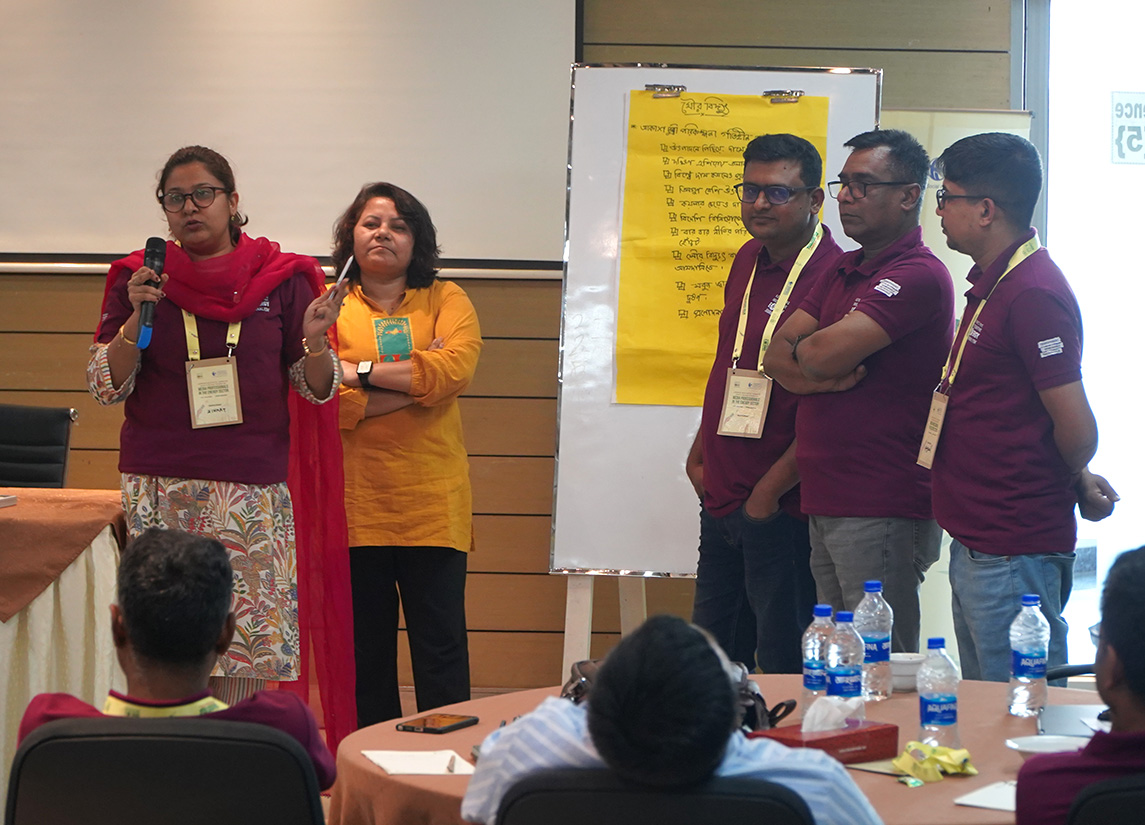
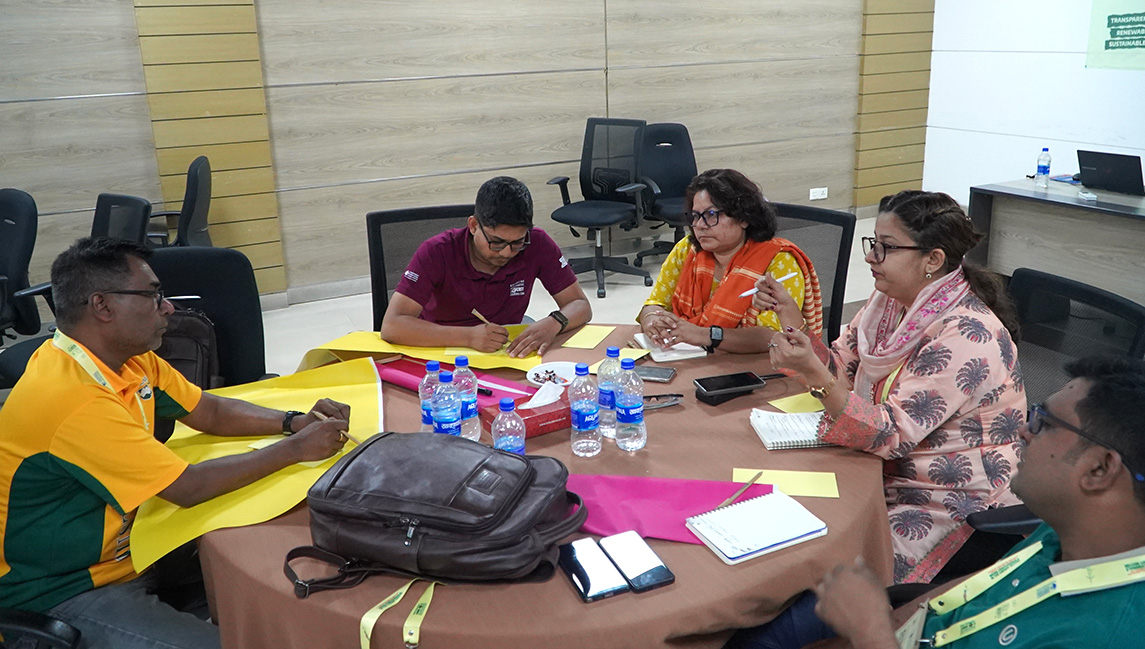
When participants came together to present their investigative action plans in thematic groups covering fossil fuels, renewable energy, energy exploration and extraction, power and energy import, and power plant construction, what emerged was a set of well-considered, evidence-oriented proposals that reflected genuine engagement with everything the training had offered. One group identified the opacity surrounding import-based energy deals as a priority area for investigation. Another outlined a data-driven inquiry into the gap between rooftop solar targets and actual installations across the country. Each proposal showed that the skills and frameworks introduced during the training had already begun to take root in how participants thought about their beat and their responsibility to the public.
Bangladesh's power and energy sector has long been one of the most important and least examined areas of public life in the country. Powerful fossil fuel interests, unclear energy contracts, and limited competition in bidding have all made it harder for journalists and citizens alike to understand how decisions in this sector are made and who benefits from them. Dr. Iftekharuzzaman, Executive Director of TIB, addressed this directly when he noted that policy capture by the fossil fuel lobby is among the key reasons Bangladesh's energy transition is moving more slowly than expected. "The most effective force to counter this situation is the media," he said. "The more evidence-based investigative reporting we see, the stronger the prospects for ensuring transparency and accountability." He also expressed that "journalists are vital partners in the fight against corruption; even a small contribution to enhancing your skills is a significant achievement for us." Sherajul Islam Siraj, Executive Director of FERB, and Hasan Azad, Vice Chairman of FERB, echoed that appreciation and expressed their interest in building on this initiative with more comprehensive programs in the future.
As the training concluded and participants returned to their newsrooms, Mishu's words from the opening carried a meaning that had only grown over the course of three days. He had arrived with years of experience in the sector and left with a clearer sense of what renewable energy reporting can look like when it is grounded in data, structured investigation, and a solid understanding of the forces shaping the sector. The journalists who took part in this training left not only with sharper tools but also with a stronger sense of why those tools matter and what they can help achieve.