Published: 07 December 2024
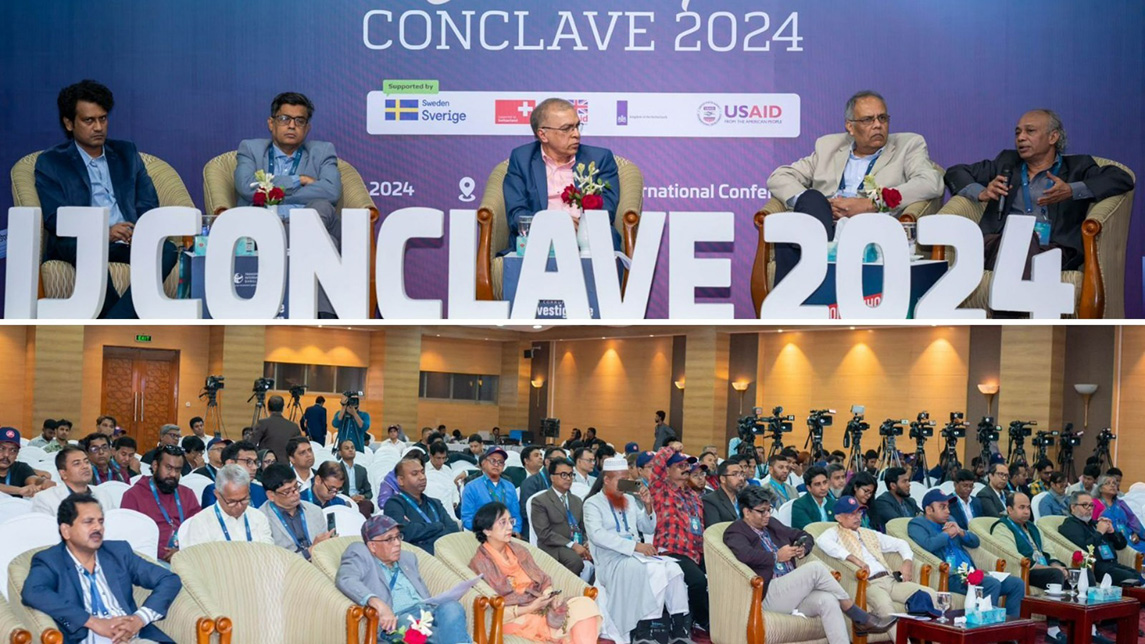
Speakers at the ‘Investigative Journalism Awards (IJA) 2024’ and the first-ever Journalists Conclave highlighted the importance of journalism focused on public interest and the freedom of the press in building a ‘New Bangladesh’. They advocated for the institutionalization of media and spoke against political interference to guarantee an independent and equitable journalistic environment.
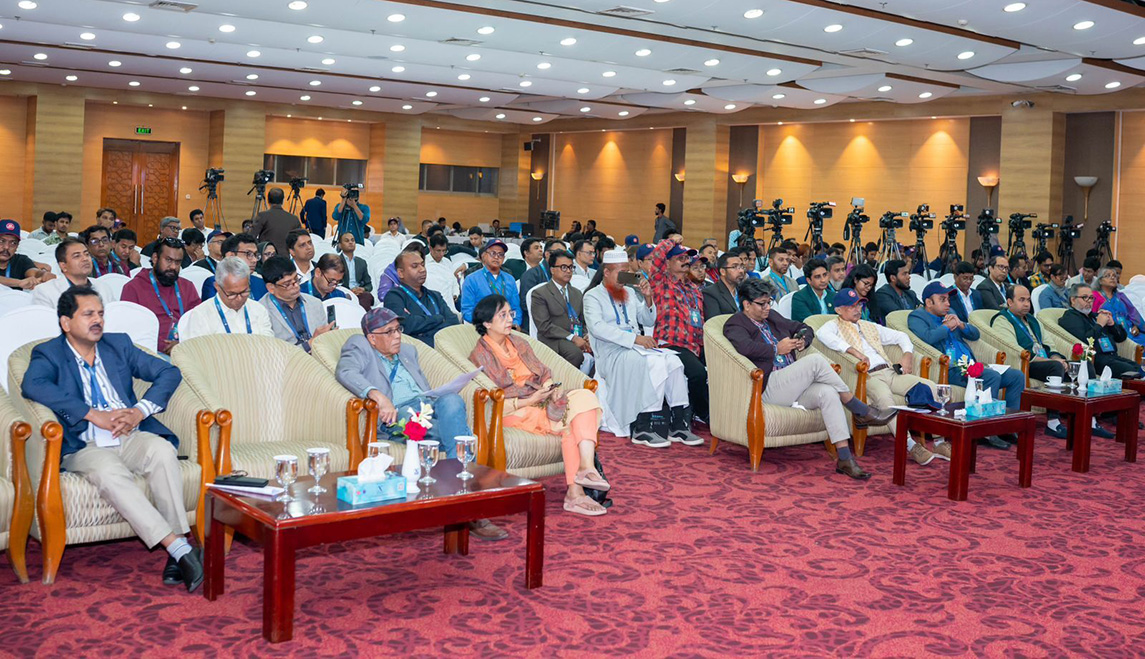
The maiden Investigative Journalism Conclave, hosted by Transparency International Bangladesh (TIB) at the BICC in the capital, united print and electronic media journalists, think tanks, academicians, and various stakeholders to discuss the challenges confronting investigative journalism and the aspirations for its future in a "New Bangladesh." The event celebrated a remarkable 25-year journey of the Investigative Journalism Awards (IJA), honoring journalistic excellence since 1999. Previous and present award recipients gathered at the conclave to champion the ongoing development of investigative journalism.
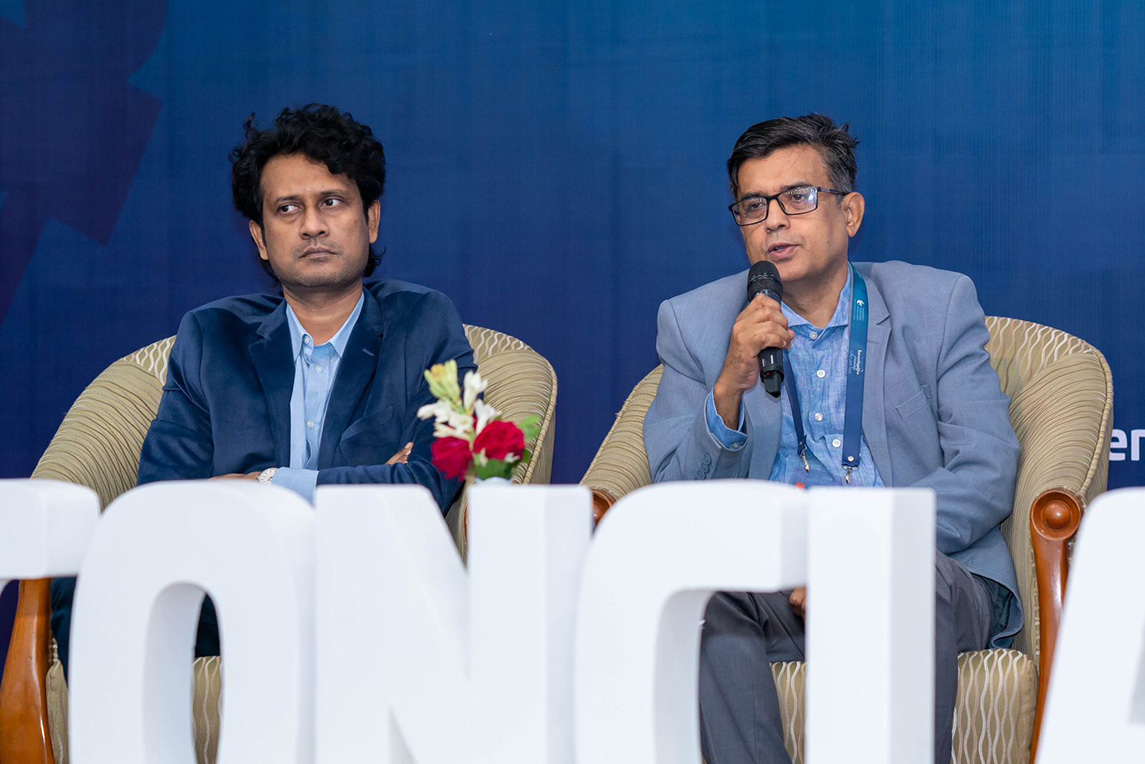
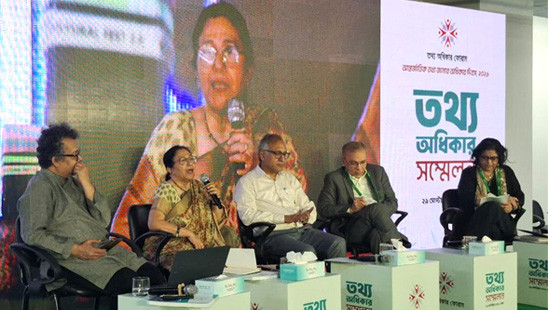
Prior to the announcement of this year’s IJA winners, two engaging panel discussions took place. These discussions shed light on various pressing topics, including the pressure on media outlets, declining investigative news quality, the rise of self-censorship, combating disinformation, ensuring the free flow of information, overcoming challenges in investigative journalism, safeguarding journalists, and fostering an environment for ethical and impactful reporting. The morning session delved into the present landscape of investigative journalism in Bangladesh, whereas the afternoon session, led by TIB Executive Director Dr. Iftekharuzzaman, centered on aspirations for journalism in the "New Bangladesh."
Dr. Iftekharuzzaman stated that, "It is indeed a fact that the media continues to face pressure." Nonetheless, if media organizations fail to focus on the needs of public interest, this scenario will remain unchanged. The highest levels of media leadership must maintain editorial integrity, guaranteeing that shifts in the political landscape do not sway their decisions. The quality of journalism has certainly seen a notable improvement today. Thus, our aim is to emphasize the uplifting possibilities of journalism in the 'New Bangladesh.' We do not want to lose hope”.
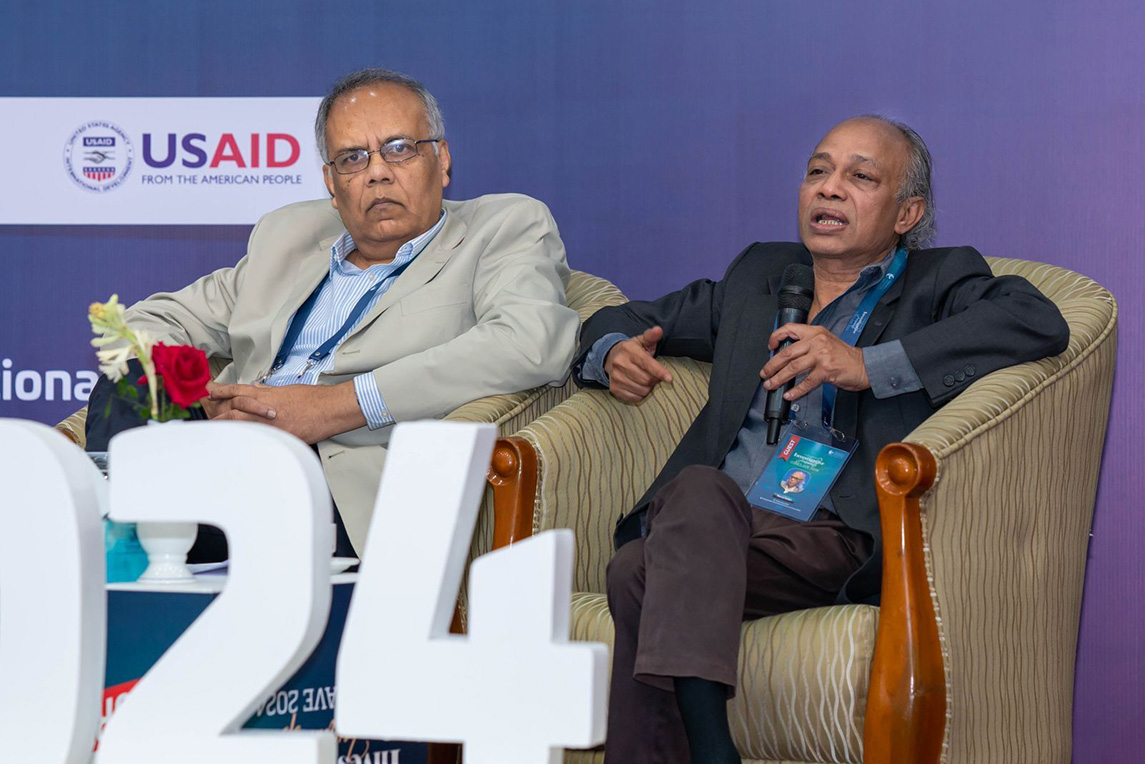
The Chief Adviser’s Press Secretary, Shafiqul Alam, pointed out the differences between the former administration and the current interim government, stating, "In the past, law enforcement agencies were heavily utilized to manage the media. The interim government emphasizes the importance of media freedom, and we trust that future political entities will not hinder this freedom”.
Kamal Ahmed, Head of the Media Reformation Commission, emphasized the importance of editorial independence: "We have consistently observed a disregard for editorial policies during the previous administration." It is essential to guarantee that, moving forward, the media remains independent from political pressures that could compromise the public good.
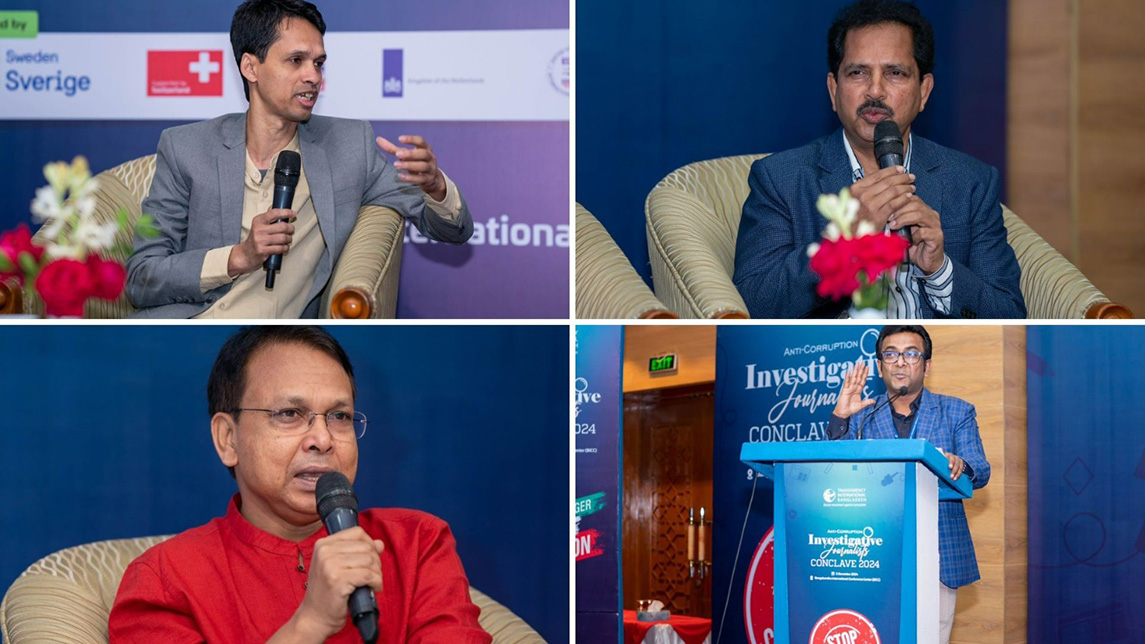
Nurul Kabir, Editor of New Age, stressed on the importance of equitable representation in media: "The media must ensure balanced representation and fairness, reflecting political history and promoting social justice." On one side, there is fear, and the desire to gain favor from political parties, on the other, lead to self-censorship. To overcome such a situation, media freedom must be institutionalized”.
Press Institute of Bangladesh (PIB) Director General Faruk Wasif underscored the importance of addressing misinformation: "The media should come forward has the responsibility to tackle disinformation and misinformation. This should be accomplished by the accurate information, reliable data, and comprehensive analysis.
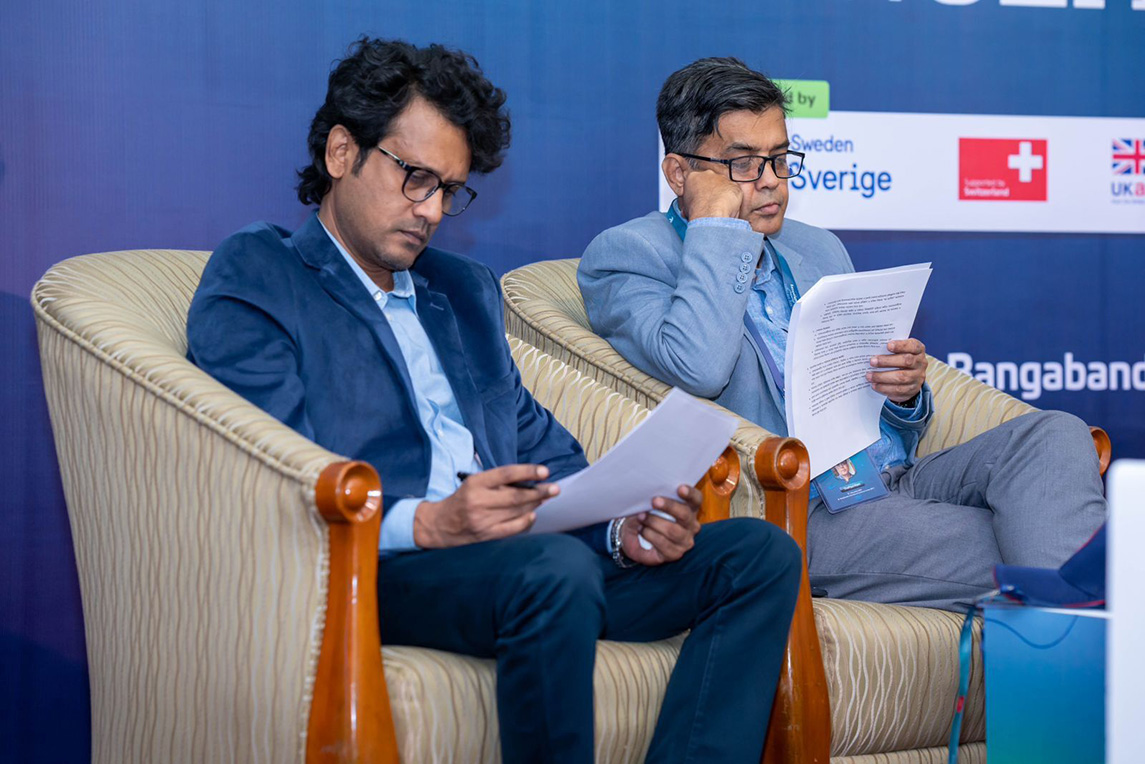
The event was started with a vibrant inaugural session, led by TIB Outreach and Communication Director Mohammad Tauhidul Islam, showcased insightful discussions from esteemed panelists such as Golam Murtoza, Press Minister at the Bangladesh Mission in Washington, USA; Mobinul Islam, Editor of Daily Gramer Kagoj; Mohammad Badruddoza, an investigative journalist and judge of the investigative journalism award; along with senior journalist Qurratul-Ain-Tahmina.
The panelists noted that despite the fall of the authoritarian government, self-censorship in media remains prevalent. They acknowledged some difficulties of investigative journalism and urged journalists, media organizations, and the government to foster an atmosphere that supports bold and meaningful reporting. Enhancing the economic base of media and improving journalists' expertise through focused training were emphasized for the progress of investigative journalism. The conclave wrapped up with a collective appeal for action, focusing on the establishment of a robust and independent media environment that prioritizes public interest and keeps democratic values.